
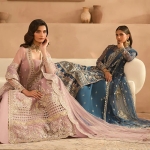

Pakistani fashion has a distinctive ability to combine cultural heritage with modern design. Traditional clothing carries generations of craftsmanship, regional influences, embroidery techniques, and familiar silhouettes, while contemporary fashion introduces new cuts, fabrics, colors, and styling approaches. Bringing these two influences together can create outfits that feel culturally connected while remaining relevant to modern wardrobes.
Finding the right balance does not require abandoning traditional elements or following every current trend. Instead, it involves understanding which classic features can be preserved and which contemporary details can be introduced to create a cohesive appearance.
Understand the Foundation of Traditional Pakistani Fashion
Before combining traditional and contemporary elements, it is useful to understand the foundation of Pakistani clothing. Classic garments such as the shalwar kameez, kurta, lehenga, gharara, sharara, and dupatta remain important parts of Pakistani fashion.
Traditional embroidery, decorative borders, handcrafted embellishments, regional motifs, and familiar fabrics also contribute to the cultural identity of these garments.
These elements can serve as the foundation of a modern outfit. Keeping one or two strong traditional features allows the clothing to retain its cultural character while leaving room for contemporary styling.
Experiment With Modern Silhouettes
One of the simplest ways to modernize traditional clothing is through the silhouette. A classic fabric or embroidery design can look completely different when incorporated into a contemporary cut.
Straight-cut shirts, asymmetrical hemlines, structured jackets, relaxed trousers, layered pieces, and modern kurtas can provide a contemporary feel without eliminating traditional influences.
For example, traditional embroidery can be incorporated into a clean, minimalist shirt rather than a heavily embellished traditional silhouette. This creates a connection between heritage and modern fashion.
Combine Traditional Embroidery With Simple Designs
Embroidery is one of the most recognizable features of Pakistani fashion. Intricate threadwork, zari, sequins, beads, pearls, and other embellishments can provide a strong traditional identity.
To balance this detail with contemporary styling, consider pairing elaborate embroidery with simpler cuts. A heavily embroidered neckline can become the focal point of a minimalist outfit, while decorative sleeves or borders can add cultural character to an otherwise clean design.
This approach prevents the outfit from appearing visually crowded and allows the craftsmanship to receive greater attention.
Use Modern Color Palettes
Color is another effective way to combine traditional and contemporary influences. Pakistani clothing is often associated with vibrant shades, rich jewel tones, and festive combinations, but modern fashion also embraces neutrals, pastels, muted tones, and monochromatic styling.
Traditional embroidery can be placed on contemporary shades such as beige, ivory, dusty pink, sage, muted blue, or charcoal. Similarly, a classic silhouette can feel more modern when presented in a minimal or monochromatic color scheme.
The goal is not to eliminate traditional colors but to explore how different palettes can change the overall appearance of familiar designs.
Choose Fabrics According to the Style
Fabric selection can also help create a balance between heritage and modernity. Traditional Pakistani fashion incorporates materials such as silk, cotton, chiffon, organza, lawn, velvet, and jacquard.
A classic embroidered design can feel contemporary when paired with a lightweight or structured fabric. Likewise, a modern silhouette can gain a traditional character through the use of familiar Pakistani textiles.
Consider the season and occasion when selecting materials. Lightweight fabrics can work well for everyday and summer clothing, while velvet, silk, and heavier materials can create a more formal appearance.
Modernize the Dupatta
The dupatta remains an important part of many Pakistani outfits, but its styling can be adapted to contemporary preferences.
Instead of traditional draping methods, experiment with relaxed shoulder placements, single-side dBlockedword/sentences, layered styling, or minimalist arrangements. A printed or lightly embellished dupatta can also provide contrast against a more structured outfit.
The fabric itself can influence the result. A flowing chiffon dupatta may create softness, while an organza dupatta can introduce structure and definition.
Mix Traditional and Contemporary Accessories
Accessories offer another opportunity to create balance. Traditional jewelry such as jhumkas, bangles, tikka pieces, and embellished accessories can be combined with contemporary handbags, minimalist jewelry, modern footwear, or structured clutches.
The key is to avoid making every element traditional or contemporary at the same time. If the clothing already contains significant traditional detailing, modern accessories can provide contrast.
Alternatively, a simple contemporary outfit can be given a stronger cultural identity through traditional jewelry or footwear.
Incorporate Contemporary Footwear
Footwear can significantly change the character of a traditional outfit. Khussas and embellished sandals naturally complement Pakistani clothing, but modern heels, pointed shoes, loafers, or minimalist sandals can create a more contemporary appearance.
Consider the silhouette and formality of the clothing when selecting footwear. A modern pair of shoes can provide an interesting contrast with traditional embroidery while keeping the overall outfit coordinated.
Pay Attention to Proportion
Balance is also about proportion. If one part of an outfit is highly detailed, other elements can remain relatively simple.
For example, a heavily embroidered shirt can be paired with plain trousers and understated accessories. Similarly, a minimalist outfit can accommodate a more decorative dupatta or statement jewelry.
Thinking about proportion prevents individual pieces from competing with one another and creates a more intentional appearance.
Adapt Traditional Clothing for Everyday Wear
Traditional Pakistani fashion does not have to be limited to weddings and formal occasions. Classic elements can be incorporated into everyday wardrobes through simpler cuts, lighter fabrics, and subtle embroidery.
A contemporary kurta with a traditional embroidered neckline, for example, can work for casual gatherings or office environments. Similarly, a simple shalwar kameez can be styled with modern footwear and a structured bag for a more updated appearance.
This approach makes traditional fashion more versatile and practical.
Explore Modern Pakistani Designers
Contemporary Pakistani designers frequently reinterpret traditional fashion through updated silhouettes, experimental colors, innovative fabric combinations, and modern styling.
Brands such as Laadoo provide examples of how Pakistani-inspired aesthetics can be incorporated into contemporary wardrobes. Exploring different collections can help shoppers identify combinations that preserve cultural influences while matching modern preferences.
When evaluating a garment, consider not only how fashionable it looks but also how its traditional and contemporary elements work together.
Avoid Following Trends Too Closely
Fashion trends change quickly, while cultural clothing often carries a longer-lasting appeal. Instead of incorporating every current trend, select modern details that complement your personal style and the traditional elements of the outfit.
A timeless silhouette with subtle contemporary touches can remain wearable for longer than an outfit built entirely around a short-lived trend.
Consider the Occasion
The right balance between traditional and contemporary styling also depends on where you plan to wear the outfit.
Weddings and cultural celebrations may allow more embroidery, traditional jewelry, and elaborate silhouettes. For casual gatherings or professional environments, simpler designs and modern accessories may be more appropriate.
Considering the occasion ensures that the final outfit remains both stylish and suitable.
Conclusion
Balancing traditional and contemporary styles in Pakistani fashion is about creating harmony between cultural heritage and modern preferences. Traditional silhouettes, embroidery, fabrics, colors, and craftsmanship can provide a strong foundation, while contemporary cuts, accessories, footwear, and styling techniques can give an outfit a fresh appearance. Brands such as Laadoo demonstrate how these influences can come together in modern Pakistani fashion. By choosing details thoughtfully and maintaining balance between simplicity and decoration, shoppers can confidently explore Premium Pakistani designer clothing while creating looks that feel both culturally connected and contemporary.