




Building a personal wardrobe involves more than collecting clothes in different colors and styles. Every garment has a design that influences how it looks, feels, fits, and works with other pieces. Understanding clothing design can therefore help people make more thoughtful choices and create wardrobes that are practical, versatile, and reflective of their individual preferences.
From the silhouette and fabric to colors, patterns, proportions, and functional details, design affects almost every aspect of a garment. When these elements are considered carefully, individual pieces can work together to create a variety of outfits for different occasions.
Clothing Design Shapes Overall Appearance
The design of a garment determines much of its visual character. A structured jacket, flowing dress, relaxed shirt, or tailored pair of trousers can create completely different impressions even when Blockedword/sentencee from similar materials.
Silhouette is particularly important. It refers to the overall shape created by clothing when it is worn. Some designs emphasize a fitted silhouette, while others use relaxed or oversized proportions.
Understanding which silhouettes work with your preferred style can make wardrobe planning easier. Instead of purchasing clothing simply because a particular design is fashionable, you can consider whether its shape fits your existing wardrobe and personal preferences.
Design Influences Versatility
A thoughtfully designed garment can often be styled in multiple ways. Versatility is particularly useful when building a wardrobe because it allows a smaller collection of clothing to create numerous outfits.
For example, a simple dress can be worn casually with flats or sneakers and transformed for a more polished occasion with appropriate footwear, jewelry, and outerwear.
Similarly, a well-designed shirt can work with jeans, trousers, skirts, or layered outfits. When evaluating new clothing, consider how many combinations it can create with pieces you already own.
Proportion Creates Visual Balance
Proportion is another important part of clothing design. It refers to how different elements of an outfit relate to one another in terms of size, length, and volume.
Combining an oversized top with streamlined trousers, for example, can create a balanced silhouette. Likewise, a fitted top can work effectively with wider-leg trousers or a flowing skirt.
Understanding proportion does not require following strict fashion rules. Instead, it encourages you to observe how different shapes work together and choose combinations that feel visually balanced.
Color Is Part of Design
Color can influence how easily clothing works within a wardrobe. A collection built around complementary colors can make outfit planning considerably easier.
Neutral shades such as black, white, beige, navy, grey, and cream often provide a flexible foundation. Accent colors can then be introduced through individual garments or accessories.
Patterns can also contribute to a wardrobe's personality. Stripes, florals, geometric designs, embroidery, and other decorative elements can make outfits more distinctive.
The key is to consider how colors and patterns interact with the clothing you already own.
Fabric and Design Work Together
Clothing design cannot be separated completely from fabric. The material determines how a garment falls, moves, holds its shape, and feels when worn.
A flowing fabric may be appropriate for a relaxed silhouette, while a structured material may work better for tailored clothing.
When shopping, consider whether the fabric supports the garment's intended design. This can help ensure that the clothing looks and feels as expected when worn.
Functional Details Add Value
Good clothing design is not only about appearance. Functional details can make garments more practical for everyday use.
Pockets, adjustable waistbands, comfortable closures, suitable sleeve lengths, breathable fabrics, and useful layering features can all improve functionality.
These elements may seem small, but they can influence whether a garment becomes a regular wardrobe favorite or remains rarely worn.
Design Should Reflect Your Lifestyle
A personal wardrobe should be designed around the life you actually live. Someone who works in an office may require tailored shirts, trousers, blazers, and polished dresses. Someone with a more casual routine may benefit from relaxed tops, jeans, casual dresses, and comfortable footwear.
Your wardrobe should also account for social events, travel, seasonal changes, and other regular activities.
Choosing designs that match your lifestyle makes clothing more useful and reduces the likelihood of purchasing garments that have limited practical value.
Timeless and Contemporary Designs Can Coexist
A personal wardrobe does not have to consist entirely of timeless basics or current trends. A combination of both can create variety.
Classic designs can provide a reliable foundation, while contemporary pieces can introduce freshness and personality.
For example, a simple pair of trousers can remain useful for years while a modern top or statement jacket can update the overall appearance.
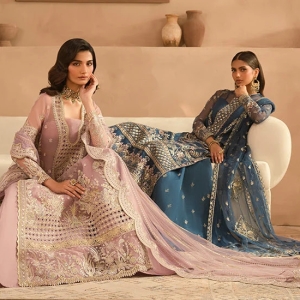
Brands such as Siddiqi World can be explored by shoppers interested in incorporating contemporary design elements into a broader personal wardrobe.
Pay Attention to Construction
Design and construction are closely connected. A garment may have an attractive concept, but its practical value also depends on how well that concept has been executed.
Look at stitching, seams, hems, buttons, zippers, lining, and other finishing details. Proper construction can help the garment maintain its intended shape and appearance.
When building a wardrobe, quality construction can be particularly important for frequently worn pieces because these garments may experience more washing and regular use.
Consider How Each Piece Works With Others
A wardrobe becomes more useful when individual garments complement one another. Before purchasing something new, consider how it will work with your existing clothing.
Ask yourself whether the color coordinates with your current wardrobe, whether the silhouette can be layered, and whether the piece can be dressed up or down.
This approach helps prevent a closet filled with attractive individual items that are difficult to combine into complete outfits.
Design Supports Personal Expression
One of the most important roles of clothing design is allowing people to express their personality. Clothing can communicate preferences through colors, silhouettes, patterns, textures, and styling choices.
Some people prefer minimalist designs, while others enjoy bold patterns and distinctive details. There is no single approach to personal style.
A well-planned wardrobe provides enough flexibility to experiment while maintaining a consistent sense of identity.
Conclusion
Clothing design matters because it influences appearance, comfort, versatility, functionality, and the way individual garments work together. By paying attention to silhouette, proportion, color, fabric, construction, and functional details, shoppers can make more informed decisions when developing a personal wardrobe. The most useful wardrobe is not necessarily the one with the greatest number of clothes, but one where individual pieces complement each other and support the wearer's lifestyle. Siddiqi World can be part of this process for those interested in incorporating contemporary designs into versatile wardrobes. Exploring Modern Clothing by Siddiqi in US can provide another opportunity to consider how modern design elements can complement personal style and everyday wardrobe needs.