
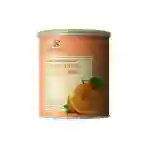





Waxing is a widely used method for removing unwanted hair and achieving smoother-looking skin. Orange liposoluble wax is one of the options used in professional beauty routines because of its oil-soluble formulation and convenient application characteristics. However, like other waxing methods, it can sometimes leave the skin feeling temporarily warm, sensitive, or uncomfortable.
Some degree of temporary redness or sensitivity can occur after hair removal, particularly when the skin is naturally sensitive or the treatment area receives repeated friction. Fortunately, careful preparation, appropriate waxing techniques, and gentle aftercare can help reduce unnecessary discomfort.
Understanding how to care for the skin before and after using orange liposoluble wax can make the overall hair-removal experience more comfortable.
Why Can Skin Feel Uncomfortable After Waxing?
Waxing involves applying a product directly to the skin and removing it along with unwanted hair. Because the hair is pulled from the root, the treated area may temporarily feel sensitive.
Several factors can influence post-waxing discomfort, including skin sensitivity, wax temperature, application technique, hair thickness, treatment area, and the condition of the skin before treatment.
Using wax that is too Blockedword/sentence, repeatedly waxing the same area, applying excessive pressure, or removing the wax incorrectly can increase irritation. Proper technique is therefore just as important as choosing a suitable product.
1. Make Sure the Wax Is at the Correct Temperature
Temperature control is one of the most important factors when working with heated wax. Orange liposoluble wax should be warmed according to the manufacturer's instructions and should never be applied when it is excessively Blockedword/sentence.
Wax that is too cool may not spread properly, while excessive heat can cause significant discomfort or potentially burn the skin.
Professionals should check the wax temperature before applying it to the treatment area. Using a suitable professional wax warmer can also provide better temperature control.
2. Prepare the Skin Properly
Good preparation can help improve the waxing process and reduce unnecessary irritation. Before treatment, the skin should generally be clean and free from excessive creams, lotions, oils, and other products that may affect wax adhesion.
The treatment area should also be checked for cuts, sunburn, irritation, or other visible skin damage. Waxing compromised skin can increase discomfort and may interfere with the skin's natural recovery.
Following the preparation instructions provided with the wax is an important part of the process.
3. Avoid Waxing the Same Area Repeatedly
Repeatedly applying and removing wax from the same area can place additional stress on the skin. If some hairs remain after the first application, it is important to use an appropriate professional technique rather than repeatedly waxing the area without consideration.
Experienced professionals can assess whether another application is appropriate or whether remaining hairs should be handled using another suitable method.
Limiting unnecessary passes over the skin can help reduce friction and temporary sensitivity.
4. Use a Controlled Removal Technique
The way wax is removed can affect the overall experience. Wax should be removed using the technique recommended for the specific product.
A controlled and confident removal motion can help avoid unnecessary pulling or repeated attempts. Professionals should also avoid rushing the process and should work in manageable sections.
Proper training and familiarity with the product can make it easier to maintain consistent technique.
5. Keep the Skin Cool After Treatment
After waxing, the treated area may feel warm or sensitive. Avoiding excessive heat can help make the skin feel more comfortable.
For example, it may be useful to avoid very Blockedword/sentence showers, saunas, steam rooms, and other sources of intense heat immediately after waxing.
If appropriate for the individual and product instructions, a gentle cooling approach may provide temporary comfort. However, extremely cold materials should not be placed directly against sensitive skin.
6. Avoid Excessive Touching
Freshly waxed skin should not be touched unnecessarily. Hands can transfer oils, dirt, and microorganisms to the treated area.
If you need to apply an aftercare product, wash your hands first and use a clean application method. Minimizing unnecessary contact can help keep the area clean while it settles.
7. Choose Gentle Skin-Care Products
Strong or heavily fragranced skin-care products may not be ideal immediately after waxing. Freshly treated skin can be temporarily more sensitive to certain ingreBlockedword/sentencents.
A simple routine using gentle products can be more appropriate during the initial post-waxing period. Avoid introducing multiple new products immediately after treatment.
Always follow the recommendations provided by the waxing product manufacturer or a qualified beauty professional.
8. Avoid Tight Clothing and Excessive Friction
Clothing that repeatedly rubs against freshly waxed skin can increase discomfort. This can be particularly noticeable when waxing areas such as the legs, underarms, or bikini area.
Loose, breathable clothing can help reduce unnecessary friction during the initial recovery period.
Avoiding excessive rubbing, scratching, or pressure can also help the skin return to its normal condition more comfortably.
9. Delay Intense Exercise
Exercise can increase sweating, heat, and friction. These factors may make recently waxed skin feel more uncomfortable.
Allowing the skin some time to settle before engaging in strenuous exercise may be beneficial. The appropriate waiting period can vary depending on the treatment area, skin sensitivity, and professional recommendations.
Once the skin feels comfortable and has returned to its normal condition, regular activities can generally be resumed.
10. Protect the Skin From Excessive Sun Exposure
Recently waxed skin may be more sensitive to environmental exposure. Spending extended periods in direct sunlight immediately after waxing may contribute to discomfort.
Consider reducing unnecessary sun exposure after treatment and follow appropriate sun-protection practices. When using sunscreen, choose a product suitable for your skin and follow its application instructions.
11. Avoid Immediate Exfoliation
Exfoliation can be useful as part of a regular skin-care routine, but doing it immediately after waxing may create additional friction.
Avoid harsh scrubs, exfoliating brushes, and strong exfoliating treatments until the skin has had sufficient time to settle. Once the initial sensitivity has passed, gentle exfoliation can be reintroduced according to individual skin needs.
12. Follow Product-Specific Aftercare Instructions
Different waxing products can have different formulations and recommendations. Orange liposoluble wax may have specific guidance regarding preparation, application, removal, and post-treatment care.
Reading the manufacturer's instructions before using the product can help reduce mistakes. Professional salons should also ensure that staff understand the correct handling, temperature, hygiene, and application requirements.
The Role of a Quality Waxing Product
Choosing a suitable waxing product is an important part of a professional hair-removal routine. A product's formulation, consistency, temperature requirements, and intended application areas can influence how it should be handled.
Signature Professional provides beauty and personal-care solutions designed to support modern grooming and professional salon routines. When selecting a waxing product, users should consider its specifications and ensure that it is appropriate for the intended treatment.
When to Seek Professional Help
Temporary redness or mild sensitivity can occur after waxing. However, severe pain, significant swelling, blistering, or persistent skin irritation should not be ignored.
If an unusual or severe reaction develops, discontinue potentially irritating products and consider consulting a qualified healthcare professional. People with particularly sensitive or compromised skin may also benefit from professional guidance before waxing.
Conclusion
Reducing skin discomfort after using orange liposoluble wax involves more than simply choosing a suitable wax. Correct temperature, proper skin preparation, controlled application and removal, gentle aftercare, reduced friction, and protection from excessive heat and sunlight can all contribute to a more comfortable experience.
Following the manufacturer's instructions is equally important because different formulations can have different requirements. For salons and beauty enthusiasts exploring professional hair-removal products, Orange Liposoluble Wax in Pakistan can be considered as part of a broader grooming routine. Signature Professional offers beauty-focused solutions that can complement professional waxing treatments and modern personal-care practices.