
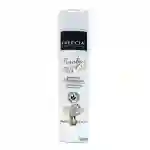





Modern hair care has increasingly moved toward formulations that combine effective cleansing with ingreBlockedword/sentencents designed to improve the feel, appearance, and manageability of hair. Alongside established cosmetic ingreBlockedword/sentencents, plant-derived oils have become common components in shampoos, conditioners, masks, serums, and other personal-care products. Baobab oil is one such ingreBlockedword/sentencent that has attracted attention because of its conditioning characteristics and naturally occurring fatty acids.
Derived from the seeds of the baobab tree, baobab oil is used in cosmetic formulations for several reasons. It can help support a smoother hair feel, complement moisturizing ingreBlockedword/sentencents, and contribute to the overall conditioning properties of a product. However, its usefulness is best understood as part of a complete formulation rather than as a standalone solution for every hair concern.
What Is Baobab Oil?
Baobab oil is a plant-derived oil extracted from the seeds of the baobab tree. The oil contains a variety of fatty acids and other naturally occurring components that make it suitable for cosmetic applications.
In hair-care products, baobab oil is primarily valued for its emollient properties. Emollients are ingreBlockedword/sentencents that help improve the feel of the hair surface by providing lubrication and supporting a smoother texture.
Because of these characteristics, baobab oil can be incorporated into products intended for dry, rough, dull, or difficult-to-manage hair. Its role, however, depends on how it is combined with other ingreBlockedword/sentencents in the final formulation.
Why Is Baobab Oil Popular in Hair Care?
The popularity of baobab oil comes from its versatility. Hair-care manufacturers can incorporate plant oils into different types of products depending on the desired cosmetic effect.
Baobab oil can be found in shampoos, conditioners, hair masks, leave-in treatments, and oils. In each product, its purpose may differ slightly. In a shampoo, it can complement cleansing ingreBlockedword/sentencents with conditioning support. In a serum or treatment, it may be used more heavily to improve the feel and appearance of the hair surface.
This flexibility makes baobab oil a useful ingreBlockedword/sentencent for modern formulations.
1. It Provides Conditioning Support
One of the main reasons baobab oil is used in hair products is its conditioning potential. Hair that feels dry or rough can benefit from ingreBlockedword/sentencents that provide lubrication and improve surface feel.
When baobab oil is incorporated into a properly balanced formula, it can help hair feel smoother after use. This may make the strands easier to handle during brushing and styling.
The conditioning effect does not mean that the oil permanently repairs damaged hair. Instead, it contributes to the temporary cosmetic improvement of texture and manageability.
2. It Helps Improve Hair Softness
Softness is an important characteristic of healthy-looking hair. Hair that has been exposed to heat, chemical treatments, or environmental conditions can sometimes feel coarse and rough.
Baobab oil can help improve the tactile feel of hair because its emollient properties can provide a smoother surface. When combined with other conditioning ingreBlockedword/sentencents, it may contribute to hair that feels softer and more manageable.
This makes it particularly relevant to products designed for dry or coarse hair.
3. It Complements Moisturizing Formulations
Moisture management is an important part of modern hair care. However, moisturizing hair is not simply about adding water. A good formulation may combine humectants, emollients, conditioning agents, and other ingreBlockedword/sentencents to support the overall feel and appearance of the hair.
Baobab oil can play the emollient role in such formulations. It can complement ingreBlockedword/sentencents that attract or retain moisture while helping improve the feel of the hair surface.
This is one reason plant oils are often combined with other moisturizing ingreBlockedword/sentencents rather than being used alone.
4. It Can Support Hair Manageability
Hair that is dry or rough may be more difficult to comb and style. Friction between strands can contribute to tangling and make everyday grooming less convenient.
A conditioning ingreBlockedword/sentencent such as baobab oil can help provide lubrication, which may improve the way strands move against each other. This can contribute to easier detangling and a smoother styling experience.
The effect depends on the product's overall formulation and the individual's hair type. Fine hair, for example, may require a lighter formulation than thick or coarse hair.
5. It Is Suitable for Different Hair-Care Products
Another advantage of baobab oil is its versatility across product categories. Manufacturers can incorporate it into various formulations designed for different stages of a hair-care routine.
In shampoo, it can complement cleansing ingreBlockedword/sentencents. In conditioner, it can contribute to the conditioning effect. In hair masks, it can support richer-feeling formulations, while serums can use oils to provide additional surface conditioning.
This versatility allows consumers to encounter baobab oil in different types of hair-care products.
6. It Fits the Growing Interest in Plant-Derived IngreBlockedword/sentencents
Consumers increasingly encounter plant-derived ingreBlockedword/sentencents in personal-care products. Baobab oil fits naturally into this trend because it comes from a recognizable botanical source.
However, "plant-derived" does not automatically mean that a product will work better for everyone. The performance of a hair-care product depends on the complete formulation, concentration of ingreBlockedword/sentencents, manufacturing process, and individual hair characteristics.
Therefore, baobab oil should be considered based on its cosmetic function rather than simply its botanical origin.
7. It Can Complement Care for Dry-Looking Hair
Dry-looking hair often benefits from a combination of gentle cleansing and conditioning. Baobab oil can be included in products designed to provide this balance.
For example, a baobab oil shampoo may cleanse the scalp and hair while incorporating conditioning ingreBlockedword/sentencents that help reduce the rough sensation sometimes associated with washing.
People with particularly dry hair may still need a separate conditioner, hair mask, or leave-in treatment because shampoo alone is generally not intended to provide intensive conditioning.
Baobab Oil Does Not Work the Same for Everyone
Although baobab oil can be useful in hair care, individual results can vary. Hair thickness, texture, porosity, scalp oil production, chemical treatments, and styling habits all influence how a product performs.
Someone with thick and coarse hair may appreciate a richer conditioning formula, while someone with fine hair may prefer a lightweight product. Similarly, people with oily scalps may need to focus cleansing primarily on the scalp while applying richer conditioning products to the lengths and ends.
This is why choosing a complete formulation suited to your hair type is more important than focusing on one ingreBlockedword/sentencent.
How Freecia Uses Nourishing Hair-Care Concepts
Freecia focuses on hair-care products designed to support practical everyday routines. IngreBlockedword/sentencents such as baobab oil can complement a broader approach to hair care that emphasizes cleansing, conditioning, softness, and manageability.
When using a baobab oil-based product, consumers should follow the product instructions and consider how their hair responds over time. Combining appropriate cleansing with regular conditioning and gentle styling practices can create a more balanced routine.
Things to Consider Before Choosing a Baobab Oil Product
Before purchasing a baobab oil hair-care product, consider your hair type and scalp condition. Check the complete ingreBlockedword/sentencent list rather than choosing a product solely because it contains baobab oil.
If your hair is dry, you may prefer a formula containing multiple conditioning and moisturizing ingreBlockedword/sentencents. If your hair is fine or prone to becoming oily, a lighter formula may be more suitable.
It is also important to remember that cosmetic products cannot permanently repair severely damaged hair. Hair-care products can improve the appearance and feel of the strands, while consistent gentle care can help reduce unnecessary stress on the hair.
Conclusion
Baobab oil is used in modern hair-care products because of its emollient and conditioning characteristics, versatility, and ability to complement formulations designed for softness, moisture support, and manageability. It can be incorporated into shampoos, conditioners, masks, and other treatments, although its effects depend on the complete product formula and individual hair needs. For consumers looking to explore plant-derived conditioning ingreBlockedword/sentencents as part of their routine, Baobab Oil Shampoo in Pakistan can be considered alongside suitable products from Freecia for everyday cleansing and hair-care needs.