





Moisture detection is an important requirement in industries where air quality, gas purity, and equipment performance must be carefully controlled. Excessive water vapor can create several operational challenges, including corrosion, condensation, contamination, and damage to sensitive machinery. Even small amounts of moisture can affect industrial processes that require dry air or specialized gases. To manage these conditions, businesses use advanced measurement instruments that help identify moisture levels and maintain suitable operating environments. These instruments are valuable in manufacturing, compressed air systems, pharmaceutical production, chemical processing, and power generation. Understanding how moisture detection technology works can help industrial professionals select suitable equipment and improve their monitoring procedures.
What Is a Dew Point Detector?
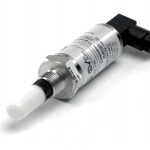
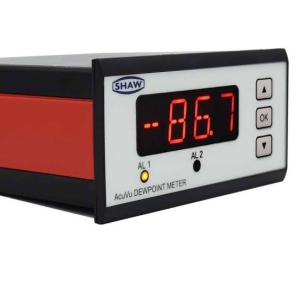
A dew point detector is an instrument used to identify the temperature at which water vapor in air or gas begins to condense into liquid water. This temperature is known as the dew point, and it provides useful information about the moisture content of a particular environment or gas system.
These instruments are designed to help operators detect unwanted moisture and evaluate whether air or gas conditions meet specific industrial requirements. Depending on the model, a detector may provide direct dew point readings, moisture concentration measurements, or other related information.
Modern devices use different sensing technologies to identify moisture conditions. Some instruments are designed for continuous monitoring in industrial pipelines, while others are portable and suitable for maintenance inspections. Digital displays and electronic output signals make it easier to observe measurement results and transfer information to industrial monitoring systems.
Accurate moisture detection is particularly important in applications where excessive water vapor can affect product quality, equipment reliability, or production efficiency.
Different Types of Dew Point Detection Technologies
Different sensing technologies are available for measuring moisture, and each offers specific advantages depending on the application.
Capacitive Sensors: These sensors detect moisture through changes in the electrical capacitance of a sensing material. They are commonly used in compressed air systems and industrial monitoring equipment.
Chilled Mirror Technology: This method detects the formation of condensation on a cooled reflective surface. It is particularly useful for applications requiring highly accurate reference measurements.
Aluminum Oxide Sensors: These sensors measure changes in electrical properties caused by moisture absorption. They are often used for monitoring very low moisture concentrations in industrial gases.
The selection of technology depends on measurement accuracy, moisture range, response time, operating conditions, and maintenance requirements.
Engineering Institute of Technology+2
Benefits of Using Modern Dew Point Detection Equipment
Modern moisture detection instruments offer several benefits for industrial operations. One important advantage is early problem identification. Continuous or regular measurements help operators recognize unwanted moisture before it causes serious equipment problems.
Another benefit is improved equipment protection. Excess moisture can contribute to corrosion, condensation, and damage to industrial components. Monitoring moisture conditions helps maintenance teams take preventive action.
These instruments also support better production quality. Industries that depend on dry air and purified gases can use measurement results to maintain suitable process conditions and reduce the possibility of contamination.
Digital monitoring capabilities provide additional convenience. Depending on the instrument, measurement results can be transferred to industrial control systems, data loggers, or monitoring software. This allows businesses to review moisture trends and make informed operational decisions.
Choosing the Right Dew Point Detector
Selecting appropriate equipment requires an understanding of the measurement environment and application requirements. Businesses should consider the expected dew point range, required accuracy, and type of gas being monitored.
Operating pressure is particularly important in compressed air applications. The instrument should be suitable for the pressure conditions and sampling arrangement of the system.
Response time, sensor technology, installation requirements, and calibration support should also be evaluated. For applications involving very low moisture concentrations, businesses may need specialized instruments with greater measurement sensitivity.
Maintenance costs and sensor replacement availability are equally important for long-term operation. Choosing equipment according to these factors helps ensure dependable measurement performance.
Importance of Calibration and Regular Maintenance
Regular calibration helps maintain the accuracy of moisture measurement equipment. Over time, sensor performance can change due to contamination, aging, and exposure to demanding industrial conditions.
Operators should follow the manufacturer's recommended calibration schedule and inspect sampling connections regularly. Blockedword/sentences, dust, oil, and other contaminants can influence measurement results and create inaccurate readings.
Routine maintenance also helps identify possible problems with air dryers, filters, and moisture removal systems. Reviewing measurement trends allows technicians to investigate unusual changes and take corrective action when necessary.
Proper installation, calibration, and handling contribute to reliable long-term instrument performance.
How dew-point Supports Industrial Moisture Detection
dew-point provides moisture measurement solutions designed to support industrial monitoring requirements. Reliable measurement instruments help businesses evaluate moisture conditions, monitor compressed air systems, and maintain suitable operating environments.
Industrial users should consider their specific measurement requirements, including gas composition, pressure, accuracy, and moisture range, before selecting appropriate equipment. Having suitable monitoring technology makes it easier to identify unwanted moisture and maintain consistent process conditions.
Effective moisture detection also supports equipment protection, production quality, and preventive maintenance. With appropriate measurement solutions and regular calibration, businesses can improve their moisture monitoring procedures and reduce operational risks.
Conclusion
Moisture detection is essential for industries that depend on controlled air quality and dry industrial gases. A suitable dew point measurement instrument helps identify unwanted water vapor and provides useful information about the condition of industrial systems.
From compressed air networks and pharmaceutical facilities to chemical manufacturing and power generation, reliable measurements support better process control and equipment protection. Selecting the right technology requires evaluating measurement accuracy, sensor type, operating pressure, and maintenance requirements.
By investing in suitable moisture detection equipment and following regular calibration practices, businesses can maintain reliable operations, improve product quality, and reduce moisture-related problems.