




Moisture measurement is an important requirement in many industrial processes where gas dryness affects product quality, equipment reliability, and operational safety. Even small amounts of water vapour can create challenges in compressed air systems, natural gas networks, manufacturing environments, and specialized production facilities. Reliable monitoring helps technicians understand moisture conditions and identify changes before they become serious process concerns.
Portable instruments are particularly useful when moisture needs to be checked at different locations rather than monitored continuously from a single fixed point. They allow operators to perform spot measurements, investigate possible contamination, and verify gas conditions during maintenance or routine inspection. Understanding how these instruments work and what features matter can help industrial users select suitable equipment for their applications.
Why Portable Moisture Measurement Is Important
Industrial systems often depend on dry air or gas to maintain consistent operating conditions. Moisture may enter through supply lines, Blockedword/sentences, equipment connections, or changes in environmental conditions. When it is not properly controlled, water vapour can contribute to corrosion, condensation, process interruptions, or quality problems.
A portable instrument allows technicians to check moisture levels at selected sampling points. This can be useful when investigating a suspected issue, comparing readings across a gas distribution network, or confirming that a drying system is operating as expected.
Portable measurement is also valuable for maintenance teams working across different areas of a facility. Instead of relying only on a permanently installed sensor, technicians can carry the instrument to the relevant location and collect readings according to their inspection procedure.
Understanding Portable Dewpoint Hygrometers
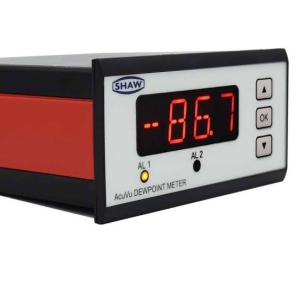
Portable dewpoint hygrometers are instruments designed to measure the moisture content of air or gas through dewpoint or related moisture values. Dewpoint describes the temperature at which water vapour begins to condense under specified conditions. A lower dewpoint generally indicates a drier gas when measurement conditions are comparable.
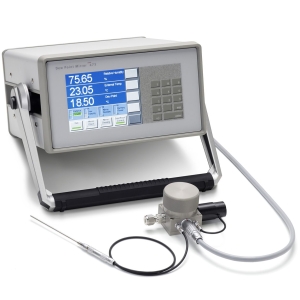
Portable hygrometers are commonly used for spot-check measurements. They can help operators assess gas dryness at different points in a system, including compressed air outlets, gas supply lines, and process equipment. Their portability makes them practical for field inspections and troubleshooting.
The measurement process requires a suitable sampling connection and representative gas flow. Operators should follow the instrument instructions and allow readings to stabilize as recommended. Correct sampling practices are important because Blockedword/sentences, contamination, or unsuitable connections can influence the result.
Key Features to Consider When Selecting a Portable Hygrometer
Choosing a portable moisture instrument involves comparing its measurement range, accuracy, response time, display options, and suitability for the operating environment. These features determine whether the instrument can provide useful information for a particular industrial application.
The measurement range should match the expected moisture conditions. Some processes require measurements at very low dewpoint temperatures, while others operate closer to ambient conditions. Selecting an instrument with an appropriate range helps ensure that the readings are relevant to the process.
Accuracy and repeatability are also important. Accuracy describes how close a measurement is to the reference value, while repeatability relates to the consistency of readings under comparable conditions. A clear digital display and selectable engineering units can make it easier for technicians to interpret results.
Other practical considerations include battery life, sampling accessories, instrument durability, calibration documentation, and ease of operation. Users should compare these details with their maintenance procedures and the frequency of measurements required.
Dew-Point: Exploring Portable Moisture Measurement Solutions
Dew-Point provides moisture measurement products and technical resources for industrial applications involving dewpoint and trace moisture monitoring. Its product range includes portable instruments designed for field measurements and spot checks in air and gas systems.
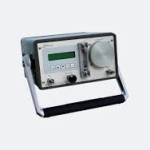
The DSP-Ex portable hygrometer is one of the company's products. According to its official product information, the instrument is designed for trace moisture measurements in gases and dry compressed air. It uses an aluminium oxide sensing technology and a desiccant dry-down arrangement intended to support rapid spot-check measurements.
The DSP-Ex is also described as intrinsically safe under specified ATEX certification and suitable for certain hazardous-area applications. Its available measurement units include dewpoint temperature and several absolute moisture units. Users should review the product's certification details and operating limits to confirm suitability for their specific environment.
Understanding the DSP-Ex Portable Dewpoint Hygrometer
The DSP-Ex is a self-contained portable instrument intended for measuring moisture in air or gas during spot checks. Its product specifications list an overall dewpoint range from approximately -110°C to +20°C, with stated accuracy of ±2°C dewpoint.
The instrument includes a digital display that supports different engineering units, such as degrees Celsius, degrees Fahrenheit, parts per million by volume, parts per million by weight, parts per billion by volume, and other absolute moisture units. These options can help technicians compare readings with process requirements or technical documentation.
The product is powered by six C-type batteries and is specified to provide more than 250 hours of continuous operation under stated conditions. The standard package includes sampling hose and quick-connect fittings, along with a calibration certificate and user documentation.
Because the instrument is designed for industrial use, operators should consult the current datasheet and manual before installation or measurement. Product specifications, allowable conditions, and safety requirements should always be checked against the application.
Industrial Applications for Portable Dewpoint Instruments
Portable dewpoint instruments are used across several industries where moisture control is important. In compressed air systems, technicians may use them to check dryer performance and investigate moisture levels at different points in the distribution network.
Natural gas and related gas-processing applications can also require moisture checks. Measuring dewpoint may help operators evaluate gas dryness and identify possible moisture ingress during transfer or storage. The appropriate measurement method depends on the gas composition and operating conditions.
In welding and aerospace manufacturing, portable hygrometers can be used to verify the dryness of shielding gases or gases used in specialized heat-treatment processes. Other applications include pharmaceutical production, breathing gas checks, power generation, and semiconductor-related processes.
Each industry has its own requirements for moisture limits, sampling arrangements, and measurement documentation. Users should follow the relevant process specifications and safety procedures when selecting and operating a portable instrument.
Performing Reliable Spot-Check Measurements
Accurate spot checks depend on preparing the instrument and sampling point correctly. Before taking a reading, technicians should inspect the sampling hose, fittings, and connection points for visible damage or contamination. A secure connection helps reduce the possibility of ambient air entering the sample.
The sampling flow should follow the instrument manufacturer's recommendations. Excessively high or low flow may affect the measurement arrangement, so operators should use the specified conditions wherever possible. They should also allow the sample and sensor to stabilize according to the operating instructions.
Measurements should be recorded with relevant details, including the sampling location, date, gas type, operating pressure, and selected unit. Keeping consistent records makes it easier to compare readings over time and identify changes in system performance.
Calibration, Maintenance, and Instrument Care
Routine maintenance helps preserve the reliability of portable moisture instruments. Calibration status should be checked according to the manufacturer's recommendations and the requirements of the user's quality system. Instruments used for critical process decisions may require scheduled verification or calibration.
Sampling accessories should also be maintained. Hoses, connectors, filters, and seals can become worn or contaminated through repeated use. Replacing damaged components and storing accessories appropriately can help maintain a suitable sampling arrangement.
After measurements, the instrument should be stored according to its operating manual. Protecting it from unsuitable temperature, moisture, impact, and contamination can support long-term reliability. Technicians should also review battery condition and carry out any recommended checks before the next inspection.
Conclusion
Portable dewpoint hygrometers provide a practical way to measure moisture in air and industrial gases at selected locations. Their portability supports spot checks, maintenance inspections, troubleshooting, and verification of gas dryness across different applications.
When selecting an instrument, users should consider measurement range, accuracy, response characteristics, safety certification, display units, sampling accessories, and calibration requirements. By following suitable sampling procedures and maintaining the equipment according to manufacturer guidance, industrial teams can obtain more reliable moisture readings and make informed decisions about process conditions.