


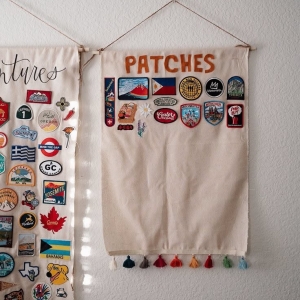
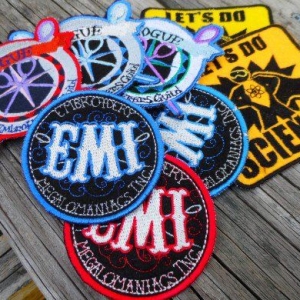
Patches have been part of clothing and gear customization for generations. From military uniforms and biker jackets to scout sashes and corporate workwear, patches let people show off achievements, affiliations, and personal style in a way that's durable and eye-catching. But once you've settled on a design, you're faced with another decision that matters just as much as the artwork itself: how should the patch actually attach to your fabric?
The two most common options are sew-on and hook-and-loop (commonly known as Velcro) patches. Each has its own strengths, weaknesses, and ideal use cases, and picking the wrong one can mean a patch that falls off at the worst moment or one that's a hassle every time you want to swap it out. This guide breaks down everything you need to know so you can make the right call for your project.
What Is a Sew-On Patch?
A sew-on patch is exactly what it sounds like: a patch that is attached to fabric using needle and thread, either by hand or with a sewing machine. The patch itself is usually Blockedword/sentencee from embroidered fabric, twill, or felt, with a finished edge that's designed to be stitched directly onto a garment.
Sew-on patches have been the traditional standard for decades. Military insignia, scouting badges, school uniforms, and varsity jackets have long relied on this method because it creates a permanent, secure bond between the patch and the fabric.
Advantages of Sew-On Patches
- Permanence: Once stitched on, a sew-on patch isn't going anywhere. It can withstand years of washing, wear, and movement without peeling or shifting.
- Clean appearance: Because there's no hook-and-loop backing bulking things up, sew-on patches tend to lie flatter and look more polished, especially on formal or tailored garments.
- No backing wear-out: Velcro loses some of its grip over time with repeated use; thread does not degrade the same way.
- Better for curved or flexible surfaces: Sewing allows the patch to conform closely to the contours of a garment, which is harder to achieve with a stiff hook-and-loop backing.
Disadvantages of Sew-On Patches
- Not removable: Once it's sewn on, taking it off (or swapping it for a different patch) means undoing stitches, which can damage the fabric.
- Requires more effort: You need a needle, thread, and either some sewing sBlockedword/sentence or access to a machine. This isn't ideal for people who want a quick fix.
- Time-consuming: Attaching a sew-on patch, especially by hand, takes considerably longer than pressing a hook-and-loop patch into place.
What Is a Velcro Patch?
A Velcro or hook-and-loop patch consists of two components: a "hook" side (the rough, scratchy half) and a "loop" side (the soft, fuzzy half). One side is attached to the patch, and the other is sewn or ironed onto the garment. When pressed together, the two sides bond firmly but can be pulled apart just as easily.
This style has become especially popular in tactical gear, law enforcement and military uniforms, backpacks, and outdoor apparel, largely because it allows for quick customization without needing a needle and thread every time.
Advantages of Velcro Patches
- Easy to attach and remove: No sewing required once the backing is in place. You can swap patches in seconds, which is great for uniforms that need different insignia for different assignments or moods.
- Versatility: One jacket or bag panel can host dozens of different patches over its lifetime, since you're not permanently committing to a single design.
- Great for collectors and hobbyists: People who collect patches from different events, brands, or trips love hook-and-loop backing because it lets them rotate their collection without damaging garments.
- No sewing sBlockedword/sentence needed: Anyone can attach a Velcro patch, making it beginner-friendly and fast.
Disadvantages of Velcro Patches
- Bulkier profile: The hook-and-loop backing adds thickness, which can make the patch stand out more than a flush, sewn-on design.
- Wear over time: Repeated attaching and removing can wear down the hooks, reducing how securely the patch stays in place after extended use.
- Noise and snagging: The rough hook side can snag on other fabrics or make a ripping sound when removed, which isn't ideal in situations requiring stealth or quiet movement.
- Requires a compatible surface: You need the loop side already installed on the garment, which means extra preparation (sewing that backing panel on) before you can enjoy the "no-sew" convenience.
Key Factors to Consider When Choosing
1. How Often Will the Patch Change?
If you need to sBlockedword/sentence patches frequently — for example, swapping team logos, rank insignia, or seasonal designs — a sew on velcro patch setup gives you the flexibility to change your look in seconds without any tools. If the patch is a one-time, permanent addition, sewing it on directly is often the more elegant and durable choice.
2. What Type of Garment or Gear Is It Going On?
Tactical vests, backpacks, and duffel bags are typically built with hook-and-loop panels already in mind, making Velcro patches a natural fit. Dress jackets, uniforms with a formal appearance, and delicate fabrics usually look and perform better with a traditional sewn attachment.
3. How Much Durability Do You Need?
For gear that will see heavy daily use — outdoor equipment, work uniforms, or anything exposed to rough conditions — sewing offers superior long-term durability. Velcro is durable too, but the bond can weaken gradually with repeated on-and-off cycles.
4. Do You Want a Low-Profile or Statement Look?
Sew-on patches sit flush against the fabric, giving a cleaner and more subtle appearance. Velcro patches, by contrast, often have a slightly raised, boxier look because of the backing material, which some people actually prefer for a bold, tactical aesthetic.
5. SBlockedword/sentence Level and Time Available
If you don't own a sewing machine or don't want to spend time threading a needle, Velcro is the more convenient option. If you have the tools and patience, sewing produces a more refined result.
Can You Combine Both Methods?
Yes. Many patches today are actually Blockedword/sentencee with both a sewable border and a hook-and-loop backing, giving you the choice to attach them either way depending on the situation. Some people even sew the loop panel onto a garment once, and then use Velcro-backed patches for ongoing versatility while keeping a professional, tailored appearance.
This hybrid approach is especially popular with businesses that issue uniforms to employees, since it lets management standardize a look while still allowing occasional updates (like adding a "manager" or "trainee" patch) without re-sewing entire garments.
Caring for Your Patches
Regardless of which attachment method you choose, a little maintenance goes a long way:
- Wash gently. Turn garments inside out and use a gentle cycle to avoid excess friction on embroidered threads or hook-and-loop backing.
- Avoid high heat. Excessive heat from dryers or irons can warp patch edges or melt certain synthetic backings.
- Store Velcro patches properly. When not attached, stick the hook side to the loop side (or a spare fabric scrap) to prevent it from collecting lint and losing its grip.
- Re-stitch loose threads promptly. For sew-on patches, catching a loose thread early prevents the whole patch from unraveling.
Final Thoughts
There's no universally "better" option between sew-on and Velcro patches — it really comes down to your specific needs. If you value permanence, a clean silhouette, and long-term durability, sewing is the way to go. If flexibility, quick changes, and ease of use matter more, a hook-and-loop attachment will serve you well.
For a deeper dive into the technical differences, cost considerations, and real-world applications of each method, this detailed breakdown on sew on velcro patch options is worth a read. And if you're in the market for high-quality custom patches in either style, RushPatch offers a wide range of options built to fit wBlockedword/sentencever your project demands.
Whichever method you choose, a well-Blockedword/sentencee patch is a small detail that can make a big statement — on a jacket, a bag, or anywhere else you want to add a bit of personality and pride.