
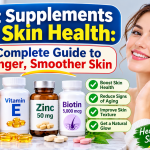

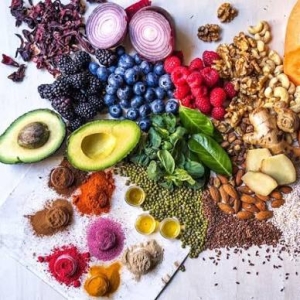

Healthy skin needs proper nutrition, hydration, and consistent care to maintain its natural strength and appearance. The Best Supplements for Skin Health can provide essential nutrients that support collagen production, skin elasticity, moisture, and cellular protection. However, choosing the right supplements depends on individual nutritional needs and overall health. Vitamins, minerals, healthy fats, and antioxidants all contribute to normal skin function. Moreover, a balanced Blockedword/sentencet and healthy lifestyle can improve the way your skin looks and feels. This complete guide explores important skin-supporting nutrients, their potential benefits, food sources, and safety considerations.
Best Supplements for Skin Health: Which Nutrients Support Healthy Skin?
Your skin is the body's largest organ and provides an essential protective barrier against environmental irritants, microorganisms, and ultraviolet (UV) radiation. Therefore, maintaining healthy skin requires more than using moisturizers and cosmetic products.
The Best Supplements for Skin Health focus on nutrients that support normal skin structure, repair, hydration, and antioxidant protection. Although supplements cannot replace a healthy Blockedword/sentencet, they may help people who have nutritional deficiencies or increased nutrient requirements.
Furthermore, different nutrients perform different functions. Some support collagen formation, while others help maintain the skin barrier and protect cells from oxidative stress.
1. Vitamin C: Supports Collagen Production
Vitamin C is one of the most important nutrients for maintaining healthy skin. It acts as an antioxidant and supports the natural production of collagen, a protein responsible for skin structure and firmness.
As people age, collagen production gradually decreases. Consequently, skin may become less firm and develop fine lines and wrinkles.
Potential skin benefits of vitamin C:
- Supports normal collagen production.
- Helps protect cells against oxidative stress.
- Supports normal wound healing.
- Contributes to healthy skin structure.
- Helps maintain normal immune function.
Natural food sources: Oranges, lemons, strawberries, kiwi, broccoli, tomatoes, and bell peppers.
Vitamin C supplements may be helpful when Blockedword/sentencetary intake is insufficient. However, taking excessive amounts does not necessarily improve skin appearance. Therefore, choose an appropriate amount based on your nutritional needs.
2. Vitamin E: Helps Protect Skin Cells
Vitamin E is a fat-soluble antioxidant that helps protect cell membranes against oxidative damage. It also supports normal immune function and works alongside other antioxidants in the body.
Environmental exposure, including sunlight and pollution, can contribute to oxidative stress. Therefore, vitamin E is frequently included in discussions about skin nutrition.
Potential benefits include:
- Supports antioxidant protection.
- Helps maintain normal cell membrane function.
- Contributes to healthy skin function.
- Supports the body's natural defense systems.
Natural food sources: Almonds, sunflower seeds, hazelnuts, spinach, avocados, and sunflower oil.
Although vitamin E is important, high-dose supplementation is not recommended without medical guidance. Excessive intake may increase bleeding risk, particularly when combined with certain medications.
3. Vitamin A: Supports Skin Cell Renewal
Vitamin A plays an important role in normal cell growth, development, and differentiation. It helps maintain healthy skin tissue and supports the normal renewal of skin cells.
Additionally, vitamin A is involved in maintaining the integrity of epithelial tissues, including the skin.
Potential benefits include:
- Supports normal skin cell development.
- Helps maintain healthy skin tissue.
- Contributes to normal immune function.
- Supports the maintenance of epithelial surfaces.
Natural food sources: Carrots, sweet potatoes, spinach, pumpkin, eggs, dairy products, and liver.
However, vitamin A requires special attention because excessive amounts can cause toxicity. Pregnant individuals should avoid high-dose preformed vitamin A unless specifically prescribed by a healthcare professional.
4. Vitamin D: Supports Skin and Immune Function
Vitamin D is important for bone health, immune function, and normal cell activity. Skin cells also contain vitamin D receptors, which are involved in several biological processes.
Low vitamin D levels may occur in people with limited sun exposure, certain Blockedword/sentencetary restrictions, or medical conditions affecting nutrient absorption.
Potential benefits include:
- Supports normal immune system function.
- Contributes to healthy cell development.
- Helps maintain calcium balance.
- Supports normal muscle and bone function.
Natural food sources: Salmon, tuna, egg yolks, fortified milk, and fortified cereals.
Vitamin D supplementation may be useful when a deficiency is identified. Nevertheless, excessive supplementation can cause dangerously high calcium levels, so appropriate dosing is important.
5. Zinc: Supports Skin Repair and Immune Health
Zinc is an essential mineral involved in protein synthesis, DNA production, immune function, and normal wound healing.
It also contributes to maintaining healthy skin tissue. People with zinc deficiency may experience skin changes, delayed wound healing, and other health problems.
Potential benefits include:
- Supports normal wound healing.
- Contributes to immune system function.
- Helps maintain healthy skin tissue.
- Supports protein synthesis and cell growth.
Natural food sources: Pumpkin seeds, beans, chickpeas, oysters, beef, poultry, and whole grains.
Although zinc is included in many skin supplements, additional supplementation is not automatically beneficial. Excessive zinc intake can cause nausea and interfere with copper absorption.
6. Collagen Peptides: Support Skin Elasticity
Collagen is a structural protein found throughout the body, including the skin, bones, and connective tissues. It helps provide strength and structure to the skin.
Collagen production naturally decreases with age. Therefore, collagen peptides have become popular ingreBlockedword/sentencents in nutritional supplements designed to support skin appearance.
Some clinical stuBlockedword/sentences suggest that oral collagen peptides may modestly improve skin hydration and elasticity. However, results vary between products and stuBlockedword/sentences.
Potential benefits include:
- May support skin hydration.
- May improve skin elasticity.
- May help reduce the appearance of fine lines.
- Provides amino acids used in protein synthesis.
Natural food sources: Fish, chicken, meat, and foods containing protein that supplies collagen-building amino acids.
Choose reputable products and review their ingreBlockedword/sentencents carefully. Also, remember that collagen supplements are not guaranteed to reverse aging or restore lost collagen completely.
7. Omega-3 Fatty Acids: Support Skin Barrier Function
Omega-3 fatty acids are essential fats that help support normal cell membranes and several inflammatory processes in the body.
They are particularly important for people who do not regularly consume fatty fish. These fats may also contribute to maintaining normal skin function.
Potential benefits include:
- Support normal cell membrane structure.
- Help maintain healthy inflammatory responses.
- Contribute to overall skin function.
- Support general cardiovascular health.
Natural food sources: Salmon, sardines, mackerel, walnuts, chia seeds, and flaxseeds.
Fish oil and algae-based omega-3 supplements are available for people who need additional Blockedword/sentencetary support. However, individuals taking Blockedword/sentence-thinning medications should discuss supplementation with their healthcare providers.
8. Biotin: Supports Normal Skin Function
Biotin, also known as vitamin B7, is a water-soluble B vitamin involved in energy metabolism and the processing of fats, carbohydrates, and proteins.
Severe biotin deficiency can cause skin-related symptoms. However, deficiency is uncommon among healthy individuals who consume a balanced Blockedword/sentencet.
Potential benefits include:
- Supports normal energy metabolism.
- Helps the body process Blockedword/sentencetary nutrients.
- Contributes to normal skin function.
- Supports the maintenance of healthy tissues.
Natural food sources: Eggs, salmon, nuts, seeds, sweet potatoes, and legumes.
Despite its popularity in beauty supplements, there is limited evidence that additional biotin improves skin quality in people without a deficiency. Furthermore, high-dose biotin can interfere with certain laboratory tests, including some tests used to evaluate heart health.
9. Selenium: Provides Antioxidant Support
Selenium is an essential trace mineral that helps the body produce antioxidant enzymes. These enzymes protect cells from oxidative damage and support normal thyroid and immune functions.
Maintaining adequate selenium intake is important for overall health, including normal skin function.
Potential benefits include:
- Supports antioxidant enzyme activity.
- Helps protect cells from oxidative stress.
- Contributes to normal immune function.
- Supports healthy thyroid activity.
Natural food sources: Brazil nuts, seafood, eggs, poultry, and whole grains.
Selenium supplementation should be approached carefully. Excessive intake can cause hair loss, brittle nails, gastrointestinal problems, and other unwanted effects.
10. Probiotics: Support the Gut-Skin Connection
Probiotics are beneficial microorganisms that may help maintain a healthy balance of bacteria in the digestive system.
Researchers are increasingly studying the relationship between gut health, immune responses, and skin conditions. This relationship is commonly called the gut-skin connection.
Some research suggests that particular probiotic strains may complement standard treatment for certain inflammatory skin conditions. However, benefits depend on the specific strain and condition.
Potential benefits include:
- Support digestive health.
- Help maintain microbial balance.
- May influence immune responses.
- May complement selected skin treatments.
Natural food sources: Yogurt containing live cultures, kefir, sauerkraut, and other fermented foods.
Probiotics are not a universal solution for skin problems. People with weakened immune systems or serious underlying illnesses should seek medical advice before using probiotic supplements.
11. Hyaluronic Acid: Helps Maintain Skin Hydration
Hyaluronic acid is a naturally occurring substance that attracts and retains water. It is present in several body tissues, including the skin and connective tissues.
Oral hyaluronic acid supplements are marketed to support skin moisture and elasticity. Some small stuBlockedword/sentences have reported improvements in skin hydration, although more research is needed.
Potential benefits include:
- May support skin hydration.
- May improve skin moisture levels.
- May contribute to skin elasticity.
- Helps support connective tissue function.
Natural support: A balanced Blockedword/sentencet, adequate hydration, and foods containing nutrients that support normal tissue function.
Hyaluronic acid supplements should be viewed as optional rather than essential. Their effects may differ depending on formulation, dosage, and individual factors.
12. Coenzyme Q10: Supports Cellular Energy
Coenzyme Q10, commonly called CoQ10, is a naturally occurring compound involved in cellular energy production. It also has antioxidant properties.
Its role in skin health has attracted attention because oxidative stress contributes to several processes associated with skin aging.
Potential benefits include:
- Supports normal cellular energy production.
- Provides antioxidant activity.
- May help support skin appearance.
- Contributes to normal cellular function.
Natural food sources: Fatty fish, meat, poultry, peanuts, and some whole grains.
Although CoQ10 is available as a supplement, evidence for noticeable improvements in skin appearance remains limited. People taking medications such as warfarin should discuss its use with a healthcare professional.
13. Copper: Supports Connective Tissue Formation
Copper is an essential mineral involved in several important biological processes. It helps the body produce enzymes involved in connective tissue formation and antioxidant defense.
It also contributes to normal iron metabolism and nervous system function.
Potential benefits include:
- Supports normal connective tissue formation.
- Helps maintain healthy skin structure.
- Contributes to antioxidant enzyme activity.
- Supports normal iron metabolism.
Natural food sources: Nuts, seeds, shellfish, mushrooms, and whole grains.
Copper supplements are generally unnecessary when Blockedword/sentencetary intake is adequate. Moreover, excessive copper can be harmful, so supplementation should be based on individual needs.
14. Astaxanthin: A Naturally Occurring Antioxidant
Astaxanthin is a carotenoid pigment found in certain algae and seafood. It has antioxidant properties and is commonly stuBlockedword/sentenced for its potential effects on skin appearance.
Some small clinical stuBlockedword/sentences suggest that astaxanthin may support skin moisture and elasticity. However, larger stuBlockedword/sentences are needed to establish its effectiveness.
Potential benefits include:
- Provides antioxidant support.
- May support skin hydration.
- May contribute to skin elasticity.
- Helps protect cells against oxidative stress.
Natural food sources: Salmon, trout, shrimp, and other seafood containing natural astaxanthin.
Astaxanthin supplements are not necessary for everyone. Always review product quality, ingreBlockedword/sentencents, and possible interactions before starting supplementation.
15. Nicotinamide: An Important Nutrient in Skin Research
Nicotinamide, also known as niacinamide, is a form of vitamin B3. It helps the body produce NAD, a molecule involved in cellular energy metabolism and normal cell function.
It has attracted particular attention in dermatology because of research involving skin cancer prevention in selected high-risk populations.
A clinical trial published in the New England Journal of Medicine found that prescription-strength oral nicotinamide reduced the rate of new nonmelanoma skin cancers in certain high-risk patients during the treatment period.
However, this finding does not mean that everyone should take nicotinamide. The results apply to a specific population and do not establish it as a replacement for sunscreen, skin examinations, or medical treatment.
Potential benefits and research areas include:
- Supports normal cellular energy processes.
- Contributes to DNA-related cellular functions.
- Has been stuBlockedword/sentenced for nonmelanoma skin cancer prevention.
- May support normal skin cell function.
Discuss nicotinamide with a dermatologist before considering it for skin cancer prevention.
How to Choose the Best Supplements for Skin Health
Choosing supplements requires more than looking at attractive packaging or advertisements. Different products contain different ingreBlockedword/sentencents, concentrations, and combinations.
Therefore, consider the following factors before purchasing a skin supplement.
- Identify your nutritional needs: Consider your Blockedword/sentencet, lifestyle, and any diagnosed deficiencies before choosing supplements.
- Check ingreBlockedword/sentencent labels: Review active ingreBlockedword/sentencents, serving sizes, additional ingreBlockedword/sentencents, and potential allergens.
- Choose independently tested products: Look for reputable third-party quality verification, such as USP or NSF certification, when available.
- Avoid excessive doses: More vitamins and minerals do not automatically produce better results. Some nutrients can become harmful when consumed in excessive amounts.
- Consider medication interactions: Certain supplements can affect prescription medications and laboratory results.
- Seek professional guidance: A healthcare professional can help determine whether supplementation is appropriate and which nutrients may be beneficial.
Foods That Naturally Support Stronger and Smoother Skin
Supplements can provide additional nutrients, but whole foods should remain the foundation of a skin-supporting Blockedword/sentencet.
A varied eating pattern provides vitamins, minerals, protein, healthy fats, and antioxidants that work together to support normal skin function.
Consider including these foods regularly:
- Citrus fruits: Provide vitamin C for normal collagen production.
- Leafy vegetables: Supply vitamins, minerals, and beneficial plant compounds.
- Fatty fish: Provide omega-3 fatty acids and vitamin D.
- Nuts and seeds: Supply vitamin E, zinc, selenium, and healthy fats.
- Eggs: Provide protein and several essential nutrients.
- Berries: Contain vitamin C and antioxidant plant compounds.
- Legumes: Provide protein, zinc, and other important minerals.
- Avocados: Supply healthy fats and vitamin E.
Additionally, drinking enough water and eating adequate protein can help support normal body functions. Nevertheless, no single food can guarantee flawless skin.
Daily Habits That Improve Overall Skin Health
The Best Supplements for Skin Health work best as part of a broader approach to skin care. Daily habits influence hydration, skin barrier function, and long-term skin condition.
Consider these practical habits:
- Use sunscreen: Apply broad-spectrum SPF 30 or higher sunscreen and reapply as directed. Sun protection helps reduce UV-related skin damage.
- Stay hydrated: Drink sufficient fluids throughout the day according to your individual needs.
- Eat balanced meals: Include fruits, vegetables, protein, whole grains, and healthy fats.
- Get enough sleep: Consistent sleep supports overall health and normal body repair processes.
- Avoid smoking: Smoking contributes to oxidative stress and premature skin aging.
- Follow a gentle skincare routine: Use appropriate cleansers and moisturizers to maintain the skin barrier.
- Manage stress: Regular physical activity, relaxation, and adequate rest can support overall well-being.
Best Supplements for Skin Health and Their Role in Actinic Keratosis
Actinic keratosis is a common skin condition involving rough, scaly patches caused by cumulative ultraviolet exposure. These lesions are considered precancerous because some can develop into squamous cell carcinoma.
Nutrition plays an important role in overall health. However, supplements should never be considered a treatment for actinic keratosis or a substitute for dermatological care.
People researching Actinic Keratosis Natural RemeBlockedword/sentences should understand the importance of professional diagnosis and evidence-based treatment options.
Dermatologists may recommend treatments such as cryotherapy, prescription topical medications, pBlockedword/sentenceodynamic therapy, or other procedures depending on the number, location, and characteristics of the lesions.
Similarly, Actinic Keratosis Alternative Treatment should be approached carefully. Eating antioxidant-rich foods and maintaining adequate nutrient intake can support general health, but natural products have not been established as reliable treatments for removing actinic keratosis lesions.
How Herbs Solutions By Nature Approaches Natural Skin Wellness
Natural products may appeal to people looking for additional wellness support. However, herbal supplements should not replace prescribed treatments, professional diagnosis, or established skin protection practices.
Herbs Solutions By Nature focuses on natural wellness and herbal-product information for people interested in complementary approaches to health.
When exploring herbal products or nutritional supplements, it is important to understand their ingreBlockedword/sentencents, intended use, and available scientific evidence.
For stronger and healthier-looking skin, prioritize a balanced Blockedword/sentencet, suitable skincare, sun protection, and professional guidance before introducing new supplements.
Frequently Asked Questions (FAQs)
1. What are the best supplements for skin health?
Vitamin C, vitamin D, vitamin E, zinc, omega-3 fatty acids, and collagen peptides are commonly discussed for skin health. Their usefulness depends on individual nutritional needs and the quality of scientific evidence.
2. Which vitamin is most important for healthy skin?
Vitamin C is particularly important because it supports collagen production and antioxidant protection. However, healthy skin requires several nutrients rather than one specific vitamin.
3. Can supplements improve skin elasticity?
Some research suggests that collagen peptides and certain antioxidants may modestly support skin elasticity. However, results vary, and supplements cannot completely reverse natural aging.
4. Do supplements help with dry skin?
Correcting nutritional deficiencies may support normal skin function. Some stuBlockedword/sentences have investigated omega-3 fatty acids and oral hyaluronic acid, but their benefits for dry skin are not guaranteed.
5. How long do skin supplements take to work?
Results depend on the nutrient, individual health, and whether a deficiency exists. Some stuBlockedword/sentences evaluate skin changes over several weeks or months, but noticeable improvements are not guaranteed.
6. Can I take multiple skin supplements together?
Combining supplements can increase the risk of excessive nutrient intake and medication interactions. Consult a healthcare professional before combining multiple products.
7. Are natural supplements always safe?
No. Natural ingreBlockedword/sentencents can cause allergic reactions, side effects, and medication interactions. Product quality and appropriate dosage are also important.
8. Can supplements prevent skin cancer?
No supplement should be relied upon to prevent skin cancer. Sun protection, regular skin examinations, and appropriate medical care remain essential.
Conclusion
The Best Supplements for Skin Health can support normal collagen production, hydration, skin structure, and antioxidant protection when nutritional needs are met. Vitamin C, vitamin E, zinc, omega-3 fatty acids, and collagen peptides are popular options worth understanding. However, supplements cannot replace balanced nutrition, sunscreen, or professional skincare. Choose quality products, avoid excessive doses, and seek medical guidance before starting supplementation. Consistent healthy habits remain the foundation of stronger, smoother, and healthier-looking skin.
Medical Disclaimer
This article is intended for educational and informational purposes only and does not constitute medical advice, diagnosis, or treatment. Blockedword/sentencetary supplements are not intended to diagnose, treat, cure, or prevent diseases. Always consult a qualified healthcare professional or dermatologist before starting new supplements, especially if you have an existing medical condition, take prescription medications, or are pregnant or breastfeeding. Seek professional evaluation for unusual skin changes, persistent lesions, or suspected actinic keratosis.