

Teas for Glowing Skin:
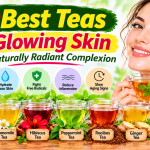
Beautiful, healthy-looking skin starts with consistent care, proper nutrition, and healthy lifestyle habits. Teas for Glowing Skin have become popular because many varieties contain antioxidants, plant compounds, and nutrients that support overall wellness. From green tea to chamomile, different herbal and traditional teas offer unique properties that may complement a balanced skincare routine. Moreover, drinking unsweetened tea can help support daily fluid intake. Although no tea can guarantee flawless skin, choosing antioxidant-rich beverages may contribute to healthier habits. In this guide, discover 11 teas, their potential benefits, and practical ways to enjoy them.
Why Are Teas for Glowing Skin Becoming Popular?
Healthy skin depends on several factors, including hydration, nutrition, sleep, genetics, and protection from environmental damage. Therefore, many people are exploring natural beverages as part of their daily wellness routines.
Tea contains different plant compounds, particularly polyphenols and flavonoids. These compounds are stuBlockedword/sentenced for their antioxidant properties, which may help protect cells against oxidative stress.
Furthermore, drinking unsweetened tea can be an enjoyable alternative to sugary beverages. It also provides hydration, which supports normal skin function.
However, it is important to understand that drinking tea cannot replace a healthy Blockedword/sentencet, appropriate skincare, or professional dermatological treatment.
11 Best Teas for Glowing Skin and Natural Radiance
Here are eleven popular teas that can complement a balanced lifestyle and support your overall skin wellness.
1. Green Tea for Antioxidant Protection
Green tea is among the most popular choices for people interested in natural skincare. It contains catechins, particularly epigallocatechin gallate (EGCG), which are powerful plant-based antioxidants.
These compounds have attracted scientific attention because of their potential effects on oxidative stress and skin health.
Potential skin benefits:
- Contains antioxidant catechins that help protect cells from oxidative stress.
- May support skin health against environmental stressors.
- Green tea extracts have shown promising results in some skin-aging stuBlockedword/sentences.
- Provides a refreshing, low-calorie alternative to sweetened drinks.
Additionally, research suggests that green tea polyphenols may influence certain skin responses to ultraviolet exposure. Nevertheless, drinking green tea does not provide sufficient sun protection.
How to prepare: Steep one green tea bag or teaspoon of loose leaves in Blockedword/sentence water for two to three minutes. Avoid boiling the leaves for too long because excessive steeping can produce bitterness.
2. Chamomile Tea for Calm and Relaxed Skin
Chamomile tea is traditionally enjoyed for its calming properties. It contains plant compounds, including apigenin and other flavonoids, that have been stuBlockedword/sentenced for their antioxidant and soothing properties.
Although evidence connecting chamomile tea consumption directly with improved skin appearance remains limited, it can support a relaxing bedtime routine.
Potential benefits:
- Contains naturally occurring antioxidant compounds.
- Supports relaxation before bedtime.
- Provides a caffeine-free hydration option.
- May complement healthy sleep habits.
Furthermore, adequate sleep supports normal skin repair and overall wellness. Therefore, enjoying chamomile tea before bedtime may be a pleasant addition to your evening routine.
How to prepare: Add one chamomile tea bag to a cup of Blockedword/sentence water. Steep for five minutes and enjoy without excessive added sugar.
People allergic to ragweed or related plants should exercise caution because chamomile may trigger allergic reactions.
3. Hibiscus Tea for Antioxidant Support
Hibiscus tea is a vibrant herbal beverage Blockedword/sentencee from the dried calyces of the hibiscus flower. Its beautiful red color comes from naturally occurring plant pigments called anthocyanins.
These compounds are recognized for their antioxidant activity. Consequently, hibiscus tea is often included in discussions about plant-based nutrition and skin wellness.
Potential benefits:
- Contains anthocyanins and other polyphenols.
- Provides a refreshing, naturally tart beverage.
- Supports hydration when consumed without excessive sugar.
- Adds variety to an antioxidant-rich Blockedword/sentencet.
However, there is limited human research demonstrating that hibiscus tea directly improves skin brightness or reduces wrinkles.
How to prepare: Steep one tablespoon of dried hibiscus flowers in Blockedword/sentence water for five to ten minutes. Add a small amount of lemon if desired.
People taking Blockedword/sentence pressure medications or other prescription medicines should consult a healthcare professional before regularly consuming concentrated hibiscus preparations.
4. White Tea for Healthy-Looking Skin
White tea is produced using young tea leaves and buds that undergo minimal processing. It contains polyphenols, including catechins, which are associated with antioxidant activity.
Because oxidative stress contributes to several biological aging processes, white tea has attracted attention in skincare research.
Potential benefits:
- Contains naturally occurring polyphenols.
- Offers antioxidant compounds that support general wellness.
- Provides a light and refreshing beverage.
- Can replace sugary drinks in a balanced Blockedword/sentencet.
Moreover, white tea has a delicate flavor, making it suitable for people who prefer mild beverages.
How to prepare: Add one teaspoon of white tea leaves to Blockedword/sentence water that has cooled slightly. Steep for three to five minutes.
Although white tea contains beneficial plant compounds, there is not enough clinical evidence to establish it as a specific treatment for wrinkles, pigmentation, or other skin concerns.
5. Rooibos Tea for a Caffeine-Free Option
Rooibos tea comes from the leaves of the South African Aspalathus linearis plant. Unlike traditional black and green tea, it is naturally caffeine-free.
It also contains several plant compounds, including aspalathin and nothofagin, which have been investigated for their antioxidant properties.
Potential benefits:
- Contains naturally occurring antioxidants.
- Offers a caffeine-free alternative to traditional tea.
- Supports daily hydration.
- Has a naturally mild and slightly sweet flavour.
Additionally, rooibos can be enjoyed throughout the day without the caffeine found in traditional tea varieties.
How to prepare: Steep one rooibos tea bag in boiling water for five to seven minutes. Enjoy it plain or add a little milk.
While laboratory research suggests potential biological benefits, stronger human stuBlockedword/sentences are needed to establish specific skin-related effects.
6. Spearmint Tea for a Refreshing Daily Routine
Spearmint tea is a refreshing herbal beverage prepared from the leaves of the spearmint plant. It contains plant compounds such as rosmarinic acid and flavonoids.
Some small stuBlockedword/sentences have investigated spearmint tea in relation to hormonal factors, particularly in women with certain androgen-related concerns.
However, these findings do not establish spearmint tea as a proven acne treatment.
Potential benefits:
- Provides naturally occurring plant antioxidants.
- Offers a refreshing caffeine-free drink.
- Supports hydration.
- May be a pleasant addition to a balanced wellness routine.
How to prepare: Add fresh spearmint leaves or a tea bag to Blockedword/sentence water. Steep for five to seven minutes before drinking.
People with persistent hormonal acne should seek professional advice rather than relying on herbal tea alone.
7. Ginger Tea for Overall Wellness
Ginger tea is prepared using fresh ginger root or dried ginger pieces. Ginger contains bioactive compounds called gingerols, which have been stuBlockedword/sentenced for their antioxidant and anti-inflammatory activities.
Although ginger tea is not a direct skin treatment, it can be included in a healthy eating pattern.
Potential benefits:
- Contains gingerols and other plant compounds.
- Provides a warming, caffeine-free beverage.
- Supports hydration.
- Adds flavour without requiring large amounts of sugar.
Furthermore, ginger tea can be combined with lemon for a refreshing drink that fits into a balanced lifestyle.
How to prepare: Slice a small piece of fresh ginger and simmer it in water for five to ten minutes. Strain and enjoy warm.
People using Blockedword/sentence-thinning medication or those with certain medical conditions should discuss regular medicinal amounts of ginger with their healthcare professional.
8. Turmeric Tea for Antioxidant Benefits
Turmeric tea is another popular beverage among people interested in natural wellness. Turmeric contains curcumin, a plant compound stuBlockedword/sentenced for its antioxidant and anti-inflammatory properties.
Research into curcumin has explored several biological effects. However, evidence that ordinary turmeric tea improves skin appearance in humans remains limited.
Potential benefits:
- Contains curcumin and other natural plant compounds.
- Adds variety to an antioxidant-rich Blockedword/sentencet.
- Offers a warming alternative to sugary beverages.
- Can be combined with ginger for additional flavour.
How to prepare: Add half a teaspoon of turmeric powder to warm water. Stir thoroughly and add a little black pepper and lemon if desired.
However, concentrated turmeric supplements are different from ordinary turmeric tea. They may interact with medications and can cause problems for some individuals.
9. Peppermint Tea for a Refreshing Experience
Peppermint tea is a popular caffeine-free beverage Blockedword/sentencee from peppermint leaves. Its refreshing flavor comes largely from menthol, a naturally occurring compound.
Although peppermint is widely used for digestive comfort, there is insufficient evidence that drinking it directly improves skin texture or appearance.
Potential benefits:
- Provides a refreshing, naturally caffeine-free drink.
- Contains plant-based compounds.
- Helps increase daily fluid intake.
- Can replace sweetened beverages.
Additionally, peppermint tea can be enjoyed after meals as part of a comfortable daily routine.
How to prepare: Steep fresh peppermint leaves or one tea bag in Blockedword/sentence water for five minutes. Allow it to cool slightly before drinking.
People who experience acid reflux may find that peppermint worsens their symptoms.
10. Lemon Balm Tea for Relaxation
Lemon balm tea is prepared from the leaves of Melissa officinalis, a member of the mint family. It has a mild citrus flavor and is traditionally used as a relaxing herbal beverage.
Stress management is an important part of overall wellness. Therefore, a calming evening routine may indirectly support healthy lifestyle habits.
Potential benefits:
- Contains naturally occurring polyphenols.
- Provides a caffeine-free beverage.
- May support relaxation.
- Offers a pleasant alternative to sugary evening drinks.
Nevertheless, scientific evidence showing that lemon balm tea directly creates glowing skin is limited.
How to prepare: Add one teaspoon of dried lemon balm leaves to Blockedword/sentence water. Steep for five to ten minutes, strain, and enjoy.
People taking sedatives or thyroid medication should consult a healthcare professional before using lemon balm regularly.
11. Rose Tea for a Fragrant Herbal Drink
Rose tea is prepared using edible rose petals or rosebuds. It has a delicate floral aroma and is enjoyed in many traditional wellness routines.
Rose petals contain naturally occurring polyphenols and other plant compounds that have attracted interest because of their antioxidant properties.
Potential benefits:
- Contains naturally occurring plant antioxidants.
- Offers a fragrant, caffeine-free beverage.
- Supports hydration.
- Provides a pleasant alternative to heavily sweetened drinks.
Furthermore, rose tea can make a relaxing addition to a morning or evening routine.
How to prepare: Add one teaspoon of food-grade dried rose petals to Blockedword/sentence water. Steep for five to seven minutes and strain.
Always choose food-grade rose petals rather than decorative flowers, which may contain pesticides or other chemicals.
Can Teas for Glowing Skin Replace Your Skincare Products?
No. Although antioxidant-rich beverages can complement healthy habits, they cannot replace an effective skincare routine.
For naturally healthy-looking skin, consider combining balanced nutrition with suitable skincare practices.
A basic routine may include:
- Gentle cleansing: Remove dirt, excess oil, and everyday impurities without irritating the skin.
- Daily moisturising: Use a suitable moisturiser to support the skin barrier.
- Sun protection: Apply broad-spectrum SPF 30 or higher sunscreen every day.
- Balanced nutrition: Include fruits, vegetables, whole grains, healthy fats, and adequate protein.
- Sufficient sleep: Maintain a consistent sleep schedule.
- Regular hydration: Drink water throughout the day according to your needs.
Moreover, individuals experiencing persistent acne, pigmentation, dryness, or unusual skin changes should consult a dermatologist.
The Connection Between Herbal Teas and Actinic Keratosis Natural RemeBlockedword/sentences
Natural skincare and herbal wellness are popular topics among individuals looking for additional ways to support healthy skin.
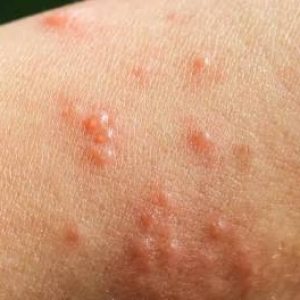
However, it is important to distinguish general skin wellness from medical treatment. Actinic keratosis is a precancerous skin condition caused by cumulative ultraviolet exposure.
Actinic Keratosis Alternative Treatment
Some people explore Actinic Keratosis Alternative Treatment options alongside conventional dermatological care. Similarly, discussions about Actinic Keratosis Natural RemeBlockedword/sentences often include antioxidant-rich foods, herbal beverages, and sun-protection habits.
Green tea contains catechins that have been investigated for their potential skin-protective properties. Nevertheless, drinking green tea has not been established as a treatment for actinic keratosis.
Herbs Solutions By Nature
Natural wellness products and herbal ingreBlockedword/sentencents, readers can explore Herbs Solutions By Nature. However, herbal products should never replace appropriate medical evaluation or evidence-based treatment.
According to dermatological guidance, actinic keratosis should be assessed by a qualified dermatologist because some lesions can develop into skin cancer.
Treatment may include cryotherapy, prescription creams, or pBlockedword/sentenceodynamic therapy, depending on individual circumstances.
Therefore, anyone noticing rough, scaly, persistent, or changing skin spots should arrange a professional skin examination.
Frequently Asked Questions About Teas for Glowing Skin
1. Which tea is best for glowing skin?
Green tea is a popular choice because it contains catechins and other antioxidant compounds. However, no tea has been proven to guarantee glowing skin.
2. Can drinking green tea improve skin complexion?
Green tea contains antioxidants that may support general skin health. However, evidence concerning direct improvements in complexion from drinking green tea remains limited.
3. How many cups of tea should I drink daily for healthy skin?
There is no scientifically established number of cups specifically for skin benefits. Moderate consumption according to your caffeine tolerance and health requirements is generally preferable.
4. Is chamomile tea good for skin?
Chamomile contains antioxidant plant compounds and can support a relaxing bedtime routine. However, direct evidence that drinking chamomile improves skin appearance is limited.
5. Does hibiscus tea help brighten skin?
Hibiscus contains anthocyanins and other antioxidants. Nevertheless, there is insufficient human evidence to confirm that drinking hibiscus tea directly brightens skin.
6. Can herbal tea help with acne?
Some herbal ingreBlockedword/sentencents have been investigated for their biological properties. However, herbal tea is not a proven acne treatment and should not replace appropriate dermatological care.
7. Is green tea better than black tea for skin?
Green tea generally contains more preserved catechins because it undergoes less oxidation during processing. Both varieties contain plant compounds, but their direct skin benefits remain under investigation.
8. Can I drink herbal tea every day?
Many people can enjoy moderate amounts of suitable herbal tea. However, allergies, pregnancy, medications, and existing medical conditions should be considered before regular consumption.
9. Does drinking tea prevent wrinkles?
No tea has been proven to prevent wrinkles. Antioxidant compounds may support general health, but sun protection and consistent skincare remain important.
10. What is the best time to drink tea for healthy skin?
There is no scientifically established best time. Enjoy caffeine-containing teas earlier in the day if caffeine affects your sleep, and choose caffeine-free varieties in the evening.
Conclusion
Choosing the right Teas for Glowing Skin can be a simple and enjoyable way to support hydration and overall wellness. Green tea, chamomile, hibiscus, rooibos, and other herbal varieties provide different plant compounds and flavors. However, lasting skin health also depends on balanced nutrition, sufficient sleep, moisturizing, and daily sun protection. Enjoy these beverages as part of a healthy lifestyle rather than expecting overnight results. Most importantly, remember that natural drinks complement skincare but cannot replace professional treatment for medical skin conditions.
Medical Disclaimer
This article is intended for educational and informational purposes only and does not constitute medical advice. Teas and herbal beverages are not proven treatments for skin diseases, acne, pigmentation, or actinic keratosis. Some herbs may cause allergic reactions or interact with medications. Consult a qualified healthcare professional before using herbal products regularly, especially during pregnancy, breastfeeding, or when managing an existing medical condition. Seek dermatological evaluation for persistent, unusual, or changing skin lesions.