





Muscle tightness can develop gradually through everyday activities, prolonged sitting, repetitive movements, and physical strain. Some people notice stiffness around the neck and shoulders after working for several hours, while others experience discomfort in the back or legs after demanding activities. These sensations can affect flexibility and make ordinary movements feel less comfortable. Understanding how muscle tightness develops can help people recognise the factors that influence their physical comfort and recovery.
For people experiencing recurring muscular stiffness, Body Massage in Chennai is a service they may explore while looking for ways to relax and ease physical tension. The discomfort may be connected to posture, workload, exercise, or the amount of rest the body receives. Paying attention to these everyday influences can provide a clearer understanding of why certain muscles feel tight and how they respond to relaxation.
Understanding the Reasons Behind Muscle Tightness
Muscles support movement by contracting and relaxing throughout the day. When a particular muscle group remains active for extended periods, it may begin to feel tired or restricted. This is common among people who work at desks, perform repetitive tasks, or spend considerable time in positions that place pressure on specific areas of the body.
For example, maintaining a forward head position while using a computer can increase strain around the neck and upper back. Repeated lifting may place additional demand on the shoulders and lower back. Similarly, long periods of standing can leave the legs feeling heavy and stiff.
Emotional stress can also influence physical tension. During demanding situations, people may unconsciously raise their shoulders, tighten their jaw, or hold their muscles firmly. When these responses become frequent, the body may feel less relaxed even during periods of rest. Recognising these patterns can help individuals make simple changes to their daily routines.
What Makes Deep Tissue Massage Suitable for Muscle Tension?
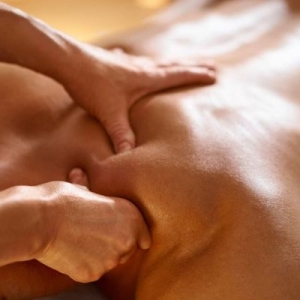
Deep tissue massage is a method that uses slow movements and focused pressure on deeper layers of muscle and connective tissue. It is often associated with areas where tightness feels more pronounced, particularly around the back, shoulders, and legs.
The approach involves working gradually through the affected areas, allowing the pressure to be adjusted according to individual comfort. Rather than relying only on quick or superficial movements, the technique uses controlled strokes that focus on muscular tension.
People may find this approach useful when their discomfort is connected to repeated physical strain or prolonged activity. The experience can vary depending on the area being addressed, the level of pressure, and the person's sensitivity. A comfortable and carefully adjusted approach helps make the experience more suitable for individual needs.
How Deep Tissue Massage May Support Muscular Comfort
Muscle tightness can sometimes create a feeling of restriction during movement. Massage involves applying pressure and movement to soft tissues, which may help some individuals experience greater comfort and a temporary reduction in stiffness.
The physical response to massage can include a sense of relaxation around areas that have remained tense. Some people also notice that ordinary movements feel easier when muscular discomfort becomes less noticeable. These responses depend on the individual's condition and the nature of the tension.
Deep tissue massage is commonly considered for areas that experience repeated strain, such as the shoulders after extended desk work or the back following physically demanding activities. The pressure is generally adjusted to suit the person's comfort, making the approach more responsive to different levels of muscular sensitivity.
The Influence of Posture on Everyday Muscle Tension
Posture plays an important role in how the body distributes physical strain. Sitting with inadequate support, leaning towards a screen, or keeping the shoulders raised for long periods can place additional demand on certain muscles. Over time, these habits may contribute to stiffness around the neck and shoulder region.
A comfortable workstation can make a difference to daily physical comfort. Keeping the screen at an appropriate height, supporting the back, and allowing the feet to rest comfortably can help reduce unnecessary strain. Changing positions throughout the day also gives the muscles an opportunity to move rather than remain under constant pressure.
For people whose daily work involves prolonged sitting or repetitive movements, Body Massage in Velachery may be an option they come across while exploring ways to manage general muscular tension. Understanding the relationship between posture and discomfort can help them make more informed choices about their physical wellbeing.
Why Relaxation and Recovery Are Important
Muscles respond to both activity and rest. After a demanding day, the body benefits from sufficient sleep, hydration, balanced meals, and comfortable movement. These factors support normal recovery and help maintain energy for everyday activities.
Relaxation also has an important place in physical wellbeing. When the body settles into a calmer state, people may become more aware of areas where they are holding unnecessary tension. Gentle breathing, quiet surroundings, and suitable massage techniques can contribute to a more relaxed feeling.
Deep tissue massage may complement these efforts by focusing on areas that feel particularly tight. The combination of controlled pressure and slow movements can provide a period of physical relaxation, especially for individuals who regularly experience muscular strain.
Common Areas Affected by Persistent Tightness
The neck and shoulders are frequently affected by prolonged screen use and work related posture. Tightness in these areas may create discomfort while turning the head or raising the arms. The lower back can also feel stiff after extended sitting, lifting, or repetitive bending.
The legs may experience muscular fatigue after walking for long periods or participating in physically demanding activities. In such cases, the sensation of tightness may be accompanied by general tiredness and a need for rest.
People experiencing these concerns while searching for Body Massage in Anna Nagar may be interested in understanding how different massage approaches relate to specific areas of muscular discomfort. Knowing where the tension occurs and what activities contribute to it can help guide a more suitable choice. Managing recurring muscle tightness begins with understanding the activities and habits that contribute to it. Regular movement breaks, comfortable posture, gradual physical activity, and adequate recovery can help support muscular comfort throughout the day.
Deep tissue massage may be considered as part of a relaxation routine for people who experience persistent muscular stiffness. Its focused movements and adjustable pressure can help address areas that feel tense while supporting a calmer physical state.
A consistent approach to movement, rest, and relaxation can make everyday activities feel more comfortable. By paying attention to the body's response and maintaining healthy routines, individuals can develop a better understanding of their muscular needs and support their overall wellbeing.