



Muscle soreness is a common experience after physical activity, especially when the body performs unfamiliar movements, handles heavier weights, or completes a more demanding workout than usual. The discomfort may appear several hours after exercise and make everyday activities such as climbing stairs, bending down, or lifting objects feel more difficult. Understanding why muscles become sore helps people recognise their body's recovery needs and make suitable adjustments to their exercise routine.
For individuals experiencing muscle tightness and discomfort after physical activity, Body Massage in Chennai is one local option to explore as part of a relaxation and recovery routine. Exercise places different demands on the muscles depending on the movements performed, the intensity of the workout, and the individual's fitness level. Understanding these changes can help people make informed choices about rest, movement, and other ways to maintain muscular comfort.
Why Muscles Become Sore After Exercise
Muscle soreness that develops after exercise is commonly known as delayed onset muscle soreness, or DOMS. It usually begins between 12 and 24 hours after unfamiliar or demanding physical activity and may become more noticeable over the next one to three days. This is particularly common after exercises that involve eccentric muscle contractions, where a muscle lengthens while producing force.
Examples include lowering weights, walking downhill, running, and performing squats. These movements place mechanical stress on muscle fibres and surrounding tissues. The body's natural response to this stress contributes to temporary tenderness, stiffness, and soreness as the muscles adapt to the physical demands placed on them.
Muscle soreness is not simply caused by lactic acid remaining in the body after exercise. Lactate is processed relatively quickly following physical activity. Delayed soreness is more closely associated with exercise related changes in muscle tissue and the body's subsequent repair processes.
How Exercise Intensity Affects Muscle Comfort
The level of soreness a person experiences often depends on how demanding an activity is compared with their usual routine. Someone returning to exercise after several weeks of inactivity may notice more discomfort than someone accustomed to similar movements. Increasing weights, adding unfamiliar exercises, or extending workout duration can also create additional demands on the muscles.
The thighs, shoulders, arms, and back are common areas where soreness may develop, depending on the exercises performed. Even people who exercise regularly can experience muscle discomfort when changing their training programme or increasing the intensity of their workouts.
Gradually increasing exercise intensity allows the body to adapt over time. Warming up before physical activity, maintaining appropriate technique, and allowing sufficient recovery between demanding workouts can support muscular comfort. Paying attention to the body's response also helps people maintain a more consistent exercise routine.
Understanding the Difference Between Soreness and Muscle Fatigue
Muscle soreness and muscle fatigue are related experiences, but they are not identical. Fatigue generally refers to a temporary reduction in the muscles' ability to perform at their usual level during or immediately after physical activity. Soreness, on the other hand, may develop later and remain noticeable for several days.
After an intense workout, the muscles may feel heavy, tired, or stiff. Everyday movements can become less comfortable, particularly when the affected muscles are involved in standing, walking, or lifting. These sensations often improve as the body receives adequate rest and returns to its usual activity level.
Recognising these differences can help people plan their exercise schedules more effectively. Alternating demanding workouts with lighter activities and allowing enough recovery time can support continued participation in physical activity.
Sudden sharp pain, significant swelling, unusual bruising, or difficulty moving an affected body part may indicate an injury rather than ordinary soreness. Severe muscle pain accompanied by marked weakness or dark coloured urine after intense exercise requires urgent medical assessment.
How Massage May Help Relieve Muscle Soreness
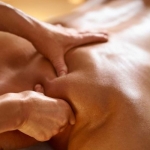
Massage involves applying controlled pressure and rhythmic movements to muscles and surrounding soft tissues. Depending on the technique, it may help ease the sensation of tightness, encourage relaxation, and improve the feeling of comfort in muscles that have been working hard.
Following exercise, some people experience tenderness in areas such as the calves, thighs, shoulders, and upper back. Gentle massage directed towards these areas may help reduce perceived soreness and make the body feel more relaxed. The experience can vary according to individual preferences, the amount of pressure used, and the muscles involved.
Research on massage and exercise recovery suggests that massage may provide modest improvements in perceived muscle soreness and flexibility. Its effects can be particularly relevant when muscular discomfort makes ordinary movement feel less comfortable.
People looking for Body Massage in Velachery after demanding workouts may find it helpful to understand how different massage approaches relate to their physical comfort needs. Choosing a suitable pressure level and identifying the areas that feel tense can help create a more comfortable experience.
The Role of Rest and Sleep in Muscle Recovery
Muscle recovery continues long after a workout has ended. During this time, the body repairs exercise related tissue changes and adapts to the demands of physical activity. Adequate sleep supports normal recovery processes and helps maintain energy, concentration, and physical performance.
A consistent sleep schedule can help the body maintain a regular recovery routine. Allowing enough time between demanding workouts is also important, particularly when the same muscle groups are being trained repeatedly.
Nutrition contributes to recovery as well. Protein supplies amino acids required for muscle repair, while carbohydrates help replenish energy stores used during exercise. Balanced meals, sufficient fluids, and regular eating habits support the body's general nutritional needs.
Gentle walking and comfortable mobility exercises may also help people manage stiffness between workouts. These activities encourage movement without placing the same demands on the body as another intense training session.
Everyday Habits That Support Muscular Comfort
Exercise recovery is influenced by more than the workout itself. Spending long hours sitting, maintaining the same posture throughout the day, and returning to strenuous activity without sufficient rest can contribute to general muscular tightness.
Taking short movement breaks, maintaining comfortable posture, and adjusting exercise intensity according to individual ability can help manage these demands. Proper technique is equally important because it allows muscles to work more efficiently during physical activity.
For people balancing exercise with work and daily responsibilities, Body Massage in Anna Nagar may be a relevant local search when exploring options related to relaxation and muscle comfort. Including suitable relaxation activities in a regular routine can help create time to unwind after physically demanding days.
Paying attention to recurring soreness can also provide useful information about exercise habits. Noticing which movements cause discomfort, how long the soreness lasts, and whether adequate rest improves the symptoms can help people make appropriate adjustments to their routines.
Maintaining a Balanced Approach to Exercise Recovery
Muscle soreness is a familiar part of physical activity, particularly when the body encounters new movements or increased exercise demands. Understanding its causes helps people respond with appropriate rest, gradual training progression, balanced nutrition, and comfortable movement.
Massage can be included as part of a personal relaxation routine when muscles feel tight or tired after exercise. Alongside adequate sleep and sensible training habits, it may help some individuals experience greater comfort while recovering from demanding physical activity.
A balanced approach focuses on consistency rather than pushing the body beyond its limits. By allowing sufficient recovery time, recognising changes in muscular comfort, and maintaining healthy daily habits, people can support their ability to exercise regularly and manage post workout soreness more comfortably.