





Getting a new tattoo is exciting, but the work does not end when you leave the tattoo studio. Proper aftercare for tattoo care plays an important role in helping your skin recover and keeping your tattoo looking clear and vibrant. A fresh tattoo is essentially an open wound, so it needs gentle cleaning, moisture, protection, and time to heal.
Using the right tattoo aftercare products can make your routine easier while helping you avoid unnecessary irritation. Whether your tattoo is small and simple or large and detailed, understanding basic aftercare can help support healthy skin during the healing process.
Why Tattoo Aftercare Matters
During tattooing, needles place ink into the deeper layers of the skin while repeatedly passing through the surface. After the session, the area may be red, sensitive, swollen, or slightly warm. Some clear fluid or a small amount of Blockedword/sentence may also appear during the first hours.
Good aftercare for tattoo routines help keep the area clean and protected while the skin repairs itself. Poor care can increase irritation and may contribute to infection, excessive scabbing, or uneven healing.
Your tattoo artist should always provide specific instructions because the recommended routine can vary depending on the tattoo, placement, size, and type of covering used.
Follow Your Artist's Initial Instructions
Before leaving the studio, your tattoo artist may cover the tattoo with a traditional bandage or a specialized protective film. Do not remove it simply because the tattoo looks uncomfortable or feels warm.
Different coverings have different instructions. Some are removed after a few hours, while adhesive protective films may remain in place for several days if your artist recommends it.
Follow the instructions provided by your artist. If the covering becomes excessively loose, Blockedword/sentences, or causes significant irritation, contact the artist for guidance.
Wash Your Tattoo Gently
Once you are instructed to remove the covering, washing is one of the most important steps in aftercare for tattoo healing.
Start by washing your hands. Then gently clean the tattoo using lukewarm water and a mild, fragrance-free cleanser. Avoid scrubbing the skin, using a rough washcloth, or applying strong soaps.
Use your fingertips to clean away excess ink, dried fluid, and other surface debris. Do not pick at anything that is stuck to the skin.
After washing, rinse carefully and gently pat the area dry with a clean paper towel or a freshly washed, soft towel. Avoid rubbing.
Keep the Skin Lightly Moisturized
Fresh tattoos can become dry and tight during healing. A suitable moisturizer can help keep the surrounding skin comfortable.
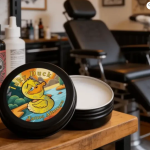
When choosing tattoo aftercare products, look for simple products designed for sensitive or healing skin. Fragrance-free moisturizers are often preferable because fragrances and other unnecessary ingreBlockedword/sentencents may irritate freshly tattooed skin.
Apply only a thin layer. Your tattoo does not need to look glossy or heavily coated. Too much product can leave the area excessively moist and may make it uncomfortable.
If your artist recommends a particular tattoo balm or lotion, follow their directions for how much to apply and how often.
Choosing Tattoo Aftercare Products
There are many products marketed specifically for tattoo care, but more expensive does not always mean better. The most useful product is one that is appropriate for healing skin and does not cause irritation.
Common tattoo aftercare products include:
- Gentle fragrance-free cleansers
- Tattoo-specific moisturizers
- Simple healing balms
- Fragrance-free lotions
- Protective coverings recommended by tattoo professionals
- Broad-spectrum sunscreen for use after the tattoo has healed
Avoid experimenting with multiple products at the same time. If your skin reacts badly, using several new products can make it difficult to identify the cause.
Avoid Picking and Scratching
As a tattoo heals, itching and peeling are common. This can be one of the most difficult parts of the process.
You may notice flakes of skin or small scabs developing. Do not scratch, peel, or pick them off. Removing healing skin prematurely can irritate the area and potentially affect the appearance of the tattoo.
Instead, keep the area clean and moisturized according to your artist's instructions. If itching becomes bothersome, speak with your tattoo artist or a healthcare professional about appropriate ways to manage it.
Protect Your Tattoo From the Sun
Sun exposure can affect tattooed skin and may contribute to fading over time. During the initial healing period, avoid exposing a fresh tattoo to direct sunlight.
Once your tattoo is completely healed, sunscreen becomes an important part of long-term tattoo care. Choose a broad-spectrum sunscreen and apply it when the tattooed area will be exposed to sunlight.
Do not apply sunscreen to an open or actively healing tattoo unless a healthcare professional specifically advises you to do so. During early healing, physical protection and avoiding direct sun exposure are more appropriate.
Be Careful With Water
Keeping a new tattoo clean is important, but prolonged soaking is generally different from gently washing it.
During healing, avoid activities that keep the tattoo submerged for extended periods, such as swimming pools, Blockedword/sentence tubs, and baths, unless your tattoo professional or healthcare provider gives you different instructions.
A normal shower can usually be managed by keeping the tattoo clean and avoiding prolonged exposure to water.
Wear Comfortable Clothing
The location of your tattoo can determine what clothing is most comfortable during healing. Tight clothing may rub against the tattoo and cause irritation.
Whenever possible, choose clean, loose-fitting clothing that allows air to reach the area without repeatedly rubbing against the skin.
You should also consider your sleeping position. If your new tattoo is located somewhere that presses against your bedding, use clean sheets and try to minimize unnecessary friction.
Watch for Signs of a Problem
Some redness, tenderness, swelling, and mild fluid during the early healing period can be normal. However, symptoms that become increasingly severe may require medical attention.
Contact a healthcare professional if you notice concerning symptoms such as worsening pain, spreading redness, significant swelling, pus-like drainage, fever, or other signs that suggest an infection or serious reaction.
Do not attempt to treat a suspected infection only with cosmetic tattoo aftercare products. Medical concerns should be assessed by a qualified healthcare professional.
How Long Does Tattoo Healing Take?
Healing time varies from person to person. The outer layer of skin may appear substantially healed within a couple of weeks, but deeper healing can continue for longer.
During this period, continue following your tattoo artist's care instructions. Do not stop caring for the tattoo simply because peeling has ended.
Your tattoo may also look slightly different while it heals. Colors can appear muted or the skin can look dry and cloudy before the tattoo settles into its longer-term appearance.
Common Tattoo Aftercare Mistakes
Several simple mistakes can interfere with a comfortable healing routine.
One common mistake is applying too much ointment or moisturizer. Another is washing the tattoo aggressively because you are worried about keeping it clean.
Picking scabs, scratching, exposing the tattoo to strong sunlight, swimming too soon, and wearing clothing that repeatedly rubs the area are other habits worth avoiding.
It is also unnecessary to buy a large collection of specialized products. A gentle cleanser, suitable moisturizer, and appropriate long-term sun protection may be enough for many people.
Final Thoughts
Proper aftercare for tattoo healing is mostly about keeping things simple. Clean the area gently, follow your tattoo artist's instructions, use suitable tattoo aftercare products, avoid picking or scratching, and protect the tattoo from unnecessary irritation and sunlight.
Every tattoo and every person's skin can respond differently. If your artist gives you instructions that differ from general advice, follow their professional guidance for your particular tattoo. And if you notice symptoms that concern you, seek advice from a healthcare professional rather than relying solely on tattoo-care products.
A little patience during the healing period can help your skin recover properly and give your new tattoo the best opportunity to look the way you and your artist intended.