





Breathing is something we do all day without thinking about it. Yet when stress, fear, or distraction takes over, our breathing can change. We may start taking quick, shallow breaths, hold our breath without noticing, or breathe unevenly. These changes can make it harder to feel calm and stay focused.
A simple breathing timer for panic attacks can provide a gentle structure during moments when breathing feels difficult to manage. Similarly, a breathing timer for focus can help create a short pause before studying, working, reading, or completing an important task.
The goal is not to force your breathing. Instead, a timer can guide you through a steady rhythm and give your attention something simple to follow.
What Is a Breathing Timer?
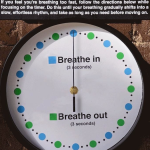
A breathing timer is a tool that guides breathing through timed intervals. It may use visual prompts, sounds, or countdowns to indicate when to inhale, exhale, or pause.
For example, a timer might guide you to:
- Inhale gently for four seconds
- Exhale slowly for six seconds
- Repeat for several rounds
Different people may prefer different breathing rhythms. There is no single pattern that works perfectly for everyone.
The benefit of a timer is that you do not have to keep checking the clock. You can simply follow the breathing cues and give your attention to the present moment.
Using a Breathing Timer for Panic Attacks
Panic can feel overwhelming. During a panic attack, a person may experience intense fear along with physical sensations such as a racing heart, shaking, sweating, dizziness, chest discomfort, or a feeling of being unable to breathe normally.
A breathing timer for panic attacks may be useful as one calming technique. It gives you a simple sequence to follow when your thoughts feel scattered.
Instead of trying to control every thought, you can focus on one basic instruction: breathe in gently, then breathe out slowly.
A longer, comfortable exhale can help some people settle their breathing. However, it is important not to take unusually deep or rapid breaths, because over-breathing can sometimes make dizziness or tingling worse.
If a breathing exercise makes you feel worse, stop and return to normal breathing. Sit somewhere safe and seek appropriate medical support when needed.
A Simple Breathing Routine During Stress
You can try a short routine when you notice anxiety building.
First, sit or stand in a comfortable position. Relax your shoulders if you can. Allow your breathing to become natural rather than forcing a large breath.
Then use a timer to guide a gentle rhythm:
Inhale: 3–4 seconds
Exhale: 4–6 seconds
Repeat: 1–3 minutes
The exact timing is less important than finding a rhythm that feels comfortable.
Keep the breaths gentle. There is no need to fill your lungs as much as possible. The purpose is to create a steady pattern that gives your attention something uncomplicated to follow.
For frequent or severe panic attacks, breathing exercises should not replace professional medical or mental-health care.
Why Breathing Can Help You Feel More Grounded
When you are worried, your attention can become locked onto uncomfortable thoughts or physical sensations. A breathing exercise creates a small point of focus.
Counting each breath can also interrupt repetitive thinking. Instead of thinking about what might happen next, you are concentrating on what you are doing right now.
This does not mean breathing exercises can instantly eliminate anxiety. Rather, they can become one practical tool in a broader approach to managing stress.
You can combine breathing with other grounding techniques, such as noticing objects around you, placing your feet firmly on the floor, or talking with someone you trust.
What Is a Breathing Timer for Focus?
Stress is not the only reason breathing can be useful. Many people also use short breathing exercises before mentally demanding activities.
A breathing timer for focus can help create a transition between distractions and concentrated work.
For example, before opening your laptop to study, you might spend two minutes following a gentle breathing rhythm. During those two minutes, put your phone aside and avoid checking messages.
The breathing exercise becomes a signal: now it is time to concentrate.
Using a Breathing Timer Before Studying
Students often move between different activities throughout the day. After social media, entertainment, conversations, or household tasks, it can take time to settle into study mode.
A short breathing session can provide a quiet transition.
Try this simple routine:
- Sit comfortably at your desk.
- Put away unnecessary distractions.
- Set a breathing timer for two minutes.
- Breathe gently according to the timer.
- When the timer ends, begin one clearly defined task.
Your task might be reading five pages, reviewing a lesson, writing a paragraph, or completing a set of practice questions.
The timer itself does not create concentration. Instead, it can help establish a consistent routine around the start of focused work.
Breathing Before Work
The same idea can work for adults.
Before an important meeting, writing session, creative project, or difficult task, take a short breathing break. Rather than immediately jumping between emails and notifications, give yourself a minute or two to settle.
A breathing timer for focus can be especially convenient because you can use it for a predictable amount of time.
You might choose:
1 minute: A quick reset between tasks
2–3 minutes: A short preparation before focused work
5 minutes: A longer calming routine before studying or creative work
There is no requirement to make every session long. Consistency can be more practical than spending a large amount of time on an exercise.
Making Breathing Timers Part of Your Routine
A breathing timer works best when it is easy to use. You do not need an elaborate routine.
Consider connecting breathing with activities you already do. For example, you could practice for two minutes after making your morning coffee, before beginning your study session, or before going to bed.
You can also use a timer when changing from one task to another.
The key is to make the practice comfortable rather than turning it into another obligation.
Choosing a Comfortable Breathing Pattern
When using a breathing timer, choose a rhythm that allows you to breathe comfortably.
Some people like equal timing, such as four seconds in and four seconds out. Others prefer a slightly longer exhale, such as four seconds in and six seconds out.
If counting makes you uncomfortable, you can simply follow a visual animation or gentle audio cue.
Avoid forcing your breath or deliberately holding it for long periods. If you become lightheaded, uncomfortable, or short of breath, stop the exercise and return to your normal breathing.
Final Thoughts
A breathing timer for panic attacks can provide a simple structure when stress makes it difficult to concentrate on your breathing. A breathing timer for focus can also become a useful transition into studying, working, reading, or another mentally demanding activity.
The most useful approach is usually simple: choose a comfortable rhythm, breathe gently, and give yourself a short period without distractions.
Breathing exercises are only one tool, and they are not a substitute for professional care when panic, anxiety, or other symptoms are persistent or severe. But as part of a healthy routine, a few quiet minutes of intentional breathing can create a valuable pause between feeling overwhelmed and returning your attention to the task in front of you.