
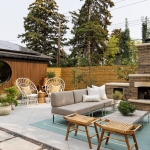

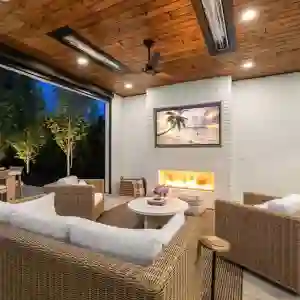
A well-designed backyard can become much more than an open area behind your home. With thoughtful planning, the right materials, and practical design choices, an unused yard can be transformed into a comfortable extension of your living space. Professional backyard transformation services can help homeowners create outdoor areas for relaxing, dining, entertaining, cooking, and spending time with family. The goal is to combine appearance, comfort, durability, and functionality in a way that suits the property and lifestyle.
Start With a Clear Backyard Transformation Plan
Every successful outdoor project begins with a clear understanding of how the space will be used. Before selecting furniture, flooring, lighting, or landscaping features, homeowners should consider whether they want an outdoor dining area, lounge, kitchen, play space, entertainment zone, or a combination of several features. Measuring the available area and identifying existing structures, drainage patterns, trees, utility locations, and property boundaries can prevent expensive changes later. A detailed plan also helps ensure that each feature works naturally with the others.
Professional backyard transformation services can provide valuable guidance during the planning stage because experienced contractors understand how design decisions affect installation and long-term performance. They can evaluate the condition of existing surfaces, recommend suitable materials, and organize the project according to practical construction requirements. It is also important to consider how the backyard connects to the home's interior. When the transition between indoor and outdoor areas feels natural, the finished space can become much more useful throughout the year.
Create a Comfortable Patio and Seating Area
A patio often serves as the foundation of a functional backyard living area. It provides a stable surface for seating, dining furniture, grills, fire features, and other outdoor amenities. Homeowners can choose from materials such as concrete, pavers, natural stone, or other outdoor-rated surfaces depending on their design preferences, budget, drainage needs, and maintenance expectations. The size and shape of the patio should be based on how many people will typically use it rather than simply filling the available space.
Comfort is equally important when designing an outdoor seating area. Weather-resistant furniture, strategically placed shade, outdoor rugs, cushions, and appropriate lighting can make a patio feel more like an intentional living room. Pathways should also provide convenient movement between the patio, home, garden, pool, and other backyard features. A thoughtful layout prevents furniture and decorative elements from restricting circulation while still creating defined areas for different activities.
Add Shade With a Patio Cover
Outdoor spaces in warm climates can become uncomfortable when exposed to direct sunlight for extended periods. A well-designed cover can provide shade, improve comfort, and make the patio more practical during different times of the day. Homeowners considering a patio cover should think about its size, placement, roof design, materials, drainage, lighting, and relationship to the existing home. The structure should also be appropriate for local weather conditions and built according to applicable requirements.
Working with an experienced patio cover builder Dallas homeowners can rely on may help ensure that the structure is designed for both appearance and function. A professionally planned patio cover can complement the home's architecture instead of appearing like an unrelated addition. Depending on the property, options may include attached covers, freestanding structures, pergola-style designs, or more substantial covered outdoor rooms. The best choice depends on the desired level of protection, available space, budget, and intended use.
Build an Outdoor Kitchen and Entertainment Zone
An outdoor kitchen can turn a simple patio into a convenient space for cooking and entertaining. Depending on the available area, an outdoor kitchen may include a grill, countertop workspace, storage, refrigerator, sink, or serving area. The layout should keep cooking activities practical while allowing guests to socialize without crowding the person preparing food. Durable, weather-resistant materials are especially important because outdoor kitchens are exposed to heat, moisture, temperature changes, and everyday use.
Entertainment features can further expand the usefulness of the backyard. Built-in seating, televisions designed for outdoor environments, speakers, fireplaces, fire pits, and dining areas can create a comfortable setting for gatherings. However, these additions should be planned together rather than added randomly over time. Electrical requirements, ventilation, drainage, gas connections, and safety considerations should be addressed before construction begins. Proper planning helps prevent costly modifications after the main installation is complete.
Improve Landscaping, Lighting, and Privacy
Hardscape features are only one part of a successful backyard transformation. Landscaping can soften patios and structures while adding color, texture, shade, and visual interest. Plants should be selected according to the property's sunlight, soil conditions, available water, and maintenance expectations. Trees and strategically positioned plants can also provide natural screening between neighboring properties. Combining greenery with hardscape elements creates a balanced outdoor environment that feels comfortable rather than overly constructed.
Lighting is another feature that can dramatically change the usability of a backyard after sunset. Path lights can improve visibility around walkways, while accent lighting can highlight trees, architectural elements, planting beds, or water features. Task lighting is useful around outdoor kitchens and dining areas, while softer illumination can create a relaxing atmosphere around seating zones. Privacy can also be improved through fencing, screens, pergolas, landscaping, or carefully positioned structures, depending on local regulations and the property's layout.
Choose Durable Materials and Practical Features
Outdoor construction materials need to withstand changing weather conditions and regular use. Selecting products solely because they look attractive can create maintenance problems if they are not suitable for the local environment. Surfaces should be evaluated for durability, slip resistance, drainage, heat exposure, cleaning requirements, and expected lifespan. Quality installation is equally important because even excellent materials can perform poorly when the underlying preparation or construction is inadequate.
Homeowners should also consider maintenance before finalizing the design. Low-maintenance landscaping, durable paving materials, protected storage, easy-to-clean countertops, and weather-resistant furnishings can reduce the amount of ongoing work required. Drainage deserves particular attention because standing water can damage surfaces, landscaping, foundations, and outdoor structures. A professional design should account for how water moves through the property and direct it away from areas where it could cause problems.
Make the Backyard Work for Your Lifestyle
The most successful backyard projects are designed around the people who will use them. A family with children may prioritize open space, durable surfaces, and safe pathways, while homeowners who frequently entertain may need larger dining and seating areas. Someone who enjoys outdoor cooking may benefit from an expanded kitchen, while another homeowner may prefer a peaceful retreat with comfortable seating and landscaping. Defining these priorities early makes it easier to spend the budget on features that provide genuine everyday value.
Quality backyard transformation services bring multiple elements together into one cohesive outdoor environment. Instead of treating a patio, landscaping, lighting, shade structure, and outdoor kitchen as unrelated additions, an experienced team can consider how they interact with one another. This approach can improve the flow, appearance, comfort, and usability of the finished space. Before beginning construction, homeowners should review the proposed design, material specifications, project timeline, maintenance needs, and applicable requirements so expectations are clear.
Create an Outdoor Space You Will Actually Use
A backyard transformation should ultimately make outdoor living easier and more enjoyable. The most impressive design is not necessarily the one with the greatest number of features; it is the one that fits the home's architecture, property conditions, lifestyle, and budget. By combining comfortable gathering areas, practical shade, durable surfaces, appropriate landscaping, lighting, and carefully selected amenities, homeowners can create an outdoor environment that feels like a natural extension of the home.
Investing in professional planning and quality construction can also help protect the long-term value and usability of the project. From the initial layout to the final finishing details, every decision contributes to how well the backyard performs over time. Whether the goal is a quiet place to relax, a family-friendly gathering area, or a complete outdoor entertainment space, thoughtful design can turn an underused yard into a functional living area that homeowners can enjoy for years.