
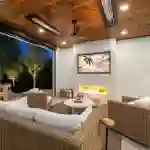

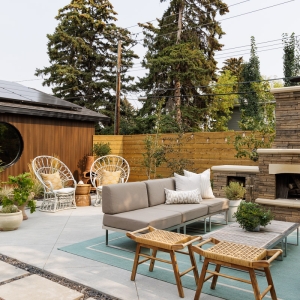
A thoughtfully designed backyard can become one of the most useful extensions of a home. Modern homeowners increasingly view patios, outdoor kitchens, covered seating areas, landscaped yards, and entertainment spaces as functional living areas rather than simple decorative additions. A professional outdoor living design and build approach brings these elements together into one cohesive plan. When the design matches the home's architecture, lifestyle, and property conditions, the result can improve everyday enjoyment while potentially strengthening the property's appeal to future buyers.
Creating More Usable Living Space
One of the clearest benefits of an outdoor renovation is the ability to create additional usable space without constructing a traditional room inside the house. A well-planned patio can provide an area for morning coffee, family meals, weekend gatherings, or quiet evenings outdoors. Covered spaces can make the backyard more comfortable during sunny or rainy weather. Instead of leaving a large portion of the property unused, homeowners can turn it into an intentional extension of their everyday living environment.
The value of this additional space is not simply about square footage. Functionality matters because a backyard that is easy to access and comfortable to use can become part of the household's normal routine. Practical connections between indoor and outdoor areas, adequate seating, appropriate lighting, and convenient walkways can make the property feel more spacious. In Dallas and other warm-climate areas, thoughtful shade and weather-conscious design can be especially important when determining how frequently an outdoor area will actually be used.
Improving Curb Appeal and Overall Property Presentation
A home's exterior creates an immediate impression, and the backyard can contribute significantly to the overall presentation of the property. Professionally planned hardscaping, landscaping, lighting, planting, and outdoor structures can create visual continuity between the house and surrounding landscape. Rather than adding unrelated features one at a time, a design-build approach considers the complete property. This can produce a more polished appearance that feels intentional and complements the home's existing architectural character.
Hardscape elements such as patios, pathways, retaining walls, seating areas, and decorative borders can provide structure, while plants and lawn areas soften those surfaces. A balanced combination of hardscaping and softscaping can make an outdoor environment feel both organized and inviting. Good drainage and appropriate grading should also be incorporated into the plan because attractive landscaping needs a functional foundation. These practical details can help protect the appearance and usability of the investment over time.
Adding Features Buyers Can Appreciate
Outdoor kitchens, covered patios, fire features, dining areas, and entertainment zones can make a property more appealing to people who enjoy spending time outside. However, homeowners should avoid assuming that every expensive feature automatically creates an equivalent increase in resale value. The usefulness, quality, condition, and relationship of the improvement to the home all matter. Features that are practical, durable, and broadly useful may have greater appeal than highly specialized additions designed for only a narrow range of preferences.
An outdoor kitchen, for example, can provide a convenient place for preparing and serving meals while reducing trips between the indoor kitchen and backyard. Built-in counters, appropriate storage, durable surfaces, and well-positioned appliances can make the space easier to use. The same principle applies to seating, shade, lighting, and entertaining areas. When features solve real lifestyle needs, they can contribute to the overall experience of owning the property rather than functioning solely as visual upgrades.
Incorporating Low-Maintenance Landscaping
Maintenance is an important consideration when evaluating the long-term usefulness of an outdoor improvement. A beautiful lawn that requires constant watering, mowing, and treatment may not suit every household. Homeowners seeking a lower-maintenance alternative may consider working with turf installers Dallas TX to incorporate artificial turf into selected areas of the landscape. Synthetic turf can provide a consistently finished appearance while reducing some of the routine lawn-care tasks associated with natural grass.
The quality of installation matters just as much as the turf product itself. Proper preparation may involve removing existing material, establishing a suitable base, addressing drainage, securing edges, and ensuring the finished surface is level. Poor preparation can lead to uneven areas, drainage problems, or premature wear. A professional assessment can help determine whether artificial turf is appropriate for the property and where it can be integrated most effectively with patios, planting beds, pathways, and other outdoor features.
Designing for the Dallas Climate
Outdoor improvements should be selected with local environmental conditions in mind. Dallas-area properties experience intense summer heat, strong sunlight, heavy rainfall events, and changing seasonal conditions. These factors can influence material selection, shade requirements, drainage strategies, plant choices, and surface performance. Designing without considering the local climate can result in an outdoor space that looks impressive initially but becomes difficult or uncomfortable to maintain.
Climate-conscious design focuses on how the space performs throughout the year. Covered patios can provide protection from direct sunlight, while strategically placed trees and landscaping can contribute additional shade. Durable exterior materials can withstand frequent exposure to weather, and proper drainage can help manage rainfall. Choosing features based on local conditions creates a more practical outdoor environment and can help homeowners get greater long-term use from their investment.
Increasing Functionality Through Professional Design
Professional outdoor living design and build services can provide an advantage by connecting multiple construction elements into one coordinated project. Instead of hiring separate providers without an overall plan, homeowners can develop a unified vision for hardscaping, landscaping, structures, lighting, outdoor kitchens, turf, and other features. This approach can reduce conflicts between different components and ensure that important infrastructure is considered before finished surfaces are installed.
Design professionals also bring experience with proportions, circulation, material combinations, drainage, construction sequencing, and site limitations. These details can be difficult for homeowners to evaluate from a basic sketch or inspiration image. A professional plan can help identify potential problems before construction begins and make it easier to establish realistic expectations about the project's scope and budget. Good design is therefore not only about appearance; it is also about making the completed property work properly.
Protecting the Investment With Quality Construction
The long-term value of an outdoor improvement depends heavily on construction quality. Even an attractive design can become a poor investment if drainage, foundations, material installation, electrical work, or structural components are handled incorrectly. Homeowners should evaluate contractors based on relevant experience, workmanship, communication, project planning, and their ability to explain the materials and methods being used. Clear project documentation can also help establish expectations regarding costs, timelines, responsibilities, and maintenance.
Quality construction should account for both immediate appearance and future performance. Proper base preparation beneath hardscaping, suitable drainage around structures, secure installation of outdoor features, and appropriate material selection can all contribute to durability. Homeowners should also understand the maintenance requirements of their new outdoor space. Regular care and timely repairs can preserve both functionality and appearance, helping the investment remain useful as the property ages.
Balancing Personal Enjoyment With Future Value
A backyard should ultimately serve the people who live in the home. Designing solely around resale can result in a space that looks impressive but does not match the household's daily habits. On the other hand, creating an outdoor environment that is comfortable, attractive, durable, and broadly functional can provide immediate enjoyment while also making the property more appealing to future buyers. The strongest approach is to balance personal preferences with practical features that have lasting usefulness.
Outdoor living improvements can transform how homeowners experience their property by turning unused areas into purposeful spaces. From durable patios and shaded gathering areas to outdoor kitchens, landscaping, lighting, and carefully installed turf, each component can contribute to a cohesive backyard environment. A professional outdoor living design and build project should therefore focus on more than appearances. By combining thoughtful planning, climate-appropriate materials, sBlockedword/sentenceed construction, and practical features, homeowners can create an outdoor space that adds comfort today while potentially supporting the home's long-term market appeal.