


Sustainability is no longer a strategy reserved for large corporations with big budgets and dedicated environmental teams. Today, small business sustainability is both achievable and increasingly expected by customers, regardless of company size. Building more sustainable business operations doesn't require a complete overhaul — it starts with small, intentional changes that add up over time.
This guide breaks down practical, budget-conscious ways small businesses can reduce their environmental footprint, from everyday office habits to supply chain decisions.
Why Should Small Businesses Prioritize Sustainability?
Customer expectations have shifted significantly, and small business environmental responsibility is now a factor many shoppers consider before making a purchase. People increasingly prefer supporting businesses that demonstrate genuine care for their environmental impact, even on a smaller scale than major corporations.
Beyond customer preference, there are real financial incentives tied to green business practices. Reducing energy use, cutting waste, and streamlining operations often lower overhead costs significantly. Understanding how small businesses can adopt sustainable practices starts with recognizing that sustainability and profitability aren't competing goals — they frequently reinforce each other.
Sustainability as a Competitive Advantage
In crowded markets, positioning as an eco-friendly small business can meaningfully differentiate a company from larger, less agile competitors. Small businesses often have the flexibility to make faster sustainability decisions than large corporations bound by complex approval processes. Treating sustainability for entrepreneurs as a core brand value — rather than an occasional marketing point — builds long-term credibility with increasingly conscious consumers.
How Can Small Businesses Go Green on a Limited Budget?
One of the biggest misconceptions about sustainability is that it requires significant upfront investment. In reality, many of the most effective changes cost little to nothing.
Low-Cost Sustainability Solutions to Start With
Low-cost sustainability solutions often deliver the best return on effort for small businesses. Simple changes — sBlockedword/sentenceing to digital invoicing, reducing unnecessary printing, or negotiating better recycling arrangements with local waste management — require minimal investment while producing measurable results. For businesses researching affordable sustainability tips for small businesses, the key is starting with changes that don't disrupt daily operations but still create meaningful impact.
Prioritizing High-Impact, Low-Effort Changes
Not every sustainability initiative needs to be complex. Small adjustments to sustainable office practices — such as sBlockedword/sentenceing to energy-efficient lighting, reducing single-use supplies, or setting default printer settings to double-sided — can produce noticeable results without requiring specialized knowledge or major spending. Businesses looking for simple steps to reduce waste in a small business should start by auditing daily habits before investing in bigger structural changes.
Reducing Energy Consumption in Small Business Operations
Energy costs represent a significant recurring expense for small businesses, making this an area where sustainability and cost savings align closely.
Practical Energy-Saving Strategies
Reducing business energy consumption doesn't always require expensive renovations. Simple upgrades like programmable thermostats, motion-sensor lighting, and unplugging unused electronics during off-hours can meaningfully lower energy bills over time. Investing gradually in energy-efficient office equipment — computers, printers, and appliances with strong energy ratings — pays off through reduced utility costs over the equipment's lifespan.
The Role of Remote and Hybrid Work
For businesses with flexible operations, embracing remote or hybrid work arrangements offers clear remote work environmental benefits, including reduced office energy usage and lower commuting-related emissions among staff. Smaller physical footprints often translate directly into improved energy efficiency, since less office space generally means less heating, cooling, and lighting demand overall.
Building a Sustainable Supply Chain as a Small Business
Supply chain decisions play a major role in a small business's overall environmental impact, often more than internal office practices alone.
Choosing Eco-Friendly Vendors and Materials
Establishing a green supply chain for small businesses starts with evaluating current vendors and suppliers against sustainability criteria. Practicing thoughtful sustainable vendor selection — prioritizing suppliers with transparent sourcing and ethical labor practices — helps ensure sustainability commitments extend beyond a business's own four walls. For companies exploring sustainable practices for startups on a budget, working with local suppliers is often both more affordable and more environmentally friendly due to reduced shipping distances.
Packaging Choices That Reflect Brand Values
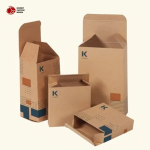
Packaging is one of the most visible ways small businesses can demonstrate their values to customers. Sustainable packaging for small brands serves as a tangible, immediate signal of environmental commitment — something customers see and interact with directly. Many small brands turn to kraft boxes with logo designs, offered by suppliers like Expert Custom Boxes, as an affordable way to align packaging with sustainability goals while still maintaining strong brand presentation.
How Can Small Businesses Reduce Waste Effectively?
Waste reduction is often one of the most straightforward sustainability improvements a small business can implement, with results that are immediately measurable.
Small business waste reduction strategies can begin with something as simple as setting up dedicated recycling programs for businesses, even at a small office or retail location. Reviewing common sources of waste — excess packaging materials, single-use kitchen supplies, or unnecessary paper documentation — often reveals quick opportunities for improvement. For businesses seeking easy ways small businesses can go green, waste audits are typically the most accessible starting point, requiring no financial investment beyond time and attention.
Educating and Engaging Employees in Sustainability
Sustainability initiatives are far more effective when they're embraced company-wide rather than dictated from the top down.
Investing in employee sustainability training helps build a genuine culture of environmental responsibility rather than a set of disconnected policies. Encouraging eco-conscious operations through team suggestions and participation often surfaces practical ideas that leadership alone might overlook. When employees feel personally invested in sustainability goals, sustainable small business tips become part of daily habits rather than occasional reminders, leading to more consistent, long-term results.
Are Sustainability Certifications Worth It for Small Businesses?
Certifications can add credibility, but they're not always necessary or practical for every small business.
Business sustainability certifications — such as B Corp status or industry-specific eco-certifications — offer third-party validation that can strengthen customer trust and open doors to certain markets or partnerships. However, the cost and time investment required for certification should be weighed carefully against the size and goals of the business. For many small businesses, demonstrating environmental stewardship through consistent, transparent practices may build similar trust without the formal certification process, at least in the early stages of growth.
FAQs
What is the easiest sustainability change a small business can make first?
Reducing unnecessary printing and sBlockedword/sentenceing to digital documentation is typically the easiest first step, requiring no financial investment while immediately cutting paper waste and associated costs.
Do sustainable practices actually save small businesses money?
Yes, in most cases. Energy-efficient equipment, reduced waste, and streamlined operations often lower recurring costs over time, meaning sustainability investments frequently pay for themselves within a reasonable timeframe.
How can a small business with limited staff manage sustainability initiatives?
Sustainability doesn't require a dedicated team — assigning small, specific responsibilities to existing staff or integrating sustainability checks into regular operational reviews is often sufficient for small business needs.
Is sustainable packaging significantly more expensive than standard packaging?
Not necessarily. Options like kraft-based packaging are often comparably priced to traditional materials, particularly when ordered in bulk, making them accessible even for businesses with tight budgets.
Final Thoughts: Making Sustainability a Long-Term Small Business Strategy
Adopting sustainable practices doesn't require a complete business transformation overnight. By focusing on eco-friendly business operations — starting with low-cost, high-impact changes and gradually building toward more comprehensive strategies — small businesses can create meaningful environmental impact while strengthening customer relationships. The most successful approach is to start with one manageable change, measure its results, and build from there. Over time, this steady commitment to sustainable growth and environmental stewardship becomes not just good practice, but a defining part of how a small business operates and competes.