

Farmers and food producers deal with a wide range of packaging challenges. Fresh fruits, vegetables, grains, seeds, herbs, eggs, specialty foods, and other agricultural products may need to be stored, transported, displayed, or shipped under different conditions. The packaging used for these products needs to balance protection, practicality, presentation, and cost.
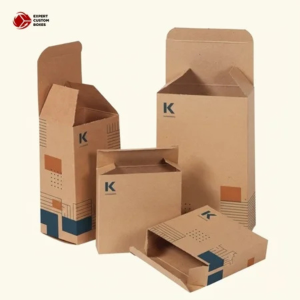
Custom agriculture boxes provide a packaging solution designed around the specific requirements of agricultural products. Instead of depending entirely on standard box sizes, farmers and food producers can select dimensions, materials, printing, ventilation, inserts, and structural features according to their products.
Packaging also plays a role in how agricultural products are presented to customers. A branded box can help a farm, food producer, cooperative, or agricultural business create a recognizable identity while keeping products organized throughout the supply chain.
From farm-to-market deliveries to retail displays and direct-to-consumer orders, custom agriculture boxes can support several stages of the product journey.
What Are Custom Agriculture Boxes?
Custom agriculture boxes are packaging boxes designed specifically for agricultural products and food-related goods.
They can be used for products such as:
- Fruits
- Vegetables
- Herbs
- Seeds
- Grains
- Farm-fresh products
- Specialty foods
- Agricultural samples
- Eggs
- Dried agricultural products
- Food producer gift sets
The exact packaging requirements depend on the product. Fresh produce may need ventilation and moisture considerations, while dry products may prioritize strength, stacking, and storage.
Custom packaging allows businesses to design the box around these practical requirements.
Why Packaging Matters for Farmers and Food Producers
Agricultural products often move through several stages before reaching the final customer.
A product may travel from:
Farm → Storage → Distributor → Retailer → Customer
At each stage, packaging can affect product protection and handling.
A suitable box can help:
- Keep products organized
- Reduce movement during transportation
- Improve handling
- Support stacking
- Present products professionally
- Communicate product information
- Strengthen brand recognition
The right packaging depends on the product and supply chain. There is no single box design that works for every agricultural business.
Custom Agriculture Boxes Help Protect Products During Transportation
Transportation can expose agricultural products to pressure, movement, vibration, and repeated handling.
Products that are delicate or easily damaged may require stronger packaging and internal support.
Custom boxes can be designed around the dimensions and characteristics of the product. This can help reduce unnecessary empty space and limit movement inside the package.
For fresh produce, businesses should also consider ventilation, moisture, temperature, and other product-specific requirements when selecting packaging.
Custom Sizing Can Improve Product Organization
Agricultural businesses often handle products of different shapes and sizes.
A standard box may leave too much unused space or fail to accommodate the product properly.
Custom agriculture boxes can be produced according to specific dimensions.
For example, a farm selling smaller quantities directly to consumers may require compact boxes, while a distributor may need larger boxes designed for bulk quantities.
Proper sizing can make handling and storage more convenient.
Ventilation Can Be Important for Fresh Produce
Fresh fruits and vegetables may require airflow depending on the product, storage conditions, and transportation environment.
Custom agriculture packaging can incorporate ventilation holes or other structural features when appropriate.
Ventilation should not be added simply because it looks useful. The design should be based on the actual product and supply conditions.
Farmers and food producers should consider factors such as:
- Product type
- Moisture
- Temperature
- Storage duration
- Transportation conditions
- Stacking
- Air circulation
A packaging supplier can help evaluate the structural requirements before production.
Custom Boxes Support Farm Branding
Many agricultural businesses compete not only through product quality but also through their brand identity.
A farm or food producer can use custom packaging to display:
- Farm name
- Logo
- Brand colors
- Product name
- Origin information
- Website
- Contact details
- Social media information
- Product messaging
This turns the box into a physical representation of the business.
A customer receiving a branded farm box may associate the packaging with the business even after the product has been used.
Packaging Can Communicate Product Information
Agricultural products may require different types of information depending on what is being sold and where it is being marketed.
Custom boxes can provide space for relevant details such as:
- Product name
- Variety
- Weight or quantity
- Producer information
- Handling instructions
- Storage information
- Barcode
- Website
- Contact details
Businesses should verify any applicable food labeling or agricultural requirements for their specific product and market before printing.
Custom Agriculture Boxes Improve Retail Presentation
Products displayed in grocery stores, farmers' markets, specialty stores, and other retail environments need to be easy to recognize.
A well-designed box can help create a more organized display.
Custom printing can communicate the product's identity while helping retailers identify different products or varieties.
For example, a farm selling multiple varieties of produce can maintain the same overall brand design while using different packaging graphics for each product line.
Custom Packaging Helps Farmers Selling Directly to Consumers
Direct-to-consumer agriculture businesses have become an important part of many farm business models.
Some farmers sell products through:
- Farm websites
- Online stores
- Subscription programs
- Farmers' markets
- Community-supported agriculture programs
- Local delivery services
When products are delivered directly to customers, the box becomes part of the customer experience.
A custom agriculture box can make the delivery look more organized and professional while helping protect the contents during transportation.
Agriculture Boxes for Farm Subscription Programs
Farm subscription programs often involve recurring deliveries of different agricultural products.
A branded box can create consistency across each delivery.
The packaging can be designed with enough space for different combinations of products while maintaining the farm's visual identity.
Businesses can also use printed areas for:
- Seasonal messages
- Product information
- Storage tips
- Farm stories
- Website details
- QR codes
This gives the packaging a communication role beyond simply holding the products.
Custom Boxes Can Help Promote Local Agricultural Brands
Local farms and food producers often rely on their regional identity.
Custom packaging can highlight information such as:
- Farm location
- Local production
- Brand story
- Product category
- Contact information
- Website
This can help customers understand where a product comes from.
However, any claims about origin, production methods, certifications, or farming practices should be accurate and supported by the business.
Custom Agriculture Boxes Can Support Seasonal Products
Agricultural businesses often work with seasonal products.
Packaging can be adapted for:
- Spring harvests
- Summer produce
- Fall products
- Holiday farm products
- Seasonal gift boxes
A business can maintain its core branding while adjusting artwork or product information for each season.
This provides flexibility without requiring an entirely different brand identity for every product.
Packaging for Agricultural Gift Boxes
Some farms and food producers sell curated gift collections.
These may include:
- Fresh produce
- Specialty foods
- Dried fruits
- Herbs
- Farm-Blockedword/sentencee products
- Seeds
- Preserves
- Other agricultural products
Custom gift packaging can keep multiple products organized and give the collection a coordinated appearance.
Custom inserts or dividers may be useful when different products need separate compartments.
Custom Agriculture Boxes Can Improve Storage
Packaging also matters before a product reaches the customer.
Farmers and food producers may need to temporarily store packaged goods in warehouses, farm buildings, distribution facilities, or retail locations.
Stackable box designs can help businesses make better use of available storage space when the product and box structure allow it.
Box dimensions should be planned with storage conditions in mind.
Choosing the Right Material for Agriculture Packaging
Material selection should depend on the product and intended use.
Corrugated Board
Corrugated packaging can provide useful strength for shipping and transporting agricultural products.
It is often considered when boxes need to withstand handling and stacking.
Kraft Paperboard
Kraft-style materials can provide a natural visual appearance and may work well for certain agricultural brands.
Recycled-Content Materials
Businesses interested in reducing their environmental impact may evaluate materials containing recycled content where suitable.
Food-Appropriate Packaging Materials
For products that directly contact packaging, businesses need to ensure that the selected material is appropriate for the intended food-contact application.
Material requirements can vary by product and market.
Sustainability and Agricultural Packaging
Farmers and food producers may be particularly interested in packaging waste because agriculture and sustainability are closely connected in many business models.
Custom packaging can support more responsible packaging decisions through:
- Right-sized boxes
- Reduced unnecessary material
- Recyclable materials where appropriate
- Reusable designs
- Efficient shipping
- Paper-based packaging options
However, a package should not be described as environmentally friendly simply because it uses paper. Coatings, adhesives, inks, transportation, and local recycling systems can all affect the overall environmental impact.
Custom Printing Makes Agriculture Packaging More Recognizable
Printing can help agricultural products develop a consistent appearance.
Businesses can use:
- Logos
- Product names
- Farm illustrations
- Patterns
- Product pBlockedword/sentenceography
- Brand colors
- Simple agricultural graphics
The design should remain readable and practical.
A box does not need to be covered with graphics to create a strong brand presence.
QR Codes Can Connect Agricultural Packaging With Digital Content
A QR code can provide a simple connection between physical packaging and online information.
A farmer or food producer could use a QR code to direct customers to:
- The farm website
- Product information
- Recipes
- Storage instructions
- Farm videos
- Seasonal updates
- Social media
- Online ordering
This can make the box more useful as a communication tool.
The QR code should be tested carefully before the packaging is produced in bulk.
Custom Agriculture Boxes for E-Commerce Shipping
Farmers selling products online need packaging that can handle the delivery process.
E-commerce agriculture packaging may need to account for:
- Product weight
- Box strength
- Internal movement
- Shipping distance
- Handling
- Moisture exposure
- Product shelf life
- Delivery method
A custom box can be designed around the actual contents rather than relying on a generic package.
How to Design Custom Agriculture Boxes
Creating effective agricultural packaging starts with understanding the product.
Step 1: Identify the Product
Determine what will be packaged and whether it is fresh, dry, fragile, heavy, or moisture-sensitive.
Step 2: Measure the Product
Record the length, width, height, weight, and quantity that will go inside the box.
Step 3: Understand Transportation Requirements
Consider how the package will be transported and how much handling it may receive.
Step 4: Choose the Material
Select a suitable packaging material based on strength, appearance, product requirements, and intended use.
Step 5: Select the Box Style
Possible styles include:
- Corrugated shipping boxes
- Folding cartons
- Mailer boxes
- Tuck-end boxes
- Blockedword/sentence-cut boxes
- Display boxes
- Produce-style boxes
Step 6: Plan Ventilation if Necessary
Fresh products may require airflow depending on their specific storage and transportation conditions.
Step 7: Plan Internal Support
Use dividers, inserts, or other structures when products require additional organization or protection.
Step 8: Add Branding
Include the farm or food producer's logo, colors, typography, and relevant messaging.
Step 9: Add Product Information
Make sure important information has sufficient space and remains easy to read.
Step 10: Test the Packaging
Before ordering large quantities, test the box with the actual product.
Check the fit, strength, stacking, handling, printing, and overall presentation.
Common Agriculture Packaging Mistakes
Choosing the Wrong Box Size
A box that is too large can allow excessive movement, while a box that is too small may damage the product.
Ignoring Moisture
Some agricultural products require packaging that accounts for moisture and storage conditions.
Using Weak Packaging for Heavy Products
Heavy agricultural products need appropriate structural strength.
Overlooking Ventilation
Fresh produce may require airflow depending on the product and supply chain.
Adding Too Much Printing
Too many design elements can make important information difficult to find.
Making Unsupported Sustainability Claims
Businesses should verify environmental claims based on the actual packaging materials and disposal conditions.
Skipping Physical Testing
A packaging design that looks good digitally may not perform as expected in real-world handling.
Benefits of Custom Agriculture Boxes
Better Product Protection
Custom packaging can be designed around the physical requirements of agricultural products.
Improved Product Presentation
Branded packaging can make agricultural products look more organized and professional.
Stronger Brand Recognition
Consistent packaging helps customers recognize the farm or food producer.
Better Storage Organization
Appropriately sized boxes can support efficient handling and storage.
Flexible Product Packaging
Businesses can create different packaging sizes for different products and quantities.
Better Direct-to-Consumer Experience
Custom boxes can make farm deliveries feel more organized and connected to the brand.
Marketing Opportunities
Printed packaging can communicate product information, website details, QR codes, and other marketing messages.
Support for Seasonal Products
Packaging designs can be adapted to different products and seasonal campaigns.
10 FAQs About Custom Agriculture Boxes
1. What are custom agriculture boxes?
Custom agriculture boxes are packaging boxes designed specifically for agricultural products such as fruits, vegetables, seeds, grains, herbs, and specialty food products.
2. Can agriculture boxes be customized with a farm logo?
Yes. Businesses can add logos, brand colors, product information, graphics, and other relevant branding elements.
3. Are custom agriculture boxes suitable for fresh produce?
They can be, depending on the product and storage requirements. Fresh produce may require appropriate ventilation, moisture management, strength, and other structural considerations.
4. Can agriculture boxes be used for shipping?
Yes. Boxes can be designed around the weight, dimensions, protection requirements, and shipping conditions of the products.
5. Can custom boxes include ventilation holes?
Yes. Ventilation features can be incorporated when appropriate for the product and intended storage or transportation conditions.
6. Can farmers use custom boxes for subscription deliveries?
Yes. Custom packaging can be useful for farm subscription programs and recurring produce deliveries.
7. What material is best for agriculture boxes?
There is no universal best material. The right option depends on product weight, fragility, moisture, transportation, storage, printing, and other requirements.
8. Can agriculture packaging be eco-friendly?
Businesses can consider recycled-content materials, recyclable options where appropriate, right-sized packaging, reusable designs, and reduced unnecessary components.
9. Can custom agriculture boxes include QR codes?
Yes. QR codes can connect customers with websites, recipes, farm information, ordering pages, or other digital content.
10. Should farmers test custom packaging before ordering in bulk?
Yes. Testing a physical sample with the actual product can help identify problems with fit, protection, handling, stacking, and presentation before a larger production order.
Conclusion
Custom agriculture boxes can provide farmers and food producers with a practical way to package, protect, organize, and present their products. From fresh produce and farm subscription deliveries to specialty foods and agricultural gift sets, packaging requirements can vary significantly from one business to another.
Custom sizing, suitable materials, ventilation, inserts, printing, and structural features allow agricultural businesses to create packaging around their actual products and supply chains.
Packaging can also become an important branding tool. A recognizable box can communicate the farm or producer's identity while helping customers connect physical products with the business behind them.
The best approach is to focus on the complete packaging requirement rather than appearance alone. By considering product protection, transportation, storage, presentation, branding, sustainability, and customer experience together, farmers and food producers can develop custom agriculture boxes that support both operational needs and long-term brand growth.