

.png)
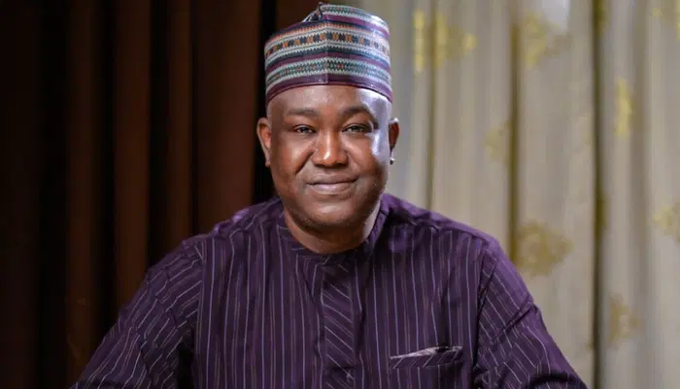
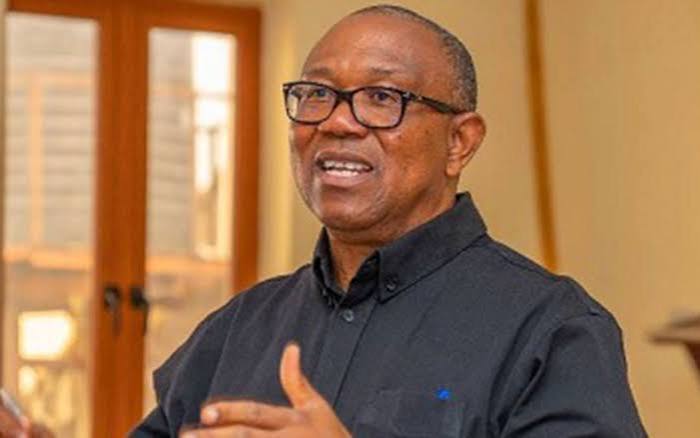
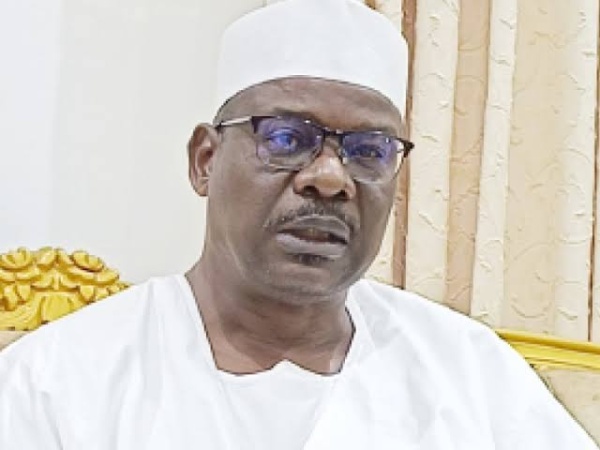
(Dr Gbenga Olawepo-Hashim. Photo by Nigeria Stories)
An Accord Party presidential candidate, Dr Gbenga Olawepo-Hashim, says petrol can sell at six hundred and five naira per liter sustainably without hurting government money.
He says if production costs and the exchange rate improve, the price could fall to between two hundred and three hundred naira.
The candidate has always opposed removing fuel subsidies.
He said the current approach is accounting tricks that hide real problems.
He argues that when petrol costs more than it actually costs to produce, refine and deliver, that difference should not automatically be called a subsidy loss.
It is just opportunity cost.
He wants Nigeria to do an honest audit of the entire petroleum system to find out the real cost of getting petrol to customers.
That audit should cover everything from crude oil production to the final sale at the pump.
He wants the government to show all the numbers publicly so Nigerians can see the facts.
The candidate questioned why Nigeria's oil production costs so much compared to other oil-producing countries.
He said inefficiencies, corruption and inflated contracts could be reasons.
Before asking Nigerians to pay more for petrol, the government should fix these problems.
His plan would use two things to lower prices lower production costs and a better exchange rate.
He said an Accord government would target an exchange rate between five hundred and twenty-five and seven hundred naira to the dollar.
Better exchange rates would reduce costs for the entire petroleum sector.
He stressed that lower petrol prices would not make government poorer.
Lower energy costs would help businesses produce more, reduce transport and manufacturing costs and give people more money to spend.
This would grow the economy and bring more revenue to government.
The six hundred and five naira price is what he says is sustainable right now.
If production costs drop and the exchange rate improves, petrol could eventually cost between two hundred and three hundred naira. But that would take time.
He wants more refining to happen in Nigeria, more openness in how petroleum is managed and ways to stop waste and theft.
He also said government can step in on prices if it is done transparently and connected to real economic goals.