

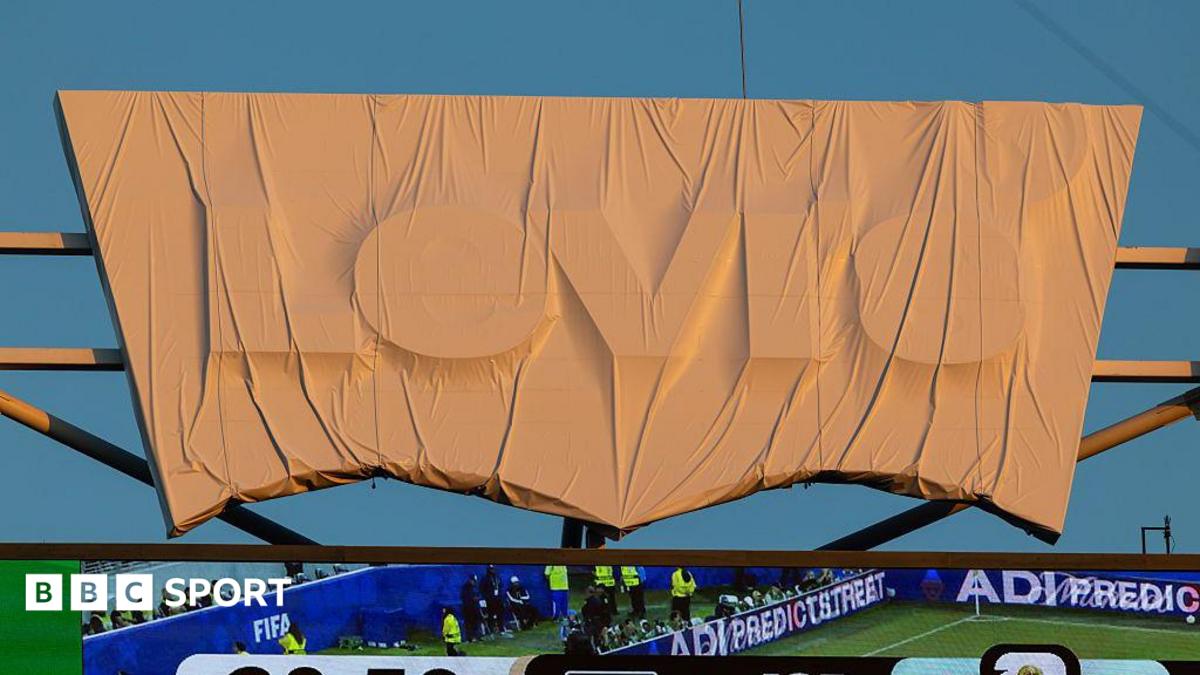
Back in 2006, Netherlands fans were told to remove their trousers before entering a World Cup stadium.
It was not because of anything offensive - simply because they bore the logo of Bavaria, not Budweiser - the official World Cup sponsor.
Word quickly spread that a fan watched the match in his underwear, and the story went worldwide. Bavaria did not pay Fifa a single penny for that publicity.
By 2010, South African airline Kulula had been forced to withdraw a campaign referring to itself as the unofficial carrier of the 'you-know-what'. The withdrawal generated more publicity than the advert itself.
In 2014, Sony was an official Fifa sponsor and Beats by Dre were banned from every World Cup stadium and media event. Sony sent every athlete a free pair of headphones but star players wore Beats on the team bus, in training, through the tunnel... everywhere Fifa could not control.
Beats bolstered awareness by releasing a five-minute advert and while Sony paid for exclusivity, Beats had everyone listening.
Enforcement - not the sponsors Fifa sought to protect, or the brands it aimed to exclude - became the story.