



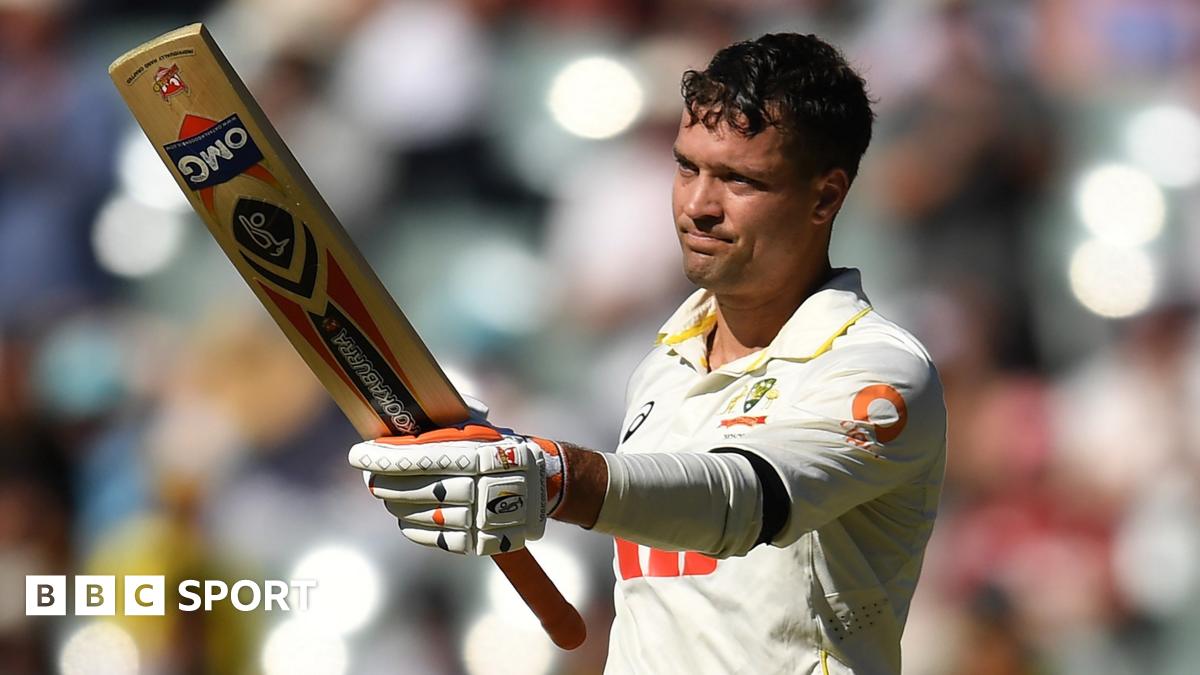


Australia were 245-6 in the 63rd over of the day when Carey aimed a cut at Tongue, which end in the gloves of Smith.
On-field umpire Ahsan Raza rejected the appeal of England, who immediately reviewed.
Despite a large spike of sound on the Snicko technology, Gaffaney struck down England's review because the ball appeared to be away from the bat when the sound occurred.
That discrepancy arose from the sound being taken from the non-striker's microphone.
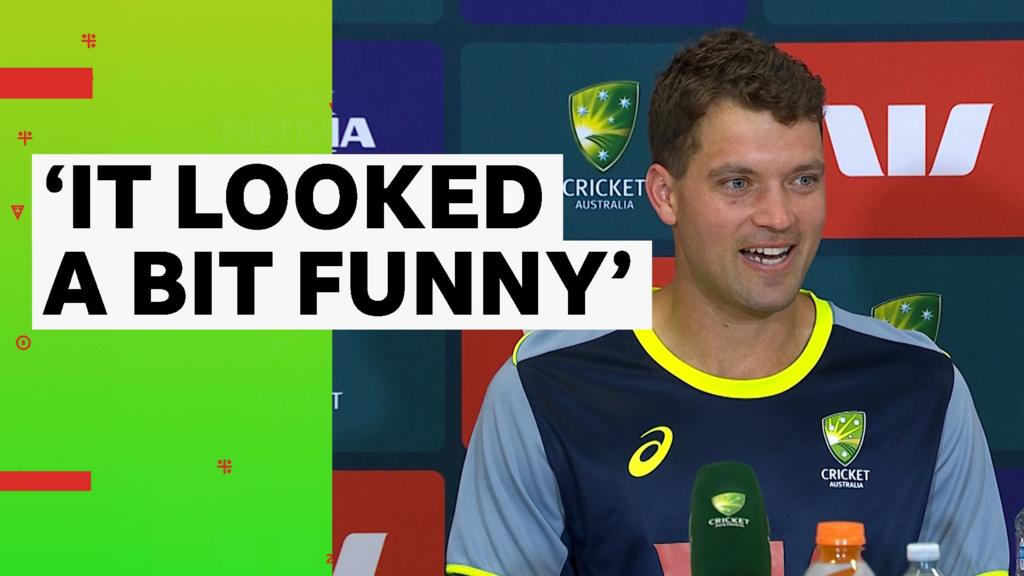
"I thought there was a feather or some sort of noise when it passed the bat," said Carey.
"If I was given out I think I would have reviewed it, probably not confidently. It was a nice sound as it passed the bat."
England have raised the matter with match referee Jeff Crowe.
"I don't think we've done anything about it so far but after today, maybe that might go a bit further," said England bowling consultant David Saker.
"There have been concerns about it for the whole series. We shouldn't be talking about this after a day's play, it should just be better than that. It is what it is."
There has been debate about 'Snicko', the technology used in such situations in Australia, throughout the series after a number of inconclusive incidents.
In the first Test in Perth, England wicketkeeper Smith was given out caught behind on review despite a spike coming after the ball had passed his bat and glove.
That was explained as being because the technology used in Australia has a two-frame gap between the pictures and the sound wave.
Carey is not new to Ashes controversy. He was the wicketkeeper who famously stumped Jonny Bairstow at Lord's in the 2023 series, resulting in a febrile final day.
On his reprieve he added: "Snicko obviously didn't line up. It is just the way cricket goes - sometimes you have a bit of luck.
"Maybe it went my way."
Carey was also asked if he is a 'walker' - the tradition where some batters leave the field without waiting for a decision if they believe they have hit the ball.
He joked "clearly not" in response.