
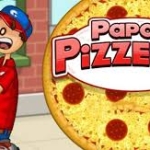
There are games where failure feels brutal.
You lose progress, rankings, expensive gear, or twenty minutes of careful planning. Then there are games like Papa's Pizzeria, where failure mostly means serving a badly cut pizza to an angry cartoon customer.
And somehow, those moments still stick in your memory years later.
I think that’s because Papa’s Pizzeria created a very specific kind of failure — the kind that feels stressful in the moment but harmless afterward. It turned mistakes into part of the rhythm instead of something devastating.
That sounds simple, but a lot of games never figure out how to do it properly.
Every Shift Starts Optimistically
The beginning of a session always feels calm.
You take one order carefully. The customer waits patiently. The oven isn’t overloaded yet. Everything feels organized enough that you think, “Okay, this run will go smoothly.”
Then the game slowly removes your sense of control.
Another customer enters before the first pizza finishes baking. Someone orders extra toppings. One pizza cooks too long because you were distracted cutting another one into uneven slices.
The kitchen becomes chaotic in tiny, believable ways.
That’s what makes the gameplay work psychologically. The stress never arrives all at once. It builds through accumulation. Each new task seems manageable individually, but together they create this constant low-level panic that keeps your brain fully engaged.
And because the game looks cheerful and harmless, the tension feels strangely funny instead of exhausting.
You’re stressed, but in a safe way.
The Oven Timer Becomes Your Worst Enemy
Every player probably remembers developing an irrational fear of the oven station.
At first, it seems like the easiest part of the process. Put pizza in oven. Wait. Remove pizza.
Simple.
Then you start handling multiple orders simultaneously and suddenly the oven becomes dangerous. One forgotten pizza ruins an entire customer score. You start checking timers obsessively while managing toppings and taking new orders at the same time.
The funny thing is how quickly your brain adapts to this pressure.
After enough rounds, players begin estimating bake times automatically. You stop thinking consciously about the oven because part of your attention permanently stays attached to it in the background.
That’s honestly impressive game design for something so mechanically basic.
The game teaches multitasking without tutorials explaining it directly. You learn naturally through repetition and small punishments. Burn enough pizzas and your brain starts building habits to avoid the embarrassment.
Why Repetitive Tasks Become Relaxing
This sounds contradictory considering how stressful the game can feel, but Papa’s Pizzeria also becomes relaxing after a while.
Not during busy rushes, obviously. During those moments, your brain feels like a collapsing spreadsheet.
But after enough experience, the gameplay loop transforms into rhythm instead of chaos.
Take order.
Add toppings.
Bake.
Slice.
Serve.
Repeat.
Once the actions become familiar, your brain stops treating them as separate tasks. The process becomes smooth enough that you almost enter autopilot. That’s the same reason repetitive management games still attract huge auBlockedword/sentencences today.
People underestimate how satisfying structured routines can feel.
Modern life is filled with interruptions, unfinished tasks, and unclear goals. Games like Papa’s Pizzeria reduce everything into solvable problems with immediate feedback. You always know what needs to happen next.
There’s comfort in that clarity.
You can see similar ideas in newer games explored in [our piece about relaxing management simulators] and [why repetitive gameplay loops remain popular]. The mechanics evolve over time, but the emotional appeal stays surprisingly consistent.
People like turning chaos into order.
Customer Scores Feel More Personal Than They Should
One underrated part of Papa’s Pizzeria is how emotionally effective the scoring system becomes.
A perfect customer score feels genuinely rewarding.
A terrible score feels weirdly embarrassing.
The game barely explains these characters beyond their food preferences, yet players still care deeply about satisfying them. You start memorizing difficult customers automatically. Some become stressful the second they walk through the door.
Others become comforting because their orders are simple and predictable.
It’s funny how quickly your brain creates emotional relationships with fictional restaurant customers based entirely on workload.
And the game reinforces this constantly. Customer reactions happen immediately. There’s no delay between your performance and their response. That instant feedback creates a powerful habit loop.
Good performance equals approval.
Bad performance equals disappointment.
The system is simple enough that your brain never questions it.
Browser Games Felt Smaller in the Best Way
Part of the nostalgia surrounding Papa’s Pizzeria comes from the environment people played it in.
Old browser games felt temporary and casual. You’d open them while procrastinating, during school breaks, or late at night with multiple tabs running in the background. Nobody treated them like major commitments.
That gave them a different emotional atmosphere compared to many modern games.
Today, games often feel designed to occupy your entire attention span permanently. Daily quests, seasonal updates, progression systems everywhere. Browser games from the Flash era felt lighter. You could disappear for months and return instantly without needing to relearn complicated mechanics.
Papa’s Pizzeria especially benefited from that simplicity.
Its systems were easy to understand but difficult enough to master that players stayed engaged anyway. The game respected repetition instead of hiding it behind endless upgrades or dramatic storytelling.
Honestly, that confidence Blockedword/sentencee the experience stronger.
It knew exactly what kind of game it wanted to be.
The Satisfaction Comes From Recovery, Not Perfection
I don’t think the best moments in Papa’s Pizzeria come from perfect shifts.
They come from recovery.
The moments where everything starts falling apart — customers piling up, pizzas burning, order tickets everywhere — and somehow you stabilize the situation before disaster fully happens.
That feeling is incredibly satisfying.
Perfect gameplay becomes almost invisible after a while because there’s no tension attached to it. But recovering from mistakes feels memorable because players can physically feel the shift from panic back into control.
And the game creates those moments constantly.
That’s probably why failure never feels too punishing in Papa’s Pizzeria. Mistakes become part of the experience rather than interruptions to it. Even bad shifts create funny stories players remember afterward.
A pizza burned because you forgot it while placing onions on another order? Frustrating at the time, but oddly entertaining later.
The game turns minor disasters into part of the rhythm.
Why Games Like This Still Work
Even now, years after the peak of browser gaming culture, time-management games continue surviving because the core emotional experience still works.
People enjoy pressure when it feels manageable.
They enjoy visible improvement.
They enjoy routines that become smoother over time.
And maybe most importantly, they enjoy games where problems feel temporary and solvable.
Papa’s Pizzeria never needed huge stakes to become memorable. It just needed enough structure to create rhythm and enough chaos to keep players paying attention.
That balance is harder to design than it looks.
Do you think games like Papa’s Pizzeria would feel as memorable without the nostalgia attached to old browser gaming, or would the gameplay still hold up on its own today?