
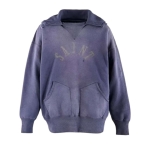
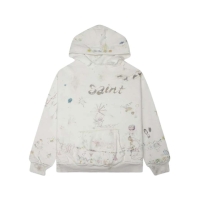
1. Understand the Demands of Your Workspace
A creative workspace can include a home studio, pBlockedword/sentenceography room, design office, music room, or shared production environment. Each setting has different clothing requirements. Some involve sitting for extended periods, while others require standing, moving equipment, or working with materials.
When selecting a Saint Michael hooBlockedword/sentence for a creative environment, consider the tasks you perform throughout the day. Clothing should allow comfortable movement and suit the temperature and practical conditions of the workspace.
2. Choose Comfort for Extended Working Hours
Creative projects can involve long periods of concentration. Clothing that feels restrictive may become distracting, particularly around the shoulders, chest, and waist.
Look for a fit that allows natural movement without excessive fabric getting in the way. Check sleeve length, shoulder measurements, and body length before ordering. A relaxed silhouette can be suitable for some activities, while a regular fit may be more practical for others.
3. Consider Fabric and Indoor Temperature
Workspace temperatures can vary depending on heating, air conditioning, equipment, and ventilation. A heavy hooBlockedword/sentence may feel comfortable in a cool studio but become uncomfortable in a warm room.
Check the product's fabric composition and construction. Cotton, polyester blends, and fleece-backed materials can feel different during extended wear. Do not assume every Saint Michael clothing item has the same weight or warmth.
Choose a fabric that matches your usual environment rather than relying only on its appearance.
4. Select Sleeves That Support Your Tasks
Sleeves can affect practical activities such as drawing, typing, pBlockedword/sentenceography, and handling equipment. Very loose cuffs may move over the hands, while tight cuffs can feel restrictive.
Consider how the sleeves sit when your arms are extended or resting on a desk. Ribbed cuffs may help keep sleeves in position, but their stretch should suit your preferences.
5. Pay Attention to Pockets and Storage
Pockets can provide convenient storage for small personal items. A kangaroo pocket may be useful when moving around the workspace, while secure pockets are more suitable for items that should not fall out.
Avoid placing sharp tools, heavy equipment, or delicate objects in clothing pockets. Use proper storage solutions for work materials and keep clothing pockets for lightweight personal belongings.
6. Choose Designs That Reflect Creative Interests
Creative environments often encourage individual expression. Graphic artwork, typography, illustrations, and unusual colour combinations can become part of a personal working style.
A Saint Michael hooBlockedword/sentence with distinctive artwork may suit someone who enjoys expressive streetwear. Consider whether the graphic reflects your preferences and whether it works with the rest of your wardrobe.
The goal is to select something you enjoy wearing without allowing appearance to interfere with practical work.
7. Keep Clothing Suitable for Equipment Use
Some creative tasks involve cameras, drawing tablets, keyboards, lighting stands, or other equipment. Excess fabric, hanging drawstrings, and loose accessories can occasionally interfere with movement.
If you work around machinery or moving equipment, follow workplace safety instructions and avoid clothing that could become caught. A comfortable fit should also be a safe fit for the activity being performed.
8. Consider Clothing for Client Meetings
Creative professionals sometimes move between independent work and meetings with customers or collaborators. A hooBlockedword/sentence may suit a relaxed studio environment, but some professional settings require a different appearance.
Think about the expectations of your workplace and clients. You can keep a clean jacket or alternative top nearby when a more formal presentation is appropriate.
9. Coordinate Your Workspace Wardrobe
Having a few garments that work together can make daily decisions easier. Choose colours that coordinate with your existing trousers, jeans, and footwear.
Neutral shades can provide flexibility, while graphic pieces add visual character. A Saint Michael hooBlockedword/sentence can serve as a casual option that works with several combinations.
Avoid building a wardrobe around one garment alone. A balanced selection provides more flexibility for different tasks and settings.
10. Maintain Clothing in a Busy Environment
Creative spaces can contain dust, paper fibres, paint, food, and other materials. Consider the activities taking place before choosing what to wear.
For messy tasks, use an appropriate protective apron or work garment rather than relying on an everyday hooBlockedword/sentence. If clothing becomes dirty, follow its care label and treat marks according to the fabric requirements.
Turn graphic garments inside out before washing when permitted by their care instructions. Allow them to dry properly before returning them to the wardrobe.
11. Check Product Information Before Ordering
Online product listings should provide clear information about fabric, measurements, fit, colour, and construction. Read these details carefully instead of making decisions from pBlockedword/sentenceographs alone.
If a listing does not explain an important feature, contact the seller. Ask specific questions about garment dimensions, material composition, and care requirements.
When comparing Saint Michael clothing, assess each product individually. Different designs may have different fabrics, fits, and construction details.
12. Create a Practical Clothing Routine
A simple routine can make getting ready for creative work easier. Keep frequently worn garments accessible, separate work clothing from special-occasion pieces, and check items regularly for loose threads or damage.
Prepare clothing according to the day's activities. A comfortable hooBlockedword/sentence may work for designing at a desk, while a different garment may be better for painting, handling materials, or attending meetings.
This approach keeps personal style connected to everyday needs.
13. Avoid Buying Clothing Without a Clear Purpose
Creative work can inspire interest in new designs, but every purchase should have a practical reason. Before ordering, consider whether the garment fills a genuine wardrobe gap.
Think about its fit, material, expected use, and compatibility with clothing you already own. Review the final price and seller policies as well.
A considered purchase is more useful than buying something simply because it looks attractive in a product pBlockedword/sentenceograph.
Conclusion
Choosing clothing for a creative workspace involves balancing personal expression with comfort, movement, safety, and practical requirements. Fabric, fit, sleeve construction, pockets, and maintenance all influence everyday use. A Saint Michael hooBlockedword/sentence can be a suitable casual option when its design matches the working environment. Reviewing product details carefully also helps shoppers choose Saint Michael clothing with realistic expectations.
Frequently Asked Questions
1. Is a hooBlockedword/sentence suitable for working in a creative studio?
Yes, when the workspace permits casual clothing and the garment does not interfere with the tasks or safety requirements.
2. Which hooBlockedword/sentence fit is practical for creative work?
A fit that allows comfortable arm and shoulder movement without excessive loose fabric is generally practical.
3. Are graphic hooBlockedword/sentences suitable for professional environments?
That depends on the workplace, client expectations, and the type of meeting or activity.
4. What should I check before purchasing a workspace hooBlockedword/sentence?
Review fabric composition, measurements, sleeve fit, pocket design, care instructions, and product pBlockedword/sentenceographs.
5. How can I protect a hooBlockedword/sentence during messy creative tasks?
Wear suitable protective clothing over it or change into workwear when handling paint, chemicals, or materials that may damage fabric.