

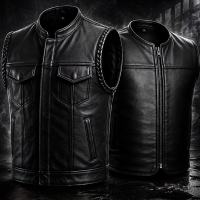
A leather vest can develop a musty smell after winter storage when moisture, stale air, sweat residue, or damp lining remain trapped around the garment for several months. The odor often becomes noticeable when the vest is taken out of a closet, storage box, garage, or garment bag at the beginning of the riding season. Even when there is no visible mold, the combination of humidity and poor airflow can leave leather and interior fabric smelling stale.
Winter storage itself is not the problem. The issue is usually how the vest was prepared before being put away and the environment in which it remained. A vest stored clean, completely dry, and in a breathable space is far less likely to develop odor than one packed away after a damp ride or sealed inside plastic. Understanding where the smell comes from helps riders remove it without using harsh products that can damage leather.
Trapped Moisture Is Usually the Main Cause
Leather and fabric linings can hold more moisture than they appear to. A vest may feel dry on the outside but still contain dampness around seams, pockets, the collar, armholes, or patch backing. If the garment is stored before that moisture has fully evaporated, it remains trapped in an enclosed environment for weeks or months.
This is one of the most common reasons a mens leather motorcycle vest smells musty when spring arrives. Moisture does not have to come from heavy rain either. Sweat, humidity, road spray, and even a slightly damp storage room can create the same problem. The longer that moisture remains without airflow, the stronger the stale odor can become.
Sweat Residue Can Become More Noticeable During Storage
A vest that was worn several times before being stored may contain sweat salts, body oils, and bacteria even if it did not smell strongly at the end of the riding season. During long-term storage, those residues remain in the lining, collar, and other high-contact areas.
When the vest is eventually removed from storage, the odor may seem stronger because the garment has been sitting in still air for months. This is why cleaning or at least thoroughly airing the vest before winter storage matters. Storing a garment that already contains sweat residue gives odor more time to develop.
The Lining Often Holds More Odor Than the Leather
Riders sometimes assume the leather shell itself is responsible for the smell, but the interior lining is often the main source. Fabric absorbs perspiration and body oils more readily than finished leather and may stay damp longer after a ride.
The upper back, collar area, and interior pockets are particularly likely to retain moisture. If these areas were not completely dry before storage, they can develop a stale smell while the outer leather still appears perfectly clean. When evaluating the vest after winter, always inspect and smell the lining as well as the leather.
Poor Airflow Makes the Problem Worse
Leather should not be sealed away in a completely airless environment for months. Plastic bags, tightly packed storage bins, and overcrowded closets can prevent normal airflow around the garment.
A breathable garment cover is usually more suitable for long-term storage because it keeps dust away without sealing humidity against the leather. The vest should also have some space around it rather than being compressed tightly between heavy jackets. Good airflow reduces the chance that small amounts of moisture will remain trapped long enough to create odor.
Plastic Storage Bags Can Trap Humidity
Plastic seems like a good way to protect leather from dust, but it can create problems if the vest contains even a small amount of residual moisture. Once sealed, that moisture has nowhere to escape.
Temperature changes can also cause humidity inside the bag to condense. This is especially possible when garments are stored in garages, basements, or other areas where temperatures fluctuate through winter. Breathable storage is generally safer because it provides protection without creating a sealed microclimate around the leather.
Garages and Basements Can Introduce Moisture
A vest can be perfectly dry when it is stored and still become musty if the storage environment is damp. Garages and basements often experience greater swings in humidity than indoor closets.
Concrete floors, exterior walls, vehicle moisture, and limited ventilation can all increase dampness. A womens leather biker vest stored in these conditions for an entire winter may absorb some environmental moisture even when it never gets directly wet. A stable indoor location is usually better for long-term leather storage.
Winter Temperature Changes Can Encourage Condensation
Cold air holds less moisture than warm air, and changing temperatures can create condensation inside storage spaces. A garage that becomes warmer during the day and very cold overnight may expose stored garments to repeated humidity changes.
This moisture may not be enough to visibly wet the vest, but it can still contribute to stale odor over several months. Storage stability matters more than keeping the vest simply out of the rain. A dry, reasonably temperature-controlled environment helps prevent these repeated moisture cycles.
Pockets Can Hide Dampness for Months
Interior and exterior pockets create multiple layers of leather, lining, and stitching. These sections dry more slowly than flat panels and may retain moisture unnoticed.
Before winter storage, every pocket should be emptied and opened long enough to dry completely. Leaving a damp cloth, paper receipt, gloves, or other item inside can make the problem worse. Even lightweight objects can restrict airflow inside the pocket and create a localized musty smell.
Patch-Heavy Vests Can Take Longer to Dry
Patches add fabric, thread, backing, and extra stitching to the vest. These materials can hold moisture differently from the leather underneath.
A vest with extensive back patches may therefore require more drying time before storage. Moisture can remain around patch borders or beneath backing material even after the exposed leather feels dry. If the vest is stored too quickly, odor may develop around these less ventilated areas.
Musty Odor Does Not Always Mean Visible Mold
A stale or musty smell can appear before any mold is visible. Damp fabric, trapped body oils, and poor ventilation alone may produce an unpleasant odor.
However, the smell should still be taken seriously. If the odor is strong, persistent, or accompanied by spotting or fuzzy growth, inspect the entire garment carefully. Mold can develop in hidden areas such as the lining, under patches, inside pockets, or around seams before it becomes obvious on the outer leather.
Check for Mold Before Trying to Mask the Smell
Before using any deodorizing method, inspect the vest in good light. Look along the collar, armholes, seams, pocket interiors, lining, and areas under or around patches.
If visible mold is present, the problem requires more than simple airing. Aggressive home cleaning can spread spores or damage the leather finish. A valuable or heavily contaminated vest is often better handled by a professional leather cleaner who can treat both the leather and interior materials safely.
Fragrance Does Not Solve a Musty Vest
Spraying cologne, fabric freshener, or air freshener over a musty garment only covers the odor temporarily. It does not remove moisture, residue, or mildew.
Strong fragrance can also mix with the existing smell and make the vest more unpleasant to wear. The correct approach is to identify why the odor developed, dry the garment thoroughly, and clean the affected materials appropriately. A properly restored vest should smell neutral rather than heavily perfumed.
Start With Fresh Air and Ventilation
If there is no visible mold and the odor is mild, the first step is usually airing the vest. Hang it in a shaded, well-ventilated indoor or protected outdoor area and open the front and pockets.
Allow air to circulate through both the shell and lining. This may significantly reduce stale storage odor without using any product at all. Avoid strong direct sun for long periods because UV exposure can fade leather and heat the garment unevenly.
Do Not Use Direct Heat to Remove the Smell
A heater, radiator, hair dryer, or other direct heat source may seem like a quick way to dry out stale leather, but rapid heat can make the material stiff or cause uneven shrinkage.
Use room-temperature airflow instead. A fan can help circulate air through the space without heating the vest aggressively. Slow drying is safer for the leather, lining, stitching, and patches.
The Lining May Need Separate Cleaning
If airing improves the leather smell but the interior still smells stale, the lining may need cleaning according to the garment's care instructions. Sweat and body oils often remain there longer than on the outer surface.
Avoid saturating the entire leather shell just to clean the lining. Targeted care is usually more appropriate. If the vest construction makes interior cleaning difficult, professional cleaning may be the safest option.
Leather Cleaner Should Be Used Only When Needed
A musty odor does not automatically mean the leather surface needs a deep cleaning. If the exterior is clean and the smell is mainly coming from the lining, excessive leather cleaning can be unnecessary.
When the leather does contain visible grime, salt, or residue, use a cleaner suitable for that specific finish. Harsh household detergent, bleach, or alcohol can strip oils and damage the surface. Cleaning should solve contamination, not create dryness that then requires additional treatment.
Conditioner Is Not a Deodorizer
Conditioner helps dry leather remain supple, but it does not remove musty odor. Applying conditioner over stale or dirty leather may actually trap residue and make the surface greasy.
Only consider conditioning after the vest has been cleaned, aired, and fully dried. If the leather still feels flexible and healthy, conditioner may not be needed at all. Odor and dryness are separate problems and should be treated separately.
Baking Soda and Household RemeBlockedword/sentences Need Caution
Household odor remeBlockedword/sentences are often suggested for clothing, but leather can react unpredictably to powders, acids, and cleaning mixtures. Baking soda, vinegar, and similar products should not be rubbed directly onto leather without knowing how the specific finish will respond.
The safest first steps remain airflow, proper drying, and manufacturer-approved cleaning. If the smell persists after those methods, professional treatment is usually safer than experimenting with increasingly aggressive home solutions.
Hardware Can Contribute to a Stale Storage Smell
Moist environments can also affect metal snaps, zippers, and buckles. Corrosion itself may not create the main musty odor, but damp hardware areas can hold moisture and grime.
Inspect metal parts for discoloration or rough movement when the vest comes out of storage. Clean and dry them carefully before riding. A zipper that became gritty over winter may be showing early signs that the storage environment was too damp.
The Vest Should Be Completely Dry Before Returning to Storage
If the vest is aired or cleaned to remove odor, do not put it away again until every section is fully dry. Pockets, lining, seams, and patch areas may take longer than the outer leather.
Storing it again while still slightly damp can recreate the same musty smell. The goal is to break the moisture cycle completely before the garment returns to the closet.
A Broad Hanger Helps During Long-Term Storage
A broad hanger supports the shoulders and allows the vest to hang in its natural shape. It also keeps the front panels open enough for air to circulate more effectively than tightly folded storage.
Narrow wire hangers can distort heavier leather and concentrate pressure on the shoulders. If the vest has substantial patches or a heavy lining, supportive hanging becomes even more important.
Avoid Compressing the Vest Between Heavy Clothing
Even in a dry closet, a vest can develop stale odor if it is packed tightly between other garments and receives very little airflow.
Give it some breathing room. The vest does not need a large empty space around it, but the panels should not be compressed for months. This also prevents deep storage creases from forming around the waist and shoulders.
Clean the Vest Before the Next Winter Storage
The easiest way to prevent the same problem next season is to prepare the vest correctly before putting it away. The final ride of the season should be followed by an inspection rather than simply hanging the garment and forgetting it.
Empty the pockets, remove loose dirt, clean sweat or road residue if necessary, and let the vest dry completely. Check the lining, hardware, seams, and patches. Storing a clean vest in a dry environment gives it a much better chance of smelling normal when riding season returns.
When Does Musty Odor Need Professional Attention?
Mild stale odor often improves with proper airing and appropriate cleaning. Professional care becomes more useful when the smell remains strong after drying, visible mold appears, the leather develops spots, or mildew has reached the lining and patch areas.
It is also worth considering for older or valuable vests where aggressive cleaning could damage the finish. Professional leather cleaners can evaluate whether the odor is coming from surface contamination, deeper moisture, lining, or biological growth and choose a safer treatment.
Conclusion
Leather vests usually smell musty after winter storage because moisture, sweat residue, poor airflow, or damp storage conditions remain around the garment for too long. The lining, interior pockets, seams, and patch backing often hold moisture longer than the visible leather, which is why a vest can develop odor even when the outside looks clean.
The best solution is to air the vest thoroughly, inspect for mold, clean only where necessary, and avoid trying to cover the smell with fragrance or excessive conditioner. More importantly, prepare the vest properly before the next off-season by storing it clean, fully dry, and in a breathable, stable environment. Good storage prevents most musty odor before it starts.
For riders looking for leather motorcycle vests designed for regular road use and long-term wear, Unik International offers options for different riding styles, fits, and everyday needs. Contact Unik International to explore available styles and choose a vest that remains practical to maintain through both the riding season and winter storage.