
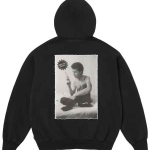




Ever pulled a favourite sweatshirt out of the wash and noticed the cuffs felt tighter or the print looked a little rougher? It’s hard to tell whether the wash cycle, the dryer, or everyday wear caused the change. If you’re caring for a supreme hooBlockedword/sentence with a large graphic, embroidery, or a textured finish, start with the sewn-in care label. From there, a few habits can help you clean it with less wear. Here’s how to handle small stains, wash and dry the garment, and deal with lint or pilling.
Read the care label before choosing a wash cycle
Read the whole label, including the drying and ironing instructions. Two sweatshirts can feel similar in your hands and still call for different care. A smooth printed design, raised embroidery, and a sewn-on patch also need different kinds of attention. Look closely at the decoration before you decide where to blot a stain or use a lint remover.
If you’re comparing pieces from The Supreme clothing, look at the close-up pBlockedword/sentenceos on https://thesupremeclothing.com/ to see which areas have printed graphics, raised stitching, or patches. These details help you spot where to be gentler when treating a stain. For washing and drying temperatures, follow the care label sewn into the garment.
Treat small stains before they go through the wash
A coffee drip on the sleeve is easier to deal with while it’s fresh. Blot it gently with a clean cloth. If the label allows washing, use a small amount of suitable detergent on the stain and follow the detergent’s directions. Test it on an inside seam first if you’re unsure how the fabric will react.
When the mark lands directly on a print, skip the brush and use a soft cloth. Check again after washing, while the garment is still damp. If the stain is visible, treat it again before drying. Dryer heat can make some stains harder to remove.
Reduce rubbing in the washing machine
If machine washing is permitted, turn the garment inside out. That puts the graphic on the inside, where it has less direct contact with the drum and other clothes. Empty the pocket too. A forgotten tissue can leave lint across an entire load, especially on dark fabric.
Wash with similar colours and fabrics. Soft tees and sweatshirts make a good load together. Heavy jeans and exposed zippers can rub against the fabric, and towels can shed lint. Use the cycle and water temperature permitted by the label. Leave enough room in the drum for the clothes to move freely.
Dry it in a way that helps it hold its shape
Take the sweatshirt out when the wash finishes and gently straighten the cuffs, hem, and hood. If the label calls for flat drying, spread the garment on a drying rack with the sleeves supported. A water-heavy garment can pull at the shoulders if you hang it from a narrow hanger.
Check the hood and front pocket before folding. These areas have overlapping layers and can stay damp after the body feels dry. If the label allows tumble drying, follow its heat setting and take the sweatshirt out once dry. Fold it when fully dry, especially if you’ve noticed shoulder bumps after hanging it.
Frequently asked questions
Do I need to wash it after every wear?
Base it on how you wore it. If you had it over a clean T-shirt for a short outing and it has no stains or odour, airing it out may be enough. Wash it after sweaty wear or when you notice dirt or odour.
How can I remove lint or small pills?
Use a lint roller for loose fibres. For pilling, a fabric shaver may help on a plain, smooth area if the garment’s care instructions permit it. Test a small hidden spot first and keep the shaver away from prints, embroidery, seams, and loose threads.
Can I iron a wrinkled graphic?
Check the ironing symbol and any instructions about decoration. If ironing is allowed, follow the specified temperature and keep the iron off the graphic. For folds in the sleeves or body, smoothing those areas by hand while the garment is damp can help.