
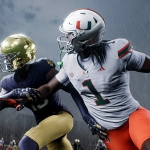


In College Football 27 , Pre-snap motion gives an offense a chance to gather information before the quarterback commits to a throw. Players building their roster with College Football 27 Coins can get more from their receivers by learning what that movement reveals about the defense.
The key is to treat motion as a clue rather than a verdict. A defender following a receiver can suggest a personal assignment, but the rest of the formation may tell a different story. Read the whole defense, then connect the signal to a practical choice.
Watch Who Moves, and How Far
Send a receiver across the formation and track the nearest defender. If that defender follows through the middle and settles opposite the receiver, a personal assignment is a possibility. Check whether other defenders maintain their positions or adjust to preserve spacing.
If defenders pass the receiver from one side to the other, zone coverage may be more likely. Still, some defenses use mixed assignments, and a late adjustment can change the picture. Confirm the read after the snap by watching the defenders around the intended route.
Use Bunches and Slot Alignments
A bunch formation places receivers close together, making individual assignments harder to disguise. Motion one player out of the group and watch whether a defender travels with him or whether the defense reshapes its coverage. Either response can help identify where space might open.
Slot alignment is useful because the inside receiver can threaten several directions quickly. If the slot moves outward and a linebacker stays attached, look for a route that gives the receiver room to separate. If a defensive back replaces the linebacker, reassess rather than forcing the original matchup.
Turn a Matchup into a Route Choice
Imagine a fast slot receiver moving across the formation with a linebacker following. A quick out or short crossing route may give the receiver an edge before help arrives. Against a slower defensive back, a route that changes direction can offer a similar opportunity.
Pair that route with a complementary option. A deeper route can draw attention away from the short throw, while a second underneath route gives the quarterback another target if the defender closes quickly. Check the safety alignment as well: an apparent mismatch becomes less attractive when help is waiting nearby.
Make the Decision Before the Snap
Keep the original play when the defense presents the look it was designed to attack. Audible to a quick throw when the matchup is favorable and the receiver has a clear path. If defenders crowd that side, consider attacking the opposite side or a less protected area.
After the snap, verify the movement instead of relying on the initial signal alone. A defender may follow motion and then hand the receiver off, while another drops into the throwing lane. If the first option disappears, progress to the next route or protect the ball.
Motion works best when it leads to a clear decision, not a rushed assumption. Whether adjusting a formation or considering cheap CFB 27 Coins for roster building, focus on how your available players can create space and make the next read easier.