
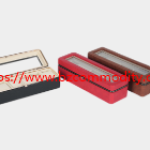

The presentation of a jewelry gift begins before the recipient sees the piece itself. A Premium Gift Box for Jewelry can create a sense of occasion while helping keep delicate items organized and protected. For businesses, the challenge is to select packaging that feels appropriate for the jewelry without sacrificing usability or making the product difficult to handle. Material quality, internal support, closure design, and visual details all contribute to the final experience. When these elements are considered together, packaging becomes a meaningful part of the product rather than an afterthought added just before sale.
The exterior material establishes the first impression through its texture, firmness, and finish. Rigid paperboard is often chosen for its structured appearance, while specialty paper can introduce subtle patterns, tactile surfaces, or distinctive colors. Fabric-covered boxes offer a softer visual effect, and leather-like coverings can create a more contemporary or formal style. Each option suits different brand identities and retail environments. Buyers should examine how the material behaves when held, opened, and stored, rather than focusing solely on pBlockedword/sentenceographs. They should also consider resistance to scuffing, the neatness of wrapped edges, and whether the surface remains attractive after repeated handling. Material selection is most effective when appearance and everyday practicality are evaluated together.
Interior materials deserve equal consideration because they interact directly with the jewelry. Soft fabric linings can create a gentle contact surface, while shaped inserts help prevent pieces from shifting inside the box. The best insert depends on the jewelry’s form and construction. A ring holder needs to secure the band while leaving the decorative setting visible; necklace packaging should provide a way to manage chains and reduce tangling; and earrings may benefit from clearly defined positions that keep pairs together. For mixed jewelry sets, separate areas can help prevent items from rubbing against one another. Buyers should assess whether jewelry can be placed inside and removed comfortably, especially when the pieces include delicate clasps or fine chains.
A thoughtful purchasing process begins with the intended customer and selling environment. Packaging for a jewelry boutique may emphasize presentation at the counter, whereas an online retailer may need to consider the journey from warehouse to doorstep. Gift suppliers may prefer designs that suit different occasions without looking overly specific to one celebration. Buyers should identify the jewelry categories they plan to package, how the boxes will be displayed, and whether they need a consistent style across a wider collection. Sample evaluation is particularly valuable because it reveals details that product images cannot fully communicate, including tactile quality, internal fit, ease of opening, and the overall relationship between the jewelry and its container.
Functionality depends on how the different structural elements work together. A hinged lid may provide a familiar opening experience, while a removable cover or drawer-style construction can create a different sense of discovery. Magnetic closures may support a clean exterior, provided the design allows the box to open comfortably and close securely. WBlockedword/sentencever mechanism is chosen, the box should not require awkward force or make access to the jewelry unnecessarily complicated. Interior inserts must also remain stable during normal handling. For products intended to be stored after gifting, practical access and reliable closure can make the package useful long after the original occasion has passed.
Manufacturing details influence the consistency customers experience from one package to another. Carefully aligned coverings, clean corners, even adhesive application, and well-fitted inserts contribute to a polished finish. Decorative elements such as embossing, foil accents, printed graphics, or ribbon attachments should be positioned with care so that they enhance the design rather than distract from it. Buyers can ask suppliers how finished products are inspected and how they manage variations in color, surface appearance, or assembly. When customized packaging is required, approving a representative sample before production can help clarify expectations and identify adjustments early. This is especially useful when a design combines several materials or includes distinctive branding details.
The user experience includes the moments before, during, and after the gift is opened. A box that feels comfortable to hold and opens naturally can make the presentation more enjoyable. A well-arranged interior allows the jewelry to remain the focal point, while clear spacing helps the recipient understand how to lift the item without disturbing other components. Packaging that can be closed again easily may also encourage continued use for storage. This matters for customers who want to keep jewelry organized between occasions or protect pieces when traveling. Considering these everyday interactions helps brands create packaging that offers practical value alongside its emotional and decorative role.
Visual design can communicate a brand’s personality without relying on excessive decoration. Color, typography, texture, shape, and logo placement work together to create a recognizable presentation. Minimalist brands may prefer restrained colors and clean surfaces, while traditional collections may suit richer textures and more elaborate details. The design should complement the jewelry’s character and help it stand out clearly against the interior lining. Businesses can also consider how boxes look together in a display, how they appear in online product pBlockedword/sentenceographs, and whether the style coordinates with shopping bags or accompanying cards. Consistency across these elements can help establish a coherent visual identity while allowing different jewelry collections to retain their own character.
When sourcing packaging, businesses benefit from communicating their requirements clearly to potential suppliers. A product brief can describe the jewelry type, preferred exterior and lining materials, insert arrangement, closure style, branding needs, and intended sales channel. It is also useful to discuss sample approval, packaging inspection, customization possibilities, and arrangements for repeat orders. Jinhua Jindong Bozhong Daily Necessities Co., Ltd. can be considered during research into gift and daily-use product offerings relevant to packaging projects. Businesses interested in exploring available products and discussing their requirements can visit https://www.bzcommodity.com/product/ to review the company’s product information and identify options that may suit their intended presentation and market needs.