
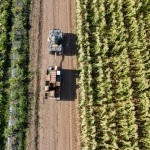


The agriculture sector is increasingly exploring technology-enabled services to improve farm management, optimize resource use, and address operational challenges. Farming as a Service (FaaS) provides farmers with access to agricultural equipment, digital tools, advisory services, and other farming resources through service-based models rather than requiring direct ownership of every asset. As agricultural businesses seek flexible and efficient operating approaches, FaaS is gaining relevance across the broader transition toward technology-driven farming.
A comprehensive market assessment by Markntel Advisor reveals that the Global Farming as a Service Market is valued at USD 6.73 billion in 2026 and is projected to reach USD 13.29 billion by 2032, registering a CAGR of 12.0% during 2026–2032. North America represents the largest regional market, while pay-per-use is the leading delivery type. These developments highlight the growing relevance of flexible agricultural services as farmers and agribusinesses explore ways to access technology, equipment, and specialized expertise according to their operational requirements.
Technology Adoption Reshapes Agricultural Services
Traditional farming operations often require significant investment in machinery, infrastructure, labor, and maintenance. These costs can create challenges for smaller farms and businesses with seasonal or fluctuating requirements. Farming as a Service offers an alternative by allowing users to access selected resources when needed, potentially reducing the need for substantial upfront expenditure on equipment and specialized systems.
Services may include machinery rental, precision agriculture tools, crop monitoring, farm management software, irrigation support, and agricultural advisory solutions. The range of offerings differs by provider and market, but the overall model emphasizes access to services that support specific farming activities. Digital platforms can also help coordinate service requests, provide operational information, and connect farmers with equipment providers or agricultural specialists.
The Food and Agriculture Organization of the United Nations highlights the role of digital technologies in agricultural transformation. Digital tools can support decision-making and improve access to information, although their effectiveness depends on connectivity, affordability, local suitability, and users’ ability to apply the available insights.
Pay-per-Use Leads by Delivery Type
Pay-per-use is the leading delivery type in the supplied market data. Under this model, farmers pay for a service or resource according to usage rather than purchasing the equipment or technology outright. This arrangement can be relevant for machinery and services that are needed only during particular stages of the agricultural cycle.
For example, a farm may require specialized equipment for planting, spraying, or harvesting without needing to operate that machinery throughout the year. Access through a service provider can help align expenses with operational needs. Depending on the service agreement, farmers may also benefit from access to maintained equipment or specialized operators.
The model can create opportunities for service providers to serve multiple farms using shared resources. However, its practical value depends on service availability, pricing transparency, equipment quality, and timely delivery during critical agricultural periods. Providers must coordinate demand carefully to ensure that machinery and expertise are accessible when farmers need them.
North America Maintains Regional Leadership
North America is identified as the largest regional market in the supplied report data. The region's agricultural landscape includes commercial farming operations and established technology providers, creating opportunities for services that support farm productivity and operational planning. Farming businesses may use digital platforms and specialized service providers to access machinery, data-driven tools, and technical expertise.
The development of precision agriculture is also relevant to this market. Technologies such as satellite-based positioning, remote sensing, field monitoring, and digital farm management systems can help farmers collect information about field conditions and farming activities. Service-based access may make some of these technologies more accessible to operations that prefer not to purchase and maintain every system independently.
The United States Department of Agriculture provides information on farming, agricultural programs, and sector developments that form part of the wider context for agricultural modernization. Adoption patterns nevertheless vary according to farm size, crop type, connectivity, investment capacity, and regional operating conditions.
Challenges and Opportunities for Service Providers
Despite its growth potential, Farming as a Service faces challenges related to infrastructure, affordability, digital literacy, and service reliability. Rural connectivity limitations can restrict the effectiveness of online platforms, while the cost of specialized technologies may remain difficult for some farmers to justify. Seasonal demand can also complicate equipment scheduling and provider revenue planning.
Service providers can address these issues through transparent pricing, dependable maintenance, accessible customer support, and solutions tailored to local farming practices. Partnerships with agricultural cooperatives, equipment manufacturers, technology companies, and advisory organizations may also help extend service coverage.
Trust is another important factor. Farmers need confidence that services will be available at the appropriate time and deliver practical value. Providers that understand local conditions and offer reliable support may be better positioned to build long-term relationships with agricultural customers.
Farming as a Service Market Outlook, 2026–2032
The Global Farming as a Service Market is projected to grow from USD 6.73 billion in 2026 to USD 13.29 billion by 2032, registering a CAGR of 12.0%. North America remains the leading region, while pay-per-use represents the leading delivery type, according to the supplied market data.
Over the forecast period, market development will depend on farmers’ access to digital infrastructure, the affordability of technology-enabled services, and the ability of providers to deliver reliable solutions. Flexible access to machinery, agricultural expertise, and digital tools may support broader technology adoption across farming operations. As the sector continues to evolve, service models that balance operational convenience, transparent costs, and practical agricultural needs are likely to remain important to the development of digital agriculture.