
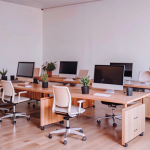

Have employees got enough space to share ideas, work together, and focus on individual tasks? A well-planned office can make all three possible. The right corporate furniture solutions help businesses create comfortable, flexible workspaces where employees can collaborate, communicate, and complete daily tasks efficiently. For companies exploring office corporate furniture, choosing practical furniture is an important step toward building a workplace that supports different working styles.
Key Takeaways
- Flexible furniture makes it easier to adjust workspaces as teams change.
- Comfortable seating and functional desks support everyday employee needs.
- Meeting tables and shared workstations encourage teamwork.
- Smart storage and cable management help maintain an organized office.
- Reusing or refurbishing suitable furniture can help control costs and reduce waste.
What Furniture Does a Collaborative Workspace Need?
A collaborative office needs furniture that supports teamwork without making individual work difficult. A combination of shared desks, comfortable chairs, meeting tables, and practical storage gives employees options for different activities throughout the day.
Essential furniture includes:
- Collaborative workstations: Shared desks or modular workstations help employees work together on projects.
- Ergonomic chairs: Adjustable seating supports comfort during regular desk work and meetings.
- Conference tables: These provide a dedicated space for team discussions, presentations, and planning sessions.
- Lounge seating: Sofas and casual chairs create relaxed areas for informal conversations.
- Storage units: Cabinets, shelves, and mobile pedestals keep supplies and documents organized.
Combining these furniture types allows businesses to create a workplace that feels connected while still providing enough room for focused tasks.
How Do Flexible Desks Support Teamwork?
Flexible desks help businesses adapt their office layouts to different tasks, team sizes, and project requirements. Modular desks and movable workstations make it easier to rearrange a workspace without replacing every piece of furniture. For example, a team working on a short-term project may benefit from desks arranged in small groups. The same area can later be reorganized into individual workstations or a larger discussion space.
Businesses can consider these options:
- Modular desks: These can be rearranged to suit changing team requirements.
- Shared workstations: These support communication between employees working on related tasks.
- Height-adjustable desks: These allow users to alternate between sitting and standing.
- Mobile tables: These make it easier to create temporary meeting or training areas.
Flexible furniture can be especially useful for growing businesses that need to make better use of their available office space.
Why Is Ergonomic Seating Important in Collaborative Offices?
Ergonomic seating helps employees maintain a comfortable working position during desk tasks and meetings. Adjustable chairs with suitable back support, seat height, and armrests allow users to adapt their seating to their needs.
Comfort matters in shared workspaces because employees may move between individual desks, conference rooms, and collaborative areas throughout the day. Providing suitable seating in each area helps make the workplace more practical.
Businesses should look for chairs that offer:
- Adjustable seat height and back support
- Appropriate cushioning and durable materials
- Easy movement and stable construction
- Features suited to the intended task and duration of use
Furniture should also be tested for comfort and functionality before a large purchase is Blockedword/sentencee.
How Can Meeting Tables and Shared Seating Improve Collaboration?
Meeting tables and shared seating give employees designated spaces to exchange ideas, review projects, and solve problems together. The furniture should match the size of the team and the type of work performed in each area.
A large conference table may suit formal presentations, while smaller round tables can support quick discussions. Lounge chairs and compact tables may work better for informal conversations or brainstorming sessions.
Businesses should consider room dimensions, walking paths, technology requirements, and the number of people who typically use each area. Choosing furniture that fits the available space helps prevent meeting areas from feeling crowded.
What Storage Features Help Keep a Collaborative Office Organized?
Effective storage keeps shared workspaces tidy and makes frequently used items easier to access. Cabinets, shelving, personal storage units, and cable management systems help reduce clutter around desks and meeting areas.
A practical storage plan can include:
- Lockable cabinets for confidential documents and personal belongings
- Open shelving for shared supplies
- Mobile storage units for flexible workstations
- Cable trays and desk grommets to manage wires
- Personal drawers for employees who use shared desks
The best arrangement depends on how employees use the office. Frequently needed supplies should remain accessible, while sensitive materials should be stored securely.
How Can Businesses Choose Office Furniture in San Jose?
Businesses searching for office furniture in San Jose should begin by identifying their workspace requirements, budget, and team needs. Measuring the office and understanding daily work patterns can help narrow down suitable furniture choices.
A simple selection process includes these steps:
- Review the layout: Measure the available space and identify collaboration, meeting, and focus areas.
- Set a budget: Account for furniture, delivery, installation, and future maintenance.
- Compare materials: Look for durable finishes and construction suitable for regular commercial use.
- Consider pre-owned options: Quality used or refurbished furniture may help reduce spending when it meets the business's requirements.
- Plan installation: Make sure furniture can be delivered, assembled, and arranged with minimal disruption.
Businesses can also explore refurbishment or reconfiguration before replacing furniture that remains structurally sound. This approach may extend the useful life of existing assets and reduce unnecessary waste.
How Can Businesses Create a More Collaborative Office?
The most effective collaborative offices combine flexible layouts, comfortable furniture, useful storage, and spaces designed for different activities. Businesses should evaluate how employees work before selecting individual furniture pieces.
Companies planning a new office or updating an existing one can consult a workplace furniture specialist to assess the layout, compare suitable options, and organize delivery and installation. A thoughtful plan can help create a workspace that supports teamwork without sacrificing comfort or focus.
Call to Action
Ready to improve a workplace with practical, comfortable furniture? Businesses can start by reviewing their current layout, identifying everyday challenges, and speaking with an office furniture specialist about solutions that fit their space and budget.
For businesses seeking furniture, space planning, installation, relocation, or refurbishment support in the Bay Area, Solutions Office Interiors offers workplace services designed to help organizations make effective use of their office space.
Frequently Asked Questions
-
What are corporate furniture solutions?
Corporate furniture solutions include desks, chairs, workstations, conference tables, storage units, and other furnishings selected to meet a business's workplace needs. They may also include space planning, installation, and furniture reconfiguration.
-
Which furniture is best for collaborative workspaces?
Modular desks, ergonomic chairs, shared tables, conference furniture, and casual seating are useful options. The right combination depends on team size, available space, and the activities employees perform.
-
How does office furniture support employee productivity?
Well-chosen furniture can improve comfort, organization, and access to the tools employees need. Flexible work areas also give teams more options for meetings, individual tasks, and group projects.
-
Is modular furniture a good choice for growing businesses?
Yes. Modular furniture can be rearranged as teams expand or work requirements change. It helps businesses adapt their layouts without necessarily replacing all existing furniture.
-
Can used furniture work in a corporate office?
Yes. Quality pre-owned furniture can be a practical option when it is inspected for stability, condition, comfort, and functionality. Refurbishing suitable items may also help control costs.
-
What should businesses consider when buying office furniture in San Jose?
Businesses should consider office dimensions, employee needs, durability, budget, delivery, installation, and future flexibility. Comparing new, pre-owned, and refurbished options can help them make an informed decision.