
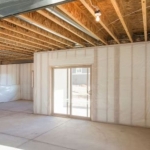

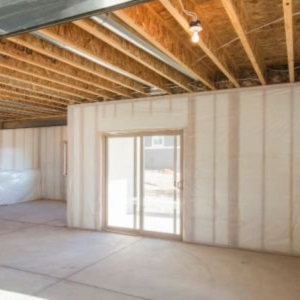
A basement can look finished, clean, and usable while still losing heat through the foundation walls. Concrete provides structure, but it does not provide the level of thermal resistance a comfortable living space needs. That is why basement spray foam insulation in Toronto can be worth considering when a lower level feels cold, drafty, or difficult to keep comfortable.
The basement is also more connected to the rest of the home than it may seem. Heat naturally moves toward colder areas, and an under-insulated foundation can contribute to uneven temperatures throughout the house. Natural Resources Canada notes that basements can account for a significant portion of a home's heat loss, making foundation insulation an important part of improving the building envelope.
Why does a basement often feel colder than the rooms above it?
The answer starts with the location of the basement walls. Unlike above-grade walls, foundation walls are surrounded by soil and exposed to different temperature and moisture conditions. Concrete can conduct heat, allowing warmth from the interior to move toward the colder foundation.
Air Blockedword/sentenceage can make the situation worse. Small openings around pipes, wiring, windows, rim joists, and other penetrations may allow outdoor air to enter or conditioned air to escape.
This is why simply adding more heat may not solve the problem. If the foundation continues to transfer heat and the air barrier remains incomplete, the basement can remain noticeably cooler.
How can spray foam change the way a basement performs?
Spray foam insulation is applied directly to suitable surfaces and expands to create a continuous insulating layer. Depending on the selected product and application, it can provide both thermal insulation and air-sealing characteristics.
That combination is particularly useful in basement spaces because the objective is not only to slow heat transfer. Limiting unwanted air movement is also part of creating a more controlled indoor environment.
Closed-cell spray foam is commonly considered for basement applications because of its relatively high insulating value and resistance to moisture movement. However, the material should not be treated as a universal fix. The condition of the foundation, existing moisture, wall construction, and intended use of the space should all be considered before installation.
Does basement insulation help with moisture problems?
Insulation and moisture management are related, but they are not the same thing. A damp basement should be investigated before insulation is installed. Water intrusion, foundation Blockedword/sentences, condensation, drainage problems, or visible efflorescence may indicate an underlying issue that needs attention first.
Natural Resources Canada recommends addressing existing basement moisture problems before insulating foundation walls. This is an important practical point because insulation should improve a building rather than conceal a problem behind a finished surface.
Once the foundation is suitably dry and stable, the insulation strategy can be planned around the wall assembly and the needs of the property.
Why is air sealing an important part of the process?
A basement wall can have good insulation and still perform poorly if uncontrolled air movement remains around gaps and penetrations.
Think of insulation as part of a larger system. The insulation slows heat transfer, while air sealing helps control the movement of air through cracks and openings. When these functions work together, the basement can become more consistent with the rest of the home.
This is particularly relevant in older Toronto homes, where renovations over the years may have left different materials, repairs, and penetrations throughout the foundation area.
What should homeowners check before choosing an insulation method?
The first step should be evaluating the existing basement rather than choosing a material immediately. Look for water stains, musty areas, cracks, condensation, exposed foundation surfaces, and gaps around services entering the home. Consider whether the basement will remain a utility or storage area or become a bedroom, office, recreation room, or other finished space.
The insulation approach should then reflect the building's condition and intended use. Proper preparation is also important because spray foam needs a suitable surface for application and should be installed according to the product and project requirements.
For homeowners planning a renovation, this assessment can prevent a common mistake: finishing the walls first and discovering later that the underlying thermal or moisture conditions were never addressed.
Can better insulation make a basement feel like part of the home?
That is one of the more useful ways to look at foundation insulation. A basement does not have to feel like a cold space beneath the house. When heat transfer, air Blockedword/sentenceage, and moisture considerations are addressed together, the lower level can become a more consistent part of the home's indoor environment.
For basement spray foam insulation in Toronto, the most valuable result is not simply a layer of foam on a concrete wall. It is a basement that has been assessed and insulated with its actual conditions in mind.
Spray Foam Insulation Kings provides basement insulation services as part of its broader residential insulation offering. A thoughtful insulation project begins by examining what the basement needs, then selecting an appropriate solution rather than applying the same approach to every property. That shift in perspective can make the difference between simply insulating a wall and improving how the entire lower level functions.