
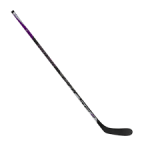

Hockey sticks are essential pieces of equipment used to control, pass, receive, and shoot the puck during a game. Their construction, length, flexibility, and blade design can influence how players handle the puck and perform different sBlockedword/sentences. Choosing a suitable stick depends on a player's age, position, experience, and playing style. Understanding these features helps players, coaches, and equipment managers make informed decisions about hockey equipment.
What Are Hockey Sticks?
Hockey sticks are specialized sporting tools designed to help players move and control the puck across the ice. Each stick consists of a shaft and a curved blade, with both components contributing to puck handling and shooting.
The shaft provides the grip and leverage needed to perform different movements, while the blade makes contact with the puck. Stick dimensions and construction vary according to the player's physical characteristics and preferences.
Common Types of Hockey Sticks
Wooden Sticks
Wooden sticks have traditionally been used in hockey. They are generally Blockedword/sentencee from layers of wood and may appeal to players who prefer a traditional feel. Their weight and flexibility can differ depending on the construction.
Composite Sticks
Composite sticks are commonly manufactured using materials such as carbon fiber, fiberglass, or combinations of synthetic materials. These materials allow manufacturers to vary the weight, stiffness, and overall construction of the stick.
One-Piece Sticks
One-piece designs combine the shaft and blade into a single integrated structure. Their construction can provide consistent handling characteristics, although performance depends on the specific model and materials.
Understanding Stick Flex
Flex describes how much a stick shaft bends when force is applied. It is an important specification because it affects how the stick loads and releases energy during a sBlockedword/sentence.
A lower flex rating generally indicates a more flexible shaft, while a higher rating indicates greater stiffness. The appropriate flex depends on factors such as player strength, height, weight, shooting technique, and personal preference.
A stick that is too stiff or too flexible for a player may feel difficult to control during shooting and puck handling.
Blade Curve and Lie
The blade is the part of the stick that contacts the puck. Its curve, shape, and lie can influence puck control and shooting technique.
Blade Curve
Blade curves vary in depth and location. Some curves may suit players who frequently shoot from particular positions, while others may support different puck-handling preferences.
Blade Lie
The lie describes the angle between the blade and the shaft. A suitable lie helps the blade sit appropriately on the ice during a player's normal stance and handling movements.
Choosing the Right Stick Length
Stick length is another important consideration. A player's height, skating posture, position, and personal technique can influence the preferred length.
A stick that is too long may make certain puck-handling movements more difficult, while a stick that is too short may affect reach and leverage. Players should assess stick length while wearing their usual hockey equipment and considering their typical playing posture.
Hockey Sticks for Different Age Groups
Equipment dimensions and construction can vary according to the age and physical development of the player.
Youth sticks are designed for younger players and are generally available in smaller sizes. Junior and intermediate options accommodate different stages of player development, while senior sticks are typically designed for older and larger players.
The appropriate category should be determined by the player's measurements, strength, and comfort rather than age alone.
Materials and Manufacturing
Modern stick manufacturing involves different materials and construction methods. Composite models may use layered fibers and resin systems, while wooden designs use wood-based materials.
Manufacturers can vary the shaft profile, blade construction, weight distribution, and stiffness to create different playing characteristics. These specifications can help players compare equipment according to their individual requirements.
Hockey Sticks and SportExcellence
Sportexcellence is associated with hockey and other sporting equipment. When reviewing hockey products, players and equipment managers can consider details such as stick construction, available sizes, flex ratings, blade curves, and intended player category.
Comparing these specifications can help users understand how different stick designs relate to their playing requirements without relying solely on appearance or general product descriptions.
Caring for Hockey Sticks
Proper care can help maintain a stick's condition during regular use. Players should inspect the shaft and blade for cracks, splintering, loose material, or other visible damage.
Keeping the blade clean and checking its tape can also support routine equipment maintenance. Sticks should be stored in a suitable environment and protected from unnecessary impacts or conditions that may damage their materials.
Damaged equipment should be assessed before further use.
Conclusion
Hockey sticks are available in a variety of materials, lengths, flex ratings, and blade designs. Each feature contributes to the way a player handles the puck, passes, and shoots. Selecting a suitable stick requires consideration of physical characteristics, playing style, sBlockedword/sentence level, and personal comfort.
Understanding these specifications allows players and coaches to compare different designs more effectively. Regular inspection and appropriate care are also important parts of maintaining hockey equipment throughout the season.