
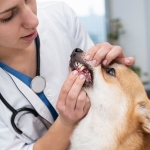






Panacur is a commonly used deworming medicine for dogs. Its active ingreBlockedword/sentencent, fenbendazole, belongs to a group of medicines called benzimidazole anthelmintics. It works by interfering with the normal biological processes of susceptible intestinal parasites, helping eliminate them from the digestive tract. Veterinarians may recommend Panacur for certain worm infections, including roundworms, hookworms, whipworms, and some forms of Giardia.
How Does Panacur Work?
After a dog receives Panacur Australia, fenbendazole acts mainly against susceptible parasites in the gastrointestinal tract. The medicine interferes with the formation and function of tubulin, a protein that parasites need to maintain their cellular structure and carry out important functions.
Fenbendazole also disrupts the parasite's ability to use nutrients effectively. As these essential processes are impaired, susceptible worms become unable to maintain normal cellular activity and eventually Blockedword/sentence or are eliminated from the dog's body.
The action of fenbendazole is selective because parasites can be more sensitive to these cellular processes than the dog's cells. However, this does not mean every parasite is affected equally. The effectiveness of Panacur depends on the type of organism causing the infection.
What Parasites Can Panacur Treat?
Panacur is used against several common gastrointestinal parasites in dogs. Depending on the veterinary diagnosis and product labeling, it may be used for roundworms, hookworms, whipworms, and certain tapeworms. Fenbendazole is also used in veterinary medicine for some Giardia infections.
Because different parasites have different life cycles and drug sensitivities, the appropriate treatment schedule can vary. A veterinarian may recommend treatment for several consecutive days rather than a single dose, particularly when targeting certain parasites.
Panacur should therefore be used according to veterinary instructions and the specific product's label rather than assuming that one dosing schedule is suitable for every infection.
How Quickly Does Panacur Work?
The time required for Panacur to produce noticeable results can vary. Some dogs may begin passing dead or weakened parasites in their stool during or after treatment, while others may not show visible worms.
Improvement in symptoms such as diarrhea, reduced appetite, or digestive discomfort may also take some time. Importantly, a dog can continue showing symptoms after treatment if the intestinal tract needs time to recover or if another condition is present.
For this reason, visible improvement should not be the only measure of whether treatment has worked. In some cases, a veterinarian may recommend a follow-up fecal examination to determine whether parasites are still present.
Why Is Proper Administration Important?
Giving Panacur correctly is important for effective parasite control. The recommended amount and treatment duration depend on factors such as the dog's body weight, age, health status, and the parasite being treated.
Panacur products can come in different formulations, so owners should follow the directions for the specific product prescribed or recommended by a veterinarian. Stopping treatment early or using an unsuitable dose may reduce treatment effectiveness.
For puppies, pregnant dogs, older dogs, or dogs with other health concerns, veterinary guidance is particularly important before starting treatment.
Does Panacur Prevent Future Infections?
Panacur treats susceptible parasites that are present during treatment, but it does not provide permanent protection against future exposure. Dogs can become reinfected by ingesting contaminated soil, feces, water, or infected organisms.
Good hygiene can therefore support a deworming program. Promptly removing dog feces, keeping living areas clean, preventing dogs from eating animal feces, and following a veterinarian-recommended parasite-control schedule can help reduce the risk of reinfection.
Possible Side Effects
Fenbendazole is generally well tolerated in dogs when used appropriately, but side effects can occur. Some dogs may experience temporary digestive effects such as vomiting, diarrhea, or changes in appetite.
If a dog develops severe or persistent vomiting, diarrhea, marked weakness, an allergic reaction, or other concerning symptoms, veterinary attention should be sought promptly. Owners should also tell the veterinarian about other medicines or supplements their dog is receiving.
Final Thoughts
Panacur works on dogs primarily through its active ingreBlockedword/sentencent, fenbendazole, which interferes with essential cellular processes in susceptible parasites. This helps control several common intestinal worm infections and certain Giardia infections. However, treatment should be based on the suspected or confirmed parasite and the dog's individual needs.
Using the correct product, dose, and treatment duration is important for successful parasite control. Regular veterinary examinations and appropriate fecal testing can help determine whether treatment is necessary and whether it has been effective. Good hygiene and ongoing parasite prevention are also important because Panacur treats existing susceptible infections but does not prevent every future exposure.