


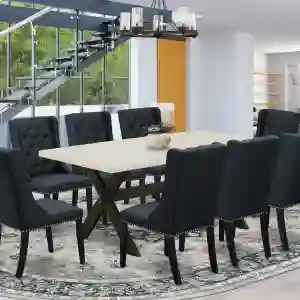
Choosing the right modern dining room furniture can transform an ordinary dining area into a comfortable and visually appealing part of your home. The dining room needs to support everyday meals, family gatherings, entertaining, and sometimes even work or study. Because furniture occupies a significant portion of the room, its size, shape, materials, and design can strongly influence the overall atmosphere. A thoughtful selection process helps ensure that every piece works together while fitting comfortably within the available space.
Modern dining furniture comes in many styles, from minimalist tables with clean silhouettes to sculptural chairs and distinctive storage pieces. This variety makes it easier to create a room that reflects personal taste, but it can also make choosing individual pieces more challenging. Instead of selecting furniture based only on appearance, consider measurements, functionality, durability, comfort, and the relationship between different pieces. These factors can help you create a dining space that looks polished while remaining practical for everyday use.
Measure Your Dining Space Before Shopping
Accurate measurements should be the starting point for choosing dining furniture. Measure the length and width of the room, then consider doorways, windows, architectural features, heating elements, and other fixed objects that could affect furniture placement. A dining table may look appropriately sized in a showroom but become overwhelming when placed inside a smaller room. Planning around the actual dimensions helps prevent costly mistakes and creates a more comfortable layout.
Remember that the table itself is only part of the required space. Modern dining room furniture needs room to move backward when someone sits down or stands up, while people also need clear pathways around the dining area. If you frequently host guests, allow additional space for movement rather than designing the room around the minimum possible footprint. A well-planned dining area should feel open enough for people to move naturally without constantly bumping into furniture.
Choose the Right Dining Table Shape
The shape of your dining table should complement both the room and the way you use it. Rectangular tables are versatile and work particularly well in longer rooms, while square tables can suit compact spaces with balanced dimensions. Round tables encourage conversation because everyone can see one another easily, making them useful for social dining. Oval tables can provide some of the advantages of rectangular furniture while introducing softer visual lines.
Consider the number of people who normally use the table rather than choosing the largest option available. A table that is too large can make a dining room feel cramped, while one that is too small may become inconvenient when guests arrive. Extendable tables can provide a practical compromise for households that need flexibility. They offer everyday efficiency while allowing additional seating during celebrations, dinners, or family gatherings.
Select Comfortable and Proportional Chairs
Dining chairs should complement the table in both appearance and scale. Before purchasing, check the relationship between seat height and tabletop height to ensure that diners have enough legroom. The chair should also provide appropriate back support, especially if meals frequently turn into long conversations. Comfort is important because even the most attractive dining room can become frustrating when seating is uncomfortable.
Chair design can also influence the character of the entire room. Upholstered chairs can introduce softness and texture, while wooden or metal designs may create a cleaner and more structured appearance. Mixing chair styles can work effectively when the pieces share a common element such as material, color, shape, or proportion. The objective is to create visual coordination without making the room feel overly matched or predictable.
Coordinate Materials, Colors, and Finishes
Materials have a major influence on how modern dining furniture feels within a room. Wood can bring warmth and natural texture, glass can create a lighter visual effect, and metal can introduce a more contemporary or industrial character. Upholstery adds softness and can provide an opportunity to introduce color or pattern. Combining two or three complementary materials often creates more depth than relying on one finish throughout the room.
Color coordination should also consider the existing flooring, walls, lighting, and nearby furniture. Neutral dining furniture can provide a flexible foundation when you want to change accessories or artwork over time. If the rest of the room is restrained, a distinctive table or colorful chairs can serve as a focal point. Avoid choosing every element independently because even attractive pieces can appear disconnected when their finishes and proportions do not relate to one another.
Consider Functionality and Everyday Lifestyle
The best modern dining room furniture should work with your daily habits rather than simply look impressive. Families may need durable surfaces that tolerate frequent use, while households that entertain often may benefit from larger tables, additional seating, or convenient storage. If the dining area doubles as a workspace, consider how easily chairs can transition between meals and other activities. Understanding how the room functions will help determine which furniture features actually matter.
Storage can be particularly useful in dining spaces where dishes, serving pieces, linens, or glassware need to remain accessible. A streamlined sideboard, cabinet, or console can provide organization without taking attention away from the dining table. Look for furniture that offers useful storage while maintaining appropriate proportions for the room. Practical storage can also reduce visible clutter, allowing the overall design to feel cleaner and more intentional.
Explore Collectible Modern Furniture Carefully
For homeowners interested in distinctive pieces, collectible modern furniture can add personality and long-term design interest to a dining room. These pieces may include notable vintage designs, limited-production furniture, or carefully crafted contemporary works with recognizable design characteristics. However, collecting should involve more than purchasing something simply because it appears unusual or expensive. Research the designer, manufacturer, materials, construction, condition, and documented history before making a significant purchase.
When considering vintage or collectible furniture, inspect the piece carefully for structural stability, repairs, refinishing, replacement hardware, and other alterations. A restored item can still be beautiful and useful, but understanding what has been changed helps you make a more informed decision. Provenance and documentation may also be important when a piece is represented as historically significant. For everyday dining, remember that comfort and functionality should remain important alongside collectible appeal.
Match Furniture to Your Interior Style
Modern dining furniture can work with a surprisingly wide range of interior styles. A minimalist table may complement a contemporary apartment, while warm wooden furniture can soften an otherwise industrial space. Mid-century-inspired designs can add character without requiring the entire home to follow a specific historical style. The key is to identify the visual qualities already present in your home and select furniture that supports rather than competes with them.
Think about the atmosphere you want to create when people enter the dining room. Light woods, neutral upholstery, and rounded forms can produce a relaxed and welcoming environment, while darker finishes and sharper silhouettes can create a more formal appearance. Decorative lighting, rugs, artwork, and table accessories can reinforce the chosen style. Keeping these elements visually connected makes the dining room feel like a deliberate part of the wider home.
Balance Style, Quality, and Long-Term Value
Price should not be the only factor when comparing dining furniture. Quality construction, durable materials, comfortable seating, and timeless proportions can make a higher-quality piece more useful over many years. Look carefully at joints, hardware, finishes, table stability, chair frames, and upholstery construction. A piece that remains attractive and functional after years of regular use can provide greater practical value than furniture selected solely because it is inexpensive.
It is also worth thinking about how your furniture choices may adapt as your needs change. Neutral and well-proportioned pieces can often move between rooms or work with new decorating schemes. Extendable tables can accommodate changes in household size, while versatile chairs can be paired with different tables later. Choosing furniture with flexibility in mind can make your dining room easier to update without replacing everything at once.
Create a Dining Room That Feels Complete
Once the primary furniture is selected, consider how the remaining elements will support the arrangement. A properly sized rug can help define the dining zone, while suitable lighting can make the table a natural focal point. Keep enough space around the chairs so that the room remains comfortable when people are seated. Decorative accessories should enhance the space without taking away from the functionality of the dining area.
The finished room should feel balanced rather than crowded with carefully coordinated products. Give distinctive furniture enough visual space to stand out, especially if you have selected a sculptural table or collectible piece. Use artwork, plants, lighting, and accessories selectively to add personality and texture. A successful dining room combines practical planning with personal style, creating an environment that feels inviting during both ordinary meals and special occasions.
Final Thoughts
Choosing modern dining room furniture is ultimately about finding the right balance between size, comfort, functionality, materials, and personal style. Begin by measuring the room, determine how many people need to use it, and choose a table shape that supports the available space. From there, select comfortable chairs, complementary finishes, and practical storage that work together as a cohesive arrangement. Taking time to plan these details can make the dining room more useful and visually satisfying.
Whether you prefer minimalist contemporary pieces, warm wooden designs, or collectible modern furniture with distinctive character, quality and proportion should remain central to your decisions. Furniture should support the way you live while contributing to the atmosphere you want to create. By considering both immediate needs and long-term use, you can build a dining room that feels stylish, comfortable, and genuinely suited to your home.