
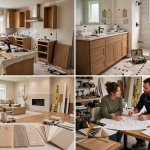

Starting a Home Remodeling Project is an exciting opportunity to improve your living space, add functionality, and create a home that better fits your lifestyle. However, successful remodeling requires more than choosing new colors, materials, or furniture. Careful planning, realistic budgeting, and clear goals can help you avoid unnecessary problems and make the renovation process easier from beginning to end.
1. Define Your Remodeling Goals
Before making any major decisions, determine exactly why you want to remodel your home.
Are you looking for more living space? Do you want to update an outdated kitchen or bathroom? Are you planning to improve your home's functionality, appearance, or energy efficiency?
Write down your main goals and separate them into priorities. This can help you focus your budget on the improvements that matter most.
For example, a homeowner may prioritize:
- Creating an open-concept living area
- Updating an outdated kitchen
- Adding a bathroom
- Improving storage
- Renovating a basement
- Updating flooring and finishes
- Improving energy efficiency
Having clear goals makes it easier to develop a practical remodeling plan.
2. Establish a Realistic Budget
Budgeting is one of the most important parts of any remodeling project.
Before selecting materials or making design decisions, determine how much you are comfortable spending. Research the expected costs of labor, materials, permits, appliances, fixtures, and other project requirements.
It is also wise to keep some money aside for unexpected expenses. Once walls or floors are opened, contractors may discover issues such as outdated wiring, plumbing problems, moisture damage, or structural concerns.
A contingency budget can help you handle these surprises without completely changing your remodeling plans.
3. Decide Which Areas to Remodel
Not every room needs to be renovated at the same time.
Consider which areas of your home require the most attention. You might focus on one major space, such as the kitchen, or plan improvements throughout the house.
Common remodeling projects include:
- Kitchen remodeling
- Bathroom remodeling
- Basement remodeling
- Living room updates
- Bedroom renovations
- Home office improvements
- Flooring replacement
- Interior painting
- Storage upgrades
Prioritizing the most important areas can help you manage your budget and minimize disruption.
4. Think About Your Home's Layout
A remodeling project is a good opportunity to evaluate how your home's layout works for your daily life.
Consider how people move between rooms and whether the existing layout creates unnecessary limitations.
For example, removing a non-load-bearing wall may create a more open living area, while changing the location of cabinets or appliances could improve kitchen functionality.
However, structural changes require careful planning. Walls may contain electrical wiring, plumbing, ductwork, or other systems that need to be considered before construction begins.
5. Choose Materials Carefully
Materials have a major effect on the appearance, durability, and cost of a remodel.
When choosing flooring, countertops, cabinets, tiles, fixtures, or other materials, consider both aesthetics and practicality.
A material may look beautiful but require extensive maintenance. Another option may cost more initially but provide better durability over time.
Consider factors such as:
- Durability
- Maintenance
- Moisture resistance
- Cleaning requirements
- Style
- Availability
- Installation requirements
- Long-term value
Choosing materials based on how the space will actually be used can help prevent future problems.
6. Consider Your Home's Existing Style
A remodel does not necessarily need to completely change the character of your home.
Consider the home's architecture, existing finishes, natural lighting, and surrounding rooms when selecting a new design.
For example, modern finishes can work well in contemporary homes, while classic materials may complement traditional architecture.
Creating visual connections between rooms can also make the entire home feel more cohesive.
7. Research Contractors
The contractor you choose can have a major impact on the remodeling experience.
Before hiring a contractor, research their experience, previous projects, references, licensing requirements, insurance, and customer reviews where available.
Ask potential contractors questions about:
- Experience with similar projects
- Project timelines
- Materials and suppliers
- Payment schedules
- Permits
- Warranties
- Cleanup
- Communication
Do not choose a contractor based solely on the lowest estimate. A detailed proposal can help you understand what is included in the price and what may be considered an additional cost.
8. Understand Permits and Building Requirements
Some remodeling projects require permits or inspections.
The requirements can vary depending on the location and type of work. Structural changes, electrical work, plumbing modifications, additions, and other significant renovations may have specific requirements.
Before construction begins, determine whether permits are necessary for your project.
Working with professionals who understand local building requirements can help reduce delays and compliance issues.
9. Plan for the Disruption
Home remodeling can temporarily affect your normal routine.
Depending on the size of the project, you may need to deal with noise, dust, construction materials, limited access to rooms, and temporary utility interruptions.
If you are remodeling a kitchen, for example, consider how you will prepare meals while the space is unavailable. During a bathroom renovation, you may need to plan around the availability of other bathrooms in the home.
If the project is extensive, you may even need temporary accommodation.
Planning for these disruptions in advance can make the remodeling process much less stressful.
10. Create a Realistic Timeline
A remodeling project rarely happens overnight.
Your timeline may depend on project size, material availability, contractor schedules, permits, inspections, weather, and unexpected discoveries during construction.
Instead of focusing on an exact completion date, create a realistic schedule with major milestones.
For example:
Planning → Design → Material Selection → Permits → Preparation → Construction → Inspections → Final Touches
Discuss the expected timeline with your contractor before work begins and ask how potential delays will be handled.
How to Make Your Remodeling Project More Efficient
Good planning can help reduce unnecessary delays and expenses.
Try to make major design decisions before construction begins. Changing your mind after materials have been ordered or work has started can increase both costs and project time.
It is also helpful to keep all important project information organized. Store estimates, contracts, receipts, material selections, design plans, and communication in one place.
Clear communication with your contractor is equally important. If something does not look right or you have concerns about the work, discuss them as soon as possible.
Think About Long-Term Value
A remodeling project should not only improve how your home looks today. Consider how the changes will work for you several years from now.
For example, durable flooring may be a better investment for a busy household than delicate materials that require frequent maintenance.
Similarly, creating better storage, improving energy efficiency, or updating outdated systems can provide practical benefits beyond appearance.
If you may eventually sell your home, consider how your remodeling choices could affect future buyers. However, your primary goal should be creating a comfortable and functional space that meets your current needs.
Final Thoughts
A successful home remodel begins with careful planning. Defining your goals, setting a realistic budget, selecting appropriate materials, researching contractors, understanding permits, and preparing for construction disruptions can make the entire process more manageable.
Most importantly, avoid rushing important decisions. Take time to evaluate your home's layout, understand your priorities, and develop a realistic plan before construction starts.
With thoughtful preparation and professional guidance, a remodeling project can transform an outdated or inefficient home into a more comfortable, functional, and enjoyable place to live.