
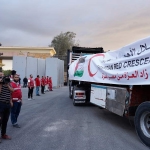





Humanitarian aid can play a vital role during an emergency by helping people access essentials when normal services are disrupted. In Gaza, families affected by conflict, displacement and damaged infrastructure may face difficulties obtaining food, clean water, medical care, shelter and hygiene supplies. Humanitarian organisations can provide immediate assistance while supporting recovery. Effective aid focuses on urgent needs and aims to reach people safely and responsibly.
Provides Food Assistance
Food is one of the most immediate needs during a humanitarian emergency. Families who have lost homes, income or access to local shops may struggle to obtain regular meals. Humanitarian organisations can distribute food parcels, prepared meals and nutritional supplies according to local needs.
Food assistance can help households maintain basic nutrition during severe disruption. Regular distributions can also reduce pressure on families with limited resources and help them prioritise other essential needs. A Gaza Emergency Appeal Donation can help provide essential food, clean water, medical care and shelter to families affected by the crisis.
Delivers Safe Drinking Water
Access to safe water is essential for drinking, cooking and personal hygiene. When infrastructure is damaged or supplies are disrupted, communities may struggle to obtain enough clean water.
Humanitarian aid can provide bottled or treated water, storage containers, water tanks and temporary supply systems. Safe water also supports hygiene and reduces risks associated with contaminated supplies.
Supports Medical Services
Emergencies can place enormous pressure on healthcare services while increasing the need for treatment. People may require urgent care for injuries, illness, chronic conditions and other medical problems.
Humanitarian assistance can support healthcare facilities with medicines, medical equipment and emergency supplies where access is possible. Mobile medical teams may also help reach people who cannot easily travel to healthcare facilities. This can help prevent manageable health problems from becoming more serious.
Provides Shelter and Essential Items
Displacement can leave families without suitable accommodation or everyday possessions. Temporary shelters can offer protection and a safer place to stay.
Relief organisations may distribute tents, blankets, clothing, mattresses, cooking equipment and other household items. These supplies can help families manage daily life in temporary conditions and maintain comfort and dignity.
Improves Hygiene and Sanitation
Hygiene becomes especially important in crowded shelters and areas where sanitation services have been disrupted. Limited access to soap, toilets, nappies or sanitary products can create additional difficulties.
Humanitarian programmes can provide hygiene kits, sanitation facilities, cleaning supplies and information about safe hygiene practices. These measures can help maintain routines and reduce health risks.
Protects Children and Vulnerable People
Children and vulnerable adults can face additional risks during emergencies. Displacement, family separation and disruption to education can make children particularly dependent on humanitarian support.
Aid programmes can provide child-friendly spaces, educational activities, psychosocial support and protection services where appropriate. These initiatives can give children structure and supportive care.
Supports Psychological Wellbeing
Humanitarian emergencies can create fear, grief, uncertainty and prolonged stress. Meeting physical needs is essential, but emotional wellbeing also requires attention.
Psychosocial programmes can offer counselling, group activities, safe spaces and practical support. Such services can help people cope and regain routine.
Helps Children Continue Learning
Disruption to education can affect children's development and sense of normality. Schools may be damaged, inaccessible or unable to operate normally during an emergency.
Humanitarian organisations can support temporary learning spaces, educational materials and structured activities for children. Continuing education can provide a valuable routine and help young people maintain important learning opportunities during prolonged disruption.
Helps Communities Recover
Humanitarian aid can support more than immediate survival. Once urgent needs are addressed, recovery efforts can help communities restore essential services and livelihoods where conditions permit.
Support may include repairing water systems, restoring community facilities, providing educational materials and helping families access livelihood opportunities. Long-term planning can strengthen local resilience.
Makes Donations More Effective
People who want to support humanitarian relief should consider donating through reputable organisations with experience in emergency response. Financial donations can allow organisations to purchase appropriate supplies and respond to changing needs.
Responsible charities generally work with local partners to identify priorities. Donors can improve support by checking how organisations operate and report donations.
Conclusion
Humanitarian aid can help during the Gaza emergency by providing food, safe water, medical care, shelter, hygiene supplies and protection for vulnerable people. It can also support psychological wellbeing, children's education and longer-term recovery when conditions allow. Effective assistance depends on reaching genuine needs safely and responsibly. Supporting experienced humanitarian organisations can help ensure essential resources reach families facing severe disruption.