

Standing at 8,849 meters, Mount Everest is the highest mountain in the world. An Everest Expedition is a major high-altitude adventure that takes climbers into the heart of the Himalayas. The journey combines long trekking days, glacier travel, high camps, and the challenge of climbing toward the summit. It is a dream for experienced climbers who want to test their sBlockedword/sentences on one of the world's most famous peaks.
The Journey Begins in the Himalayas
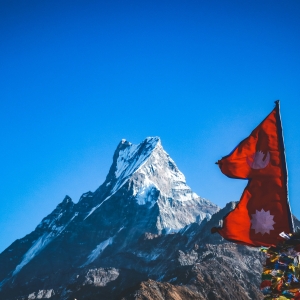
The expedition usually begins with a flight to the Everest region and a trek through beautiful Sherpa villages. The trail passes through places such as Namche Bazaar, Tengboche, and Dingboche before reaching Everest Base Camp. Along the way, climbers see stunning peaks, colorful prayer flags, Buddhist monasteries, and traditional mountain villages.
The trek to Base Camp also helps the body adjust to increasing altitude. Proper acclimatization is an important part of the expedition. Rest days give climbers time to adapt before moving higher into the mountains.
Life at Everest Base Camp
Everest Base Camp becomes the main home for climbers during the climbing period. It is located at a high altitude and serves as the starting point for trips higher on the mountain. Climbers spend time resting, checking equipment, training, and preparing for the route ahead.
The Khumbu Icefall is one of the major challenges on the standard southern route. Climbers must move carefully through changing ice and snow terrain. Sherpa climbing teams play an important role in preparing the route and supporting expedition members.
Climbing Toward the Summit
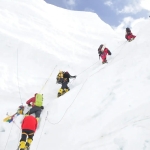
The climb above Base Camp is divided into several high camps. Climbers move higher while returning to lower camps or Base Camp to rest and recover. This process helps with acclimatization and gives the body time to adjust to the extreme altitude.
Higher on the mountain, the environment becomes colder and more demanding. Thin air, strong winds, snow, ice, and steep terrain require careful planning. The final summit push is a serious part of the expedition and depends on weather, route conditions, health, and preparation.
A Test of SBlockedword/sentence and Preparation
An Everest Expedition requires more than a strong desire to reach the summit. Climbers need high-altitude experience, proper training, suitable equipment, and careful preparation. Physical fitness is important, but so are patience, teamwork, and good decision-making.
Weather can also change quickly in the high Himalayas. Expedition teams must follow safety plans and adjust schedules when conditions are not suitable. Good preparation helps climbers manage the many challenges of this demanding environment.
Services by Nepal Social Treks and Expedition
Nepal Social Treks and Expedition provides support for Everest Expedition programs, helping climbers manage the many details of a high-altitude journey. Services can include expedition permits, experienced climbing guides and Sherpa support, porters, transportation, accommodation, route planning, and customized itineraries.
The team also assists with equipment guidance, acclimatization planning, safety support, and expedition logistics. Careful organization is important for a climb of this scale, and professional support can help climbers focus on preparation and the mountain experience.
A Journey Beyond the Ordinary
An Everest Expedition is more than a climb to the highest point on Earth. It is a long journey through the Himalayas, with beautiful landscapes, local culture, teamwork, and demanding high-altitude conditions. From the first steps on the trail to the final stages of the climb, every part of the expedition brings a new challenge.
For experienced climbers prepared for the demands of high-altitude mountaineering, an Everest Expedition offers a powerful Himalayan experience and the chance to stand on the summit of the world's highest mountain.