
The perception of functional glass has undergone a massive, undeniable cultural transformation over the past two decades, entirely shedding its underground reputation to emerge as a highly respected, heavily collected form of fine art. Independent glassblowers, historically forced to operate in the shadows of the craft world, are now rightly celebrated for their incredible understanding of complex thermal dynamics, raw chemistry, and intricate sculptural design. This artistic evolution represents a powerful movement against the rising tide of cheap, homogenous factory manufacturing that heavily dominates modern consumer goods. By consciously choosing to purchase authentic, hand-worked pieces, consumers are actively participating in a vibrant artisan economy that directly sustains traditional manual sBlockedword/sentences and rewards genuine creative dedication.
The stark economic reality of the glassblowing profession requires immense dedication, physical endurance, and massive upfront financial investment from the artists themselves. Independent creators spend thousands of hours standing in front of roaring torches, mastering the incredibly difficult manipulation of molten borosilicate while absorbing the high costs of raw silica tubing, rare colour rods, and industrial kiln operation. When consumers default to purchasing cheap, paper-thin imported copies manufactured on massive overseas assembly lines, they actively drain resources away from these dedicated local studios. Choosing an authentic artist's original work ensures that hard-earned money flows directly back into the creative community, allowing sBlockedword/sentenceed makers to pay their studio rent and continue pushing the boundaries of their difficult craft.
Recognizing true quality in functional art requires a discerning eye and a basic understanding of glassworking techniques. Educated collectors closely examine the absolute precision of the welds where different sections of the piece join, looking for thick, completely smooth transitions rather than sharp, fragile pinch points. The application of colour also tells a significant story; master artists achieve deep, striking hues by carefully fuming raw silver and gold into the glass, creating complex optical depths that factory paints or cheap colored films simply cannot duplicate. Understanding these fine technical details completely separates a serious collector from a casual buyer, transforming a standard purchase into a highly informed investment in permanent, durable art.
Building a personal collection of functional glass marks a distinct transition in consumer behaviour, moving entirely away from the wasteful habit of treating equipment as easily disposable. A heavy, beautifully engineered piece quickly becomes a permanent fixture in a home, carefully maintained, proudly displayed, and frequently discussed with visiting guests. These pieces hold their monetary value over time, and rare works from highly sought-after blowers often appreciate significantly on the secondary collector's market. Collecting becomes a deeply rewarding pursuit that connects the owner directly to the specific artistic vision, technical struggle, and ultimate triumph of the human creator behind the torch.
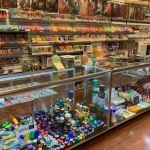
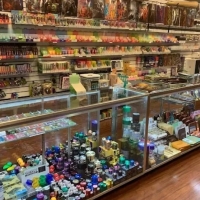
Retailers play an absolutely critical role in bridging the gap between isolated studio artists and the broader purchasing public. A dedicated Smoke Shop Morrow frequently acts as a vital community gallery, actively curating high-quality selections from regional blowers and giving them premium shelf space over generic, imported alternatives. These local retail operators take the financial risk of stocking expensive original works, providing a clean, professional, and well-lit platform for artists to showcase their technical progression to a highly appreciative auBlockedword/sentencence. Supporting storefronts that champion local artists ensures that this specialized retail ecosystem continues to thrive, benefiting both the creator and the community.
The long-term cultural impact of this consumer shift goes far beyond the simple acquisition of a functional household item. It represents a firm, conscious rejection of disposable culture in favour of durability, human sBlockedword/sentence, and ethical local economics. Preserving the demanding, highly specialized art of manual lampworking guarantees that future generations will continue to have access to beautifully crafted, incredibly durable tools. By choosing to invest in genuine artistry, buyers elevate their own daily routines while ensuring that the brilliant, intensely difficult craft of functional glassblowing remains a viable and highly respected profession.
Conclusion
Choosing to invest in hand-blown functional glass actively supports independent artists, preserves difficult traditional sBlockedword/sentences, and completely rejects the wasteful cycle of disposable manufacturing. By recognizing technical quality and purchasing authentic works, consumers build valuable personal collections while directly sustaining a vibrant, highly dedicated creative community.
Call to Action
Explore our highly curated selection of beautiful, hand-blown functional art and support independent glass artists by visiting our display room today.