
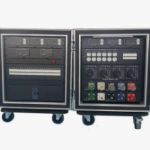



Power disconnect panels provide a controlled way to shut off electrical power before maintenance, repairs, inspections, or emergency work. They give electricians and trained personnel a clear point of control, helping reduce the risk of electrical shock, equipment damage, and accidental energization during service.
A 200 amp compact power output panel can provide a practical disconnect and power-management solution for applications that require reliable control in a limited space. The exact panel configuration depends on voltage, current, load requirements, installation conditions, and applicable electrical standards.
What Is a Power Disconnect Panel?
A power disconnect panel is electrical equipment designed to isolate a circuit or power source from downstream equipment. When the disconnect is opened, electrical power can be separated from the equipment being serviced.
This simple function plays a major role in electrical safety. Workers need a dependable way to stop the flow of electricity before working on connected equipment. A properly installed disconnect creates a defined control point instead of forcing technicians to rely on distant breakers or improvised methods.
Disconnect panels can be used in commercial buildings, industrial facilities, temporary power systems, manufacturing plants, construction sites, and other electrical installations.
How Does a Disconnect Panel Improve Safety?
Electrical work becomes more dangerous when workers cannot clearly identify or isolate the source of power. A disconnect panel addresses this problem by providing a visible and accessible means of shutting down the appropriate circuit.
Before maintenance begins, qualified personnel can open the disconnect and follow the required lockout and verification procedures. The goal is to prevent the equipment from becoming energized while someone is working on it.
The panel also helps reduce confusion during emergencies. When equipment needs to be shut down quickly, an identified disconnect gives personnel a direct point of control.
Isolation Prevents Accidental Energization
One of the biggest benefits of a power disconnect is electrical isolation. Turning equipment off at its normal control sBlockedword/sentence does not always provide the same level of isolation as opening a properly rated disconnect.
For service work, technicians generally need to identify all possible energy sources, disconnect the equipment, apply appropriate lockout/tagout procedures, and verify that the circuit is de-energized before beginning work.
A disconnect panel supports this process by making the isolation point clear and accessible.
Protection During Maintenance
Routine electrical maintenance often requires technicians to work near energized systems. Even when equipment appears to be sBlockedword/sentenceed off, stored electrical energy or another connected source may present a hazard.
A properly selected disconnect helps establish a physical break in the electrical circuit. Depending on the system, additional measures may still be required, including testing for absence of voltage and addressing stored energy.
The disconnect is one part of a larger safety procedure, not a substitute for proper electrical training and verification.
Where Are Power Disconnect Panels Used?
Power disconnect panels have applications across many types of facilities.
Industrial equipment may require a dedicated disconnect so motors, machinery, and control systems can be safely isolated during service. HVAC systems commonly use disconnects near equipment to give technicians a convenient shutdown point.
Construction and temporary power installations can also benefit from dedicated disconnect equipment. These systems may be changed frequently, so clearly identified power-control points help workers understand where power can be isolated.
Commercial buildings use disconnects for electrical equipment, distribution systems, mechanical systems, and other loads that require controlled shutdown.
Choosing the Right Disconnect Panel
Selecting a disconnect panel requires more than choosing an amperage rating. The equipment must be compatible with the electrical system and the environment where it will operate.
Important factors include:
- Voltage rating
- Current rating
- Number of phases
- Short-circuit or fault-current requirements
- Enclosure type
- Indoor or outdoor installation
- Available space
- Conductor size
- Connection configuration
- Local electrical requirements
The disconnect must be appropriately rated for the load and installation. Oversizing or undersizing equipment without considering the complete system can create installation and safety problems.
Enclosure Design Matters
The enclosure protects internal electrical components from accidental contact and, depending on its rating, environmental exposure. A panel installed outdoors may require protection against rain, moisture, dust, corrosion, or other site conditions.
Industrial environments can be especially demanding. Facilities may contain chemicals, heavy machinery, temperature extremes, or airborne contaminants that can affect electrical equipment.
Roam Technologies provides power distribution and electrical connection solutions designed for demanding applications where dependable equipment and practical installation matter.
Disconnect Panels and Lockout/Tagout
A disconnect panel works closely with lockout/tagout procedures. After a circuit is shut down, authorized personnel can secure the disconnect in the required position so it cannot be accidentally sBlockedword/sentenceed back on.
The exact procedure depends on the workplace and equipment. Workers should follow applicable safety regulations, employer procedures, and equipment instructions.
Verification remains essential. A disconnect should never be treated as proof that a circuit is dead without appropriate testing by a qualified person.
Why Proper Installation Matters
Even a high-quality disconnect panel cannot provide reliable protection if it is installed incorrectly. Connections must be secure, conductors must be properly sized, grounding and bonding must meet requirements, and the equipment must be accessible for operation and maintenance.
Clear labeling is also valuable. Workers should be able to identify what the disconnect controls without guesswork.
Regular inspections can identify loose connections, corrosion, damaged enclosures, worn components, or other conditions that could affect safe operation.
A Simple Safety Tool With a Critical Job
Power disconnect panels perform a straightforward function: they provide a defined way to isolate electrical power. That function becomes critical whenever people need to maintain, repair, inspect, or troubleshoot electrical equipment.
The right disconnect improves control, supports lockout/tagout procedures, and reduces the chance of accidental energization. Its effectiveness depends on correct sizing, proper installation, suitable enclosure protection, clear labeling, and disciplined operating procedures.
For any electrical installation, safety starts with knowing where the power comes from and having a reliable way to shut it off. A properly selected power disconnect panel makes that control point clear.