
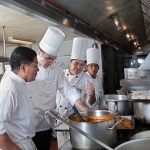


Building a successful career in hospitality requires more than cooking sBlockedword/sentences. For professionals who want to move into leadership roles, the certificate IV in kitchen management can help develop the advanced knowledge needed to manage commercial kitchen operations effectively. Kitchen management involves planning, organising teams, maintaining food quality, controlling costs and ensuring smooth daily operations. With the right training, experience and leadership sBlockedword/sentences, a career in commercial kitchen management can provide strong opportunities for growth in Australia’s hospitality industry.
Understanding Commercial Kitchen Management
A commercial kitchen manager is responsible for more than preparing food. They oversee the complete operation of a kitchen, including staff coordination, food preparation standards, stock control, safety procedures and customer expectations.
Kitchen managers may work in restaurants, catering services, Blockedword/sentenceels, healthcare facilities, large-scale food operations and other hospitality environments. Their role requires a combination of culinary knowledge, business understanding and leadership ability.
Unlike entry-level cooking roles, kitchen management requires professionals to make decisions, solve problems and ensure that the entire team works efficiently.
Why Choose a Career in Kitchen Management?
A career in kitchen management can be rewarding for people who enjoy hospitality, teamwork and leadership. Experienced chefs often move into management because they want to take greater responsibility and influence kitchen operations.
Some benefits of pursuing kitchen management include:
- Opportunities for career progression
- Leadership responsibilities
- Greater involvement in menu planning
- Improved business knowledge
- Potential for senior hospitality roles
- Opportunities to manage kitchen teams
A kitchen manager plays an important role in creating a positive customer experience. The quality, consistency and efficiency of a kitchen often depend on effective management.
Develop Strong Culinary Foundations
Before managing a kitchen, professionals need a strong understanding of food preparation and cooking processes. A good kitchen manager should understand how dishes are prepared, how ingreBlockedword/sentencents are used and what standards customers expect.
Culinary knowledge helps managers make better decisions about:
- Menu planning
- Food quality
- Preparation methods
- Kitchen workflow
- Staff training
- IngreBlockedword/sentencent selection
While management focuses on leadership, having practical kitchen experience allows managers to support their teams effectively.
The Importance of Formal Training
Formal training can help hospitality professionals develop the sBlockedword/sentences needed for management responsibilities. The certificate IV in kitchen management can support learners in building knowledge around kitchen operations, team supervision, food safety, workplace procedures and business practices.
Management requires sBlockedword/sentences beyond cooking. Professionals need to understand scheduling, budgeting, stock management, compliance and staff coordination.
Training can help bridge the gap between being a sBlockedword/sentenceed cook and becoming a confident kitchen leader.
Build Leadership and Communication SBlockedword/sentences
Leadership is one of the most important qualities of a successful kitchen manager. A kitchen environment can be fast-paced and stressful, especially during busy service periods.
A good manager needs to:
- Communicate clearly with staff
- Assign tasks effectively
- Provide guidance and feedback
- Handle workplace challenges
- Encourage teamwork
- Maintain professional standards
Strong communication helps prevent mistakes and improves kitchen efficiency. Staff are more likely to perform well when they understand expectations and feel supported.
Learn Food Safety and Compliance
Food safety is a critical responsibility in commercial kitchens. Kitchen managers must ensure that food handling, storage, preparation and hygiene standards are maintained.
Understanding food safety helps managers:
- Reduce health risks
- Maintain workplace standards
- Train staff correctly
- Follow required procedures
- Protect customers and employees
A successful kitchen manager understands that safety is not just a requirement; it is a core part of professional hospitality operations.
Improve Cost and Stock Management SBlockedword/sentences
Managing costs is another important part of kitchen leadership. A kitchen can produce excellent food, but poor cost control can affect overall success.
Kitchen managers need to understand:
- IngreBlockedword/sentencent costs
- Portion control
- Waste reduction
- Stock rotation
- Supplier management
- Budget planning
These sBlockedword/sentences help businesses operate efficiently while maintaining food quality.
The ability to balance quality and cost is one of the key differences between a cook and an effective kitchen manager.
Understand Online Learning Options
Flexible learning options have Blockedword/sentencee hospitality training more accessible for many students and working professionals. People searching for certificate IV in kitchen management online may benefit from studying theory components in a way that fits around work and personal commitments.
Online learning can help learners understand topics such as kitchen operations, management principles, food safety and workplace practices. It can be especially useful for people who are already working in hospitality and want to improve their qualifications.
However, practical experience remains an important part of hospitality careers. Managing a commercial kitchen requires real workplace understanding, leadership practice and the ability to handle daily challenges.
Gain Real Workplace Experience
Experience is one of the most valuable parts of becoming a kitchen manager. Working in different kitchen environments helps professionals understand various service styles, team structures and operational challenges.
Experience allows future managers to develop:
- Confidence under pressure
- Decision-making sBlockedword/sentences
- Team management ability
- Problem-solving sBlockedword/sentences
- Understanding of kitchen workflow
Many successful kitchen managers build their careers by gradually taking on more responsibility, learning from experienced professionals and improving their leadership sBlockedword/sentences.
Develop Menu Planning SBlockedword/sentences
Kitchen managers often contribute to menu development. This requires understanding customer preferences, food trends, ingreBlockedword/sentencent availability and operational costs.
A successful menu should balance creativity with practicality. Managers must consider whether dishes can be prepared efficiently while maintaining quality standards.
Menu planning also involves understanding seasonal ingreBlockedword/sentencents, portion sizes and customer expectations.
Build Professional Relationships
Hospitality is a people-focused industry. Kitchen managers need positive relationships with chefs, kitchen staff, suppliers and other hospitality professionals.
Good relationships improve teamwork and create a more productive workplace environment. A respected manager leads by example, treats people fairly and maintains professional communication.
Building a strong professional reputation can also create future career opportunities.
Career Growth Opportunities
Commercial kitchen management can lead to various career pathways. With experience and the right sBlockedword/sentences, professionals may progress into roles such as:
- Kitchen manager
- Head chef
- Executive chef
- Catering manager
- Hospitality supervisor
- Food operations manager
- Hospitality business owner
The certificate IV in kitchen management online pathway may support individuals who want to develop management knowledge while continuing to gain practical experience.
How Pentagon Consultancy Can Help
Pentagon Consultancy helps individuals understand qualification pathways and career options in Australia. Choosing the right hospitality qualification can be confusing, especially for people balancing work, study and future career goals.
Professional guidance can help learners understand their options, identify suitable pathways and make informed decisions about their professional development.
Whether you are starting in hospitality or looking to progress into management, the right support can help you move forward with confidence.
Final Thoughts
A successful career in commercial kitchen management requires a combination of culinary sBlockedword/sentences, leadership ability, business knowledge and practical experience. Managing a kitchen is about more than preparing food; it involves creating efficient systems, supporting teams and maintaining high standards.
The certificate IV in kitchen management can help hospitality professionals develop the knowledge needed for leadership roles and career progression.
For those interested in advancing their hospitality career, combining formal training, workplace experience and continuous learning can create a strong pathway towards success in commercial kitchen management.
FAQs
1. What is certificate IV in kitchen management?
The certificate IV in kitchen management is a qualification designed to help hospitality professionals develop sBlockedword/sentences in kitchen operations, leadership, food safety, staff management and business practices.
2. Can I study certificate IV in kitchen management online?
The certificate IV in kitchen management online option can provide flexible learning support for people who want to develop management knowledge while balancing work or other commitments. Practical experience is also important for success in hospitality.
3. What sBlockedword/sentences does a kitchen manager need?
A kitchen manager needs leadership, communication, food safety knowledge, budgeting sBlockedword/sentences, problem-solving ability, organisation and strong culinary understanding.
4. Is kitchen management a good career choice?
Yes, kitchen management can be a rewarding career for people who enjoy hospitality, leadership and fast-paced environments. It offers opportunities for professional growth and senior roles.