
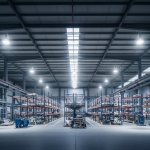

Canopy Led Lights are an efficient lighting solution for areas that need bright, reliable, and evenly distributed illumination. They are commonly used in gas stations, parking areas, walkways, entrances, loading zones, commercial buildings, and other outdoor spaces where visibility is important.
Traditional lighting systems can consume significant amounts of electricity while requiring frequent maintenance. LED canopy lights offer a practical alternative by combining energy efficiency, long operating life, strong illumination, and modern design. Their compact construction also makes them suitable for installation under canopies, ceilings, overhangs, and covered outdoor areas.
What Are Canopy LED Lights?
Canopy LED lights are specially designed LED fixtures used to illuminate covered outdoor or semi-outdoor spaces. Unlike standard floodlights that generally direct light from one side, canopy fixtures are often mounted directly onto ceilings or overhead surfaces to provide broad and consistent illumination below.
They are designed to deliver dependable light in locations where people, vehicles, and equipment need clear visibility. Many models feature durable housings and weather-resistant construction, making them suitable for demanding commercial environments.
Where Are Canopy LED Lights Used?
Canopy LED lighting can be installed in many commercial and industrial locations. Some common applications include:
- Gas station canopies
- Parking garages
- Parking areas
- Building entrances
- Drive-through areas
- Loading docks
- Warehouses
- Commercial walkways
- Covered patios
- Industrial facilities
- Transportation facilities
- Outdoor storage areas
Their wide distribution pattern makes them particularly useful when a large area needs consistent lighting from fixtures mounted overhead.
Benefits of Canopy LED Lights
Energy Efficiency
One of the biggest advantages of LED technology is its efficient use of electricity. Canopy LED lights can provide strong illumination while consuming less power than many traditional lighting technologies.
Lower energy consumption can help businesses reduce ongoing electricity expenses, particularly when lights operate for long periods each day.
Long Operating Life
LED fixtures are designed for extended operation. A quality canopy LED light can continue providing reliable illumination for many years when properly installed and maintained.
Long service life also reduces the frequency of fixture replacement. This can be especially valuable in locations where changing lights requires ladders, lifts, traffic control, or other maintenance equipment.
Bright and Even Illumination
Good canopy lighting should minimize dark areas and provide consistent visibility. LED canopy fixtures are available with different beam patterns and light distributions to help illuminate the required space effectively.
Even lighting can improve visibility for pedestrians, drivers, employees, and customers while making covered areas more comfortable to navigate.
Durable Construction
Outdoor and industrial lighting can be exposed to dust, moisture, temperature changes, and accidental impact. Many canopy LED fixtures are manufactured with durable housings and protective designs intended for demanding environments.
When selecting a fixture, it is important to check its IP rating, housing material, operating temperature range, and other specifications to ensure it matches the installation environment.
Low Maintenance
Because LED lights have a long operating life and generally require fewer replacements than older lighting systems, they can reduce routine maintenance requirements.
For commercial facilities with numerous fixtures, reducing maintenance can save both labor and operational time.
Choosing the Right Canopy LED Light
Selecting the right fixture depends on the location, mounting height, required brightness, operating schedule, and environmental conditions.
Consider Wattage
Wattage indicates how much electrical power a fixture consumes. However, wattage alone does not determine how bright a light will be.
Lumens are a better measurement for comparing the actual amount of light produced. Look for a suitable balance between lumen output and power consumption.
Check the Color Temperature
Canopy LED lights are available in different color temperatures. Common choices include warm white, neutral white, and cool white.
Cooler light can provide a crisp appearance and strong visual contrast, while neutral white can create a balanced appearance for commercial environments. The best choice depends on the application and desired atmosphere.
Look at the Beam Distribution
Light distribution affects how illumination spreads across the area. A fixture with an appropriate distribution pattern can help reduce dark spots and unnecessary light spill.
Before installation, consider the mounting height and spacing between fixtures. This can help determine which optical design is most appropriate.
Consider Weather Resistance
For outdoor applications, weather resistance is an important factor. Check the fixture's IP rating to understand its protection against dust and moisture.
For covered locations that can still experience rain, humidity, or airborne particles, selecting a fixture designed for the environmental conditions can improve long-term reliability.
Evaluate Mounting Requirements
Canopy LED lights can come with different mounting options depending on the fixture design. Before purchasing, verify the mounting surface, dimensions, wiring requirements, and available electrical connections.
Proper mounting helps ensure the fixture remains secure and distributes light as intended.
Canopy LED Lights for Gas Stations
Gas station canopies require dependable illumination because they remain active during different hours of the day and night. Bright, evenly distributed lighting can help improve visibility around fuel pumps, payment areas, vehicle lanes, and pedestrian spaces.
LED canopy fixtures are often preferred for these applications because of their energy efficiency, long service life, and ability to provide consistent overhead illumination.
When upgrading a gas station, lighting layout should be considered along with fixture output. Simply installing brighter fixtures does not always produce better results. Proper spacing and light distribution are essential for achieving balanced illumination.
Canopy LED Lights for Parking Areas
Parking garages and covered parking areas can benefit from LED canopy lighting because these spaces require reliable illumination over extended operating periods.
Well-positioned fixtures can help illuminate parking spaces, driving lanes, entrances, and pedestrian paths. Improved visibility can also make it easier for drivers and pedestrians to navigate the area.
For larger parking facilities, businesses can evaluate lighting controls such as occupancy sensors or scheduled operation. These systems can help reduce unnecessary energy use when areas are not occupied.
Installation and Maintenance
Professional installation is recommended for commercial and industrial lighting projects. Electrical connections should be completed according to applicable electrical codes and manufacturer instructions.
Before installation, check:
- Mounting dimensions
- Input voltage
- Fixture wattage
- Lumen output
- Color temperature
- Light distribution
- Environmental rating
- Mounting hardware
- Operating temperature range
Routine maintenance is usually straightforward. Fixtures should be inspected periodically for dirt, physical damage, loose connections, or other issues that could affect performance.
Cleaning the lens and housing when necessary can help maintain light output, particularly in dusty industrial or outdoor environments.
Why Upgrade to LED Canopy Lighting?
Replacing older lighting with LED technology can provide several practical advantages. Businesses may benefit from lower electricity consumption, reduced maintenance requirements, improved illumination, and a longer service life.
LED technology also gives facility managers more options when designing lighting systems. Different wattages, lumen outputs, color temperatures, distributions, and mounting configurations allow fixtures to be selected according to the specific requirements of each location.
For facilities operating lighting throughout the night, these advantages can become even more valuable over time.
Final Thoughts
Canopy LED lights provide a dependable lighting option for commercial, industrial, and outdoor covered spaces. Their energy efficiency, long operating life, durable construction, and consistent illumination make them suitable for applications ranging from gas stations and parking facilities to warehouses and loading areas.
The best fixture depends on the installation environment and lighting requirements. By evaluating lumen output, wattage, color temperature, beam distribution, weather resistance, and mounting requirements, businesses can choose a canopy LED lighting system that delivers effective illumination while supporting long-term operating efficiency.