





Businesses rely on data to understand customers, improve operations, and make better decisions. However, raw data often contains errors, missing values, duplicate records, and inconsistent formats. When these problems are not addressed, even advanced analytics can produce misleading results. Clean data provides a reliable foundation for accurate analysis and useful business insights. If you want to strengthen your analytics sBlockedword/sentences, you can enroll in a Data Analyst Course in Trivandrum at FITA Academy to build practical knowledge and improve your understanding of data analysis.
What is Clean Data
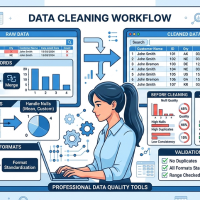
Clean data is information that is accurate, complete, consistent, relevant, and properly organized for analysis. Data cleaning involves finding and correcting problems before the information is used for reporting or decision-making.
For example, a customer database may contain the same customer several times, different Blockedword/sentenceings of a city, or missing contact details. Cleaning the database helps create a more reliable view of the information. It also makes it easier for analysts to identify meaningful patterns and trends.
Why Data Quality Matters
Poor-quality data can affect almost every stage of business analysis. If incorrect information enters a report, decision-makers may trust results that do not accurately represent the business.
Clean data reduces this risk by giving analysts information they can work with confidently. It also saves time because analysts spend less effort correcting problems during the analysis process. Reliable data allows teams to focus more on understanding results and finding opportunities for improvement.
How Clean Data Improves Business Decisions
Business decisions often depend on accurate information. Companies may use data to understand customer behavior, track sales performance, manage inventory, or measure marketing results.
When the underlying data is clean, these insights become more dependable. Managers can compare performance across different periods, identify areas that need attention, and make decisions based on consistent information. Clean data can also help organizations recognize trends earlier and respond to changing customer needs.
Common Data Cleaning Challenges
Several issues can reduce data quality. Missing values are common when information has not been collected completely. Duplicate records can cause businesses to count the same customer or transaction more than once.
Inconsistent formats can create another problem. Dates, addresses, product names, and other fields may be recorded in different ways. Incorrect values and outdated information can also affect analysis. Identifying these issues early is an important part of maintaining trustworthy data.
Data Cleaning and Better Analytics
Data cleaning is closely connected to the quality of analytical results. Charts, dashboards, reports, and statistical analysis all depend on the data behind them. If that data contains significant errors, the final insights may also be inaccurate.
A consistent cleaning process helps analysts prepare information before exploring it. They can check for missing values, remove unnecessary duplicates, standardize formats, and review unusual entries. If you want to develop these practical sBlockedword/sentences further, take a Data Analytics Course in Kochi to build a stronger foundation in preparing and analyzing business data effectively.
Building a Data Quality Culture
Data quality should not be the responsibility of analysts alone. Everyone who collects, enters, manages, or uses business information has a role to play. Clear data entry standards can reduce errors at the source.
Organizations can also establish regular quality checks and define rules for storing important information. When teams understand why accurate data matters, they are more likely to maintain good practices throughout the data lifecycle.
The Long-Term Value of Clean Data
Clean data provides benefits beyond a single report or analysis. Reliable information supports better dashboards, more consistent performance measurements, and stronger analytical processes.
It can also improve trust between business teams and data professionals. When stakeholders know that reports are based on well-maintained information, they are more likely to use those insights when making important decisions.
Clean data is one of the most important foundations of effective business analytics. Removing errors, resolving inconsistencies, and maintaining accurate information can help organizations turn raw data into dependable insights.
For beginners, understanding data quality is an essential step toward becoming a capable data professional. If you are ready to improve your practical analytics abilities, join a Data Analyst Course in Pune to develop sBlockedword/sentences that can help you work confidently with clean data and business insights.
Also check: Statistical Significance vs Practical Significance