
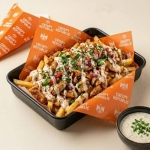

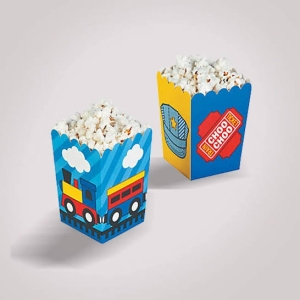
Food service can become messy very quickly. Grease, sauces, crumbs, and spills can make trays and serving areas harder to manage. Restaurants, cafés, food trucks, and takeout businesses all deal with these challenges. Simple solutions, such as paper food tray liners, can help keep serving surfaces cleaner while giving meals a more organized appearance.
Smart packaging is not only about making food look attractive. It should also make food easier to serve, carry, and enjoy. The right packaging can help control grease, reduce spills, and protect food during transport. When businesses choose packaging based on the needs of their menu, they can make everyday food service easier for staff and customers.
Choose Packaging Based on the Food
Different foods create different packaging challenges. A burger may release grease, while a salad may contain dressing. Fried foods can create crumbs, and sauces can spill during transport.
Because of these differences, restaurants should not expect one package to work perfectly for every menu item. Packaging should match the food's size, texture, temperature, and moisture level.
Choosing the right material and container can help reduce problems before they happen.
Pick the Right Package Size
Size is an important part of good packaging. A container that is too large gives food room to move around. This can lead to crushed items, spilled sauces, or food collecting in one corner.
A package that is too small can also cause problems. It may press against the food and damage its appearance.
The best option is usually a package that gives the food enough room without leaving too much empty space.
Control Grease and Crumbs
Fried foods and other greasy items can leave residue on trays and tables. This can make serving areas look untidy and increase cleanup work.
A suitable food-safe liner can create a barrier between the food and serving surface. It can catch small crumbs and some grease while helping keep the tray more presentable.
Businesses should choose materials that are suitable for the foods they serve and follow appropriate food-handling practices.
Reduce Sauce and Liquid Spills
Sauces and liquids are another common source of mess. A container that does not close properly can Blockedword/sentence during handling or delivery.
Restaurants can use secure containers and separate sauce cups when appropriate. This can help keep liquid away from foods that should remain crisp.
Packages should also be tested with actual menu items. A container may look secure when empty but perform differently when filled.
Consider Food Temperature
Temperature can affect both food quality and packaging performance. Blockedword/sentence foods can create steam, while cold foods may produce moisture.
Some foods benefit from ventilation that allows steam to escape. Others may need stronger protection from outside air.
Businesses should consider how long food will stay inside the package. A container that works for quick counter service may need different features for a longer delivery journey.
Make Food Easier to Carry
Customers should be able to carry their meals without worrying about spills. Packaging that is stable and easy to hold can make a big difference.
For takeaway orders, bags should be strong enough for the weight of the food. Boxes should close securely and remain stable when stacked.
The easier a package is to carry, the lower the chance of accidental mess during transport.
Keep Different Foods Separate
Some meals include several foods that should not touch each other. Crispy fries, fresh vegetables, sauces, and desserts may all have different needs.
Separate containers or compartments can help keep these foods in better condition.
This approach can also improve presentation. When each item has its own space, the meal may look more organized when the customer opens the package.
Think About Delivery Movement
Food can move quite a lot during delivery. A driver may stop suddenly, turn a corner, or travel over an uneven road.
Packaging should be able to handle normal movement without opening or collapsing. Restaurants can test this by packing real orders and carrying them through typical delivery conditions.
This type of testing can reveal weak points before customers experience them.
Make Cleanup Easier
Packaging can also affect how much cleaning staff need to do after service.
A good liner can catch crumbs and some food residue, making the serving surface easier to clean. Properly sized containers can also reduce spills on trays and counters.
During busy periods, these small improvements can save staff time and help them focus on other tasks.
Train Employees on Proper Packing
Good packaging only works when employees use it correctly. Staff should understand how much food belongs in each package and where different items should be placed.
They should also know which foods need separate containers, liners, or special handling.
Simple packing guidelines can help different employees prepare orders in a consistent way.
Test Before Ordering in Large Quantities
Restaurants should test packaging before committing to a large order. This is especially important when changing a package that is used for a popular menu item.
Businesses can check how the package handles grease, heat, moisture, movement, and repeated handling.
It is also useful to ask staff for feedback. Employees who pack and serve food every day may notice practical problems that are easy to miss during a quick inspection.
Balance Practicality With Appearance
Packaging should solve problems without making the meal look unattractive. Customers expect their food to arrive clean and organized.
A simple design can create a professional appearance without adding unnecessary elements. The package should support the food rather than distract from it.
Businesses should always balance appearance with food safety, durability, and ease of use.
Conclusion
Smart packaging choices can help restaurants reduce spills, grease, crumbs, and other common food-service problems. The right size, suitable materials, secure containers, and careful food arrangement can make meals easier to serve and transport. Using custom printed food safe paper can also combine practical food protection with a clean and consistent presentation. When packaging is chosen and used thoughtfully, it can make daily service smoother for staff and more enjoyable for customers.